Articles in this Volume

Research Article Open Access
Risk Screening of Premature Heartbeat and Sports Rehabilitation
Due to the increase in the number of early cardiac groups in today's society, there is no complete screening and rehabilitation process for early cardiac groups at the social level. This paper mainly studies the whole process of screening methods and sports rehabilitation methods to improve the quality of life of patients and help the body recover. This article mainly summarizes and reviews the relevant papers in the past and concludes that the screening of early heart disease requires a variety of means of synchronous cooperation. Holter, electrocardiogram, B-ultrasound and exercise electrocardiogram are synchronously coordinated to determine the risk of premature heartbeat. In cooperation with medium- and low-intensity aerobic training and strength training, physical recovery and improvement of heart function. As a relatively common heart disease, the popularization of the perception of the disease should not only be at the doctor's level, but should also make patients correctly recognize the means of rehabilitation and recovery of the disease, so that patients can reduce psychological pressure and face it positively. Having a correct and complete understanding of the disease can also help the body recover.
Show more
Read Article PDF
Cite
Research Article Open Access
Exploring Tactile Resonance Sensors: The Revolutionary Force and Challenges in the Medical Field
Article thumbnail
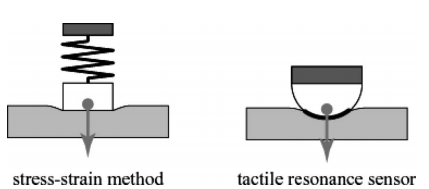
In the past few decades, with the gradual maturation of robotics, especially in medical applications, tactile sensors based on various sensing principles have been developed. A multitude of technical solutions have been employed to design tactile sensors. Notably, microfabrication-based approaches possess several appealing features. Microfabrication technology enables the development of miniature sensors with excellent performance, which exhibit outstanding metrological characteristics, such as high precision, sensitivity, low power consumption, and favorable frequency response. The compact size and superior metrological properties enhance the potential role of tactile sensors in the medical field, particularly tactile resonance sensors (TRS). Its principle involves measuring the frequency shift △f, defined as the difference between the resonance frequency of the freely vibrating sensor and the resonance frequency measured when the sensor encounters an object. Therefore, △ f is related to the acoustic impedance of the object and can be utilized to characterize its material properties. In the medical domain, tactile resonance sensor systems have been developed for various applications, including cancer detection, assessment of human egg fertility, measurement of intraocular pressure, and diagnosis of edema. In this review, we mainly explore the basic principles, major medical applications, technological advancements, and challenges of TRS. TRS shows remarkable potential in medical application. Although innovations in sensor design and materials have expanded its functions, issues such as signal interference, lack of standardization, and insufficient clinical verification still need to be addressed. Overcoming these challenges is essential for realizing the full potential of TRS in improving medical diagnosis and patient care.
Show more
Read Article PDF
Cite
Research Article Open Access
Technological Innovations and Clinical Implementation of Continuous Glucose Monitoring (CGM) Systems
Article thumbnail
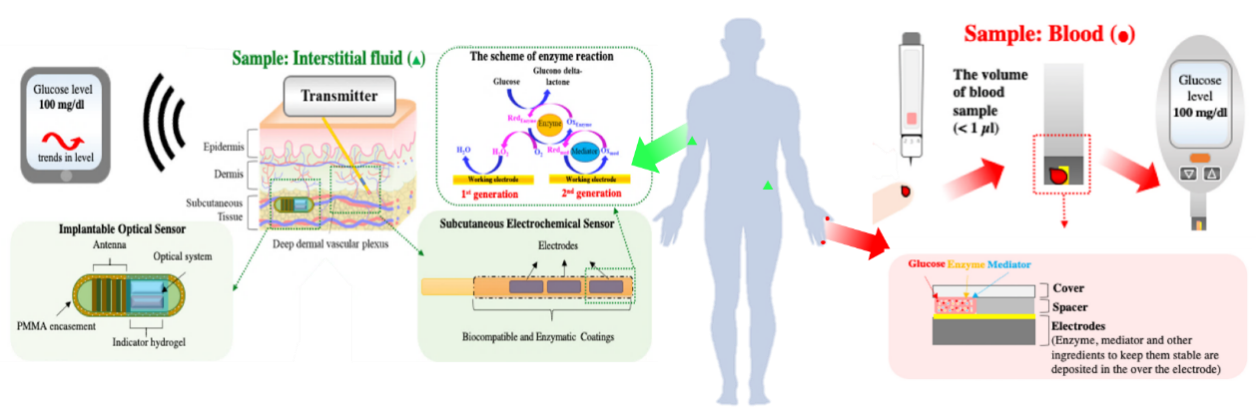
Diabetes is a chronic and incurable metabolic disorder, necessitating rigorous blood glucose management as the cornerstone of effective treatment. Maintaining blood glucose levels within the normal range is critical for mitigating the risk of microvascular complications. Continuous glucose monitoring (CGM) systems represent a transformative advancement in glucose monitoring technology, enabling automated, real-time tracking of glycemic fluctuations by measuring interstitial fluid (ISF) glucose concentrations and converting these readings into blood glucose values.This paper provides a comprehensive overview of the development of CGM systems, reviewing their functional characteristics, target populations, and current technological advancements. Additionally, it examines the clinical evaluation framework for CGM systems and analyzes their application across diverse scenarios. Finally, the study highlights future directions and challenges in CGM technology, offering insights to guide further innovation and optimize clinical implementation.This review aims to serve as a valuable reference for researchers and clinicians in advancing next-generation CGM systems and enhancing their practical utility in diabetes management.
Show more
Read Article PDF
Cite
Research Article Open Access
Progress on the Chemical Basis, Metabolic Regulation Mechanism and Key Genes of the Floral Components of Prunus Mume
Article thumbnail
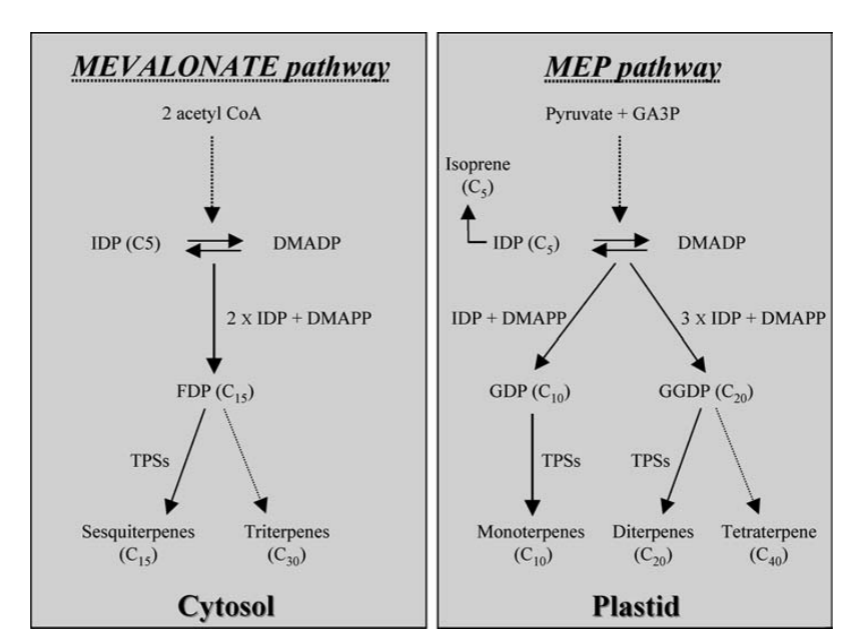
The formation of the unique floral fragrance of Prunus mume, a famous traditional Chinese flower, involves the synergistic effects of volatile organic compounds (VOCs) such as terpenoids, phenylpropanoids and fatty acid derivatives. This paper systematically reviews and synthesizes the latest research progress on the chemical basis of the aroma components of Prunus mume and its metabolic regulation mechanism. In terms of molecular activity, the aroma profile of Prunus mume is jointly determined by the terpenoids synthesized by the methylerythritol 4-phosphate (MEP) and mevalonic acid (MVA) pathways, as well as key components such as phenylethanol and benzyl acetate produced by the phenylpropanoid pathway. Through metabolomics and transcriptomics techniques, existing studies have identified a regulatory network consisting of key enzyme genes such as TPS, PAL, AAT and transcription factors such as PmMYB1 and PmWRKY. It was revealed that jasmonic acid signaling promoted monoterpene synthesis by activating PmDXS gene expression, while low temperature induced PmPAL activity to increase phenylethanol accumulation by 50%. Second, this paper analyzes the challenges in the research of the underlying mechanisms of Prunus mume aroma components, including the lack of in vivo metabolic imaging technology, unclear epigenetic modification mechanisms and other bottlenecks, and the future should focus on the precise editing of CRISPR-Cas12i-mediated metabolic pathways, and the construction of 3D visualization models of petal metabolic microregions, and other directions. Based on the existing research reviews, this paper provides a theoretical basis for the molecular breeding of Prunus mume, and the researchers believe that metabolic engineering is expected to cultivate new varieties of plum blossoms with long-lasting and stable aroma, which will enhance their ornamental value and industrialization potential.
Show more
Read Article PDF
Cite
Research Article Open Access
Research on the Influencing Factors of Heart Disease
Cardiovascular disease, particularly heart disease, remains a predominant contributor to global morbidity and mortality, highlighting the need for a greater understanding of its multifactorial etiology. This study systematically explores the principal determinants associated with heart disease through a comprehensive analysis of demographic, behavioral, and clinical variables. Employing robust statistical methodologies, including multivariate logistic regression and supervised machine learning algorithms, this paper evaluates the relative influence and interaction of variables such as age, sex, blood pressure, serum cholesterol, smoking status, diabetes mellitus, and electrocardiographic abnormalities. The findings underscore the complex interplay between modifiable and non-modifiable risk factors, with age, hypertension, and diabetes emerging as the most significant predictors. These insights not only enhance the current epidemiological understanding of heart disease but also provide an empirical foundation for the development of predictive models and targeted intervention strategies. The study advocates for integrated, data-driven approaches in cardiovascular risk assessment and prevention, while highlighting the critical need for translating these computational insights into actionable clinical decision-support systems that can bridge the gap between risk prediction and personalized patient management.
Show more
Read Article PDF
Cite
Research Article Open Access
A Review of Metformin's Anti-aging Mechanisms
Metformin is a frequently prescribed pharmaceutical for the therapeutic management of type 2 diabetes mellitus. Recent discoveries indicate that metformin possesses potential anti-aging properties, leading to further investigation of the mechanisms behind this action. This research examines the intrinsic processes by which metformin demonstrates its anti-aging effects, based on existing literature and data. The discourse commences with an exploration of the etiology of aging, succeeded by a comprehensive analysis of the fundamental mechanisms that underpin metformin's anti-aging properties. Subsequently, the paper reviews animal experiments related to metformin’s anti-aging properties, categorized into animal models and cellular models. Finally, the paper concludes with a discussion on non-core mechanisms of metformin, clinical trials, and future research directions. Metformin delays the aging process through direct or indirect activation of AMP-activated protein kinase (AMPK), which subsequently modulates multiple longevity-associated pathways. Specifically, it activates sirtuins (SIRTs), inhibits the mammalian target of rapamycin (mTOR) pathway, and suppresses NF-κB signaling. Additionally, metformin enhances the antioxidant response by promoting the activation of the Nrf2 pathway, thereby reducing reactive oxygen species (ROS) accumulation. Furthermore, it contributes to metabolic regulation by inhibiting gluconeogenesis. Together, these mechanisms collectively mediate metformin’s anti-aging effects.
Show more
Read Article PDF
Cite
Research Article Open Access
Unmasking Hidden Disparities: A Comparison of Female Breast Cancer Incidence, Mortality, and Management Strategy in China, the Republic of Korea, and Japan
Article thumbnail
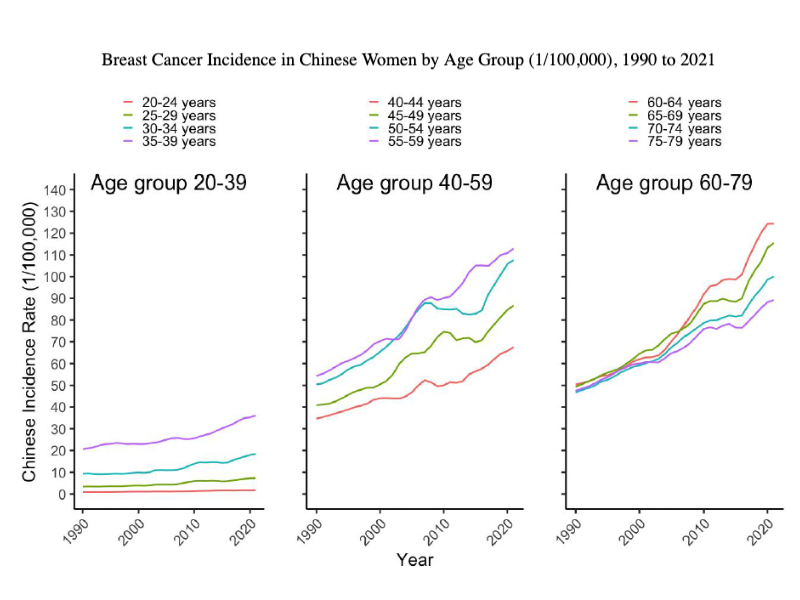
Breast cancer remains the leading cause of cancer-related deaths among women worldwide, with significant variations in incidence and mortality across regions. It is the number one cancer among women in many Asian countries such as China, the Republic of Korea, and Japan. However, most of the articles analysed the data for Asia, especially these three East Asian countries as a whole. To explore whether the data from these three countries can be integrated, this study compared and summarized the similarities and differences in female breast cancer incidence, mortality, screening methods and available treatments between the three countries. We used estimated data from the Global Burden of Diseases (GBD) 2021 to compare the differences in breast cancer incidence and mortality between the three countries from 1990 to 2021. To compare the screening and treatment options, we summarized government and hospital guidelines for breast cancer treatment in countries. We found that the incidence in Japan was higher than China and Korea, and the increase over time has shown varying trends among countries. The mortality in China and Korea is stable, but in Japan older population continues to rise. Different screening and diagnostic methods available in each country may be related to the differences in breast cancer incidence and mortality. The study showed that there are similarities and differences in female breast cancer incidence and mortality as well as management strategies in these three countries. We would recommend future studies to evaluate these differences before conducting a pooled analysis in female breast cancer.
Show more
Read Article PDF
Cite
Research Article Open Access
Effects of Cold Acclimation on Human Physical Fitness in Cold Environment
The systematic impact of cold environments on human physiological functions has become a significant research area in sports medicine and physiology. As exposure to cold increases, the body’s nerve conduction rate decreases, affecting muscle contraction efficiency. These physiological changes can directly impair motor coordination and reduce muscle explosive power output. Additionally, in cold environments, the body’s core temperature drops, leading to cognitive decline, fainting, and even death as the core temperature continues to drop. However, cold acclimation serves as an adaptive mechanism that can effectively enhance the body’s tolerance to cold environments, thereby improving physical fitness levels. This article primarily discusses the role of cold acclimation in enhancing human physical fitness. It concludes that the formation of cold acclimation not only has a significant impact on the health intervention of type 2 diabetes patients at the genetic level but also affects body composition, cardiorespiratory endurance, muscle strength, and muscle endurance. Furthermore, it promotes changes in the autonomic nervous system, thereby reducing the harm caused by cold stress.
Show more
Read Article PDF
Cite
Research Article Open Access
Microorganisms as Vehicles for Targeted Drug Delivery: Applications and Prospects
Article thumbnail
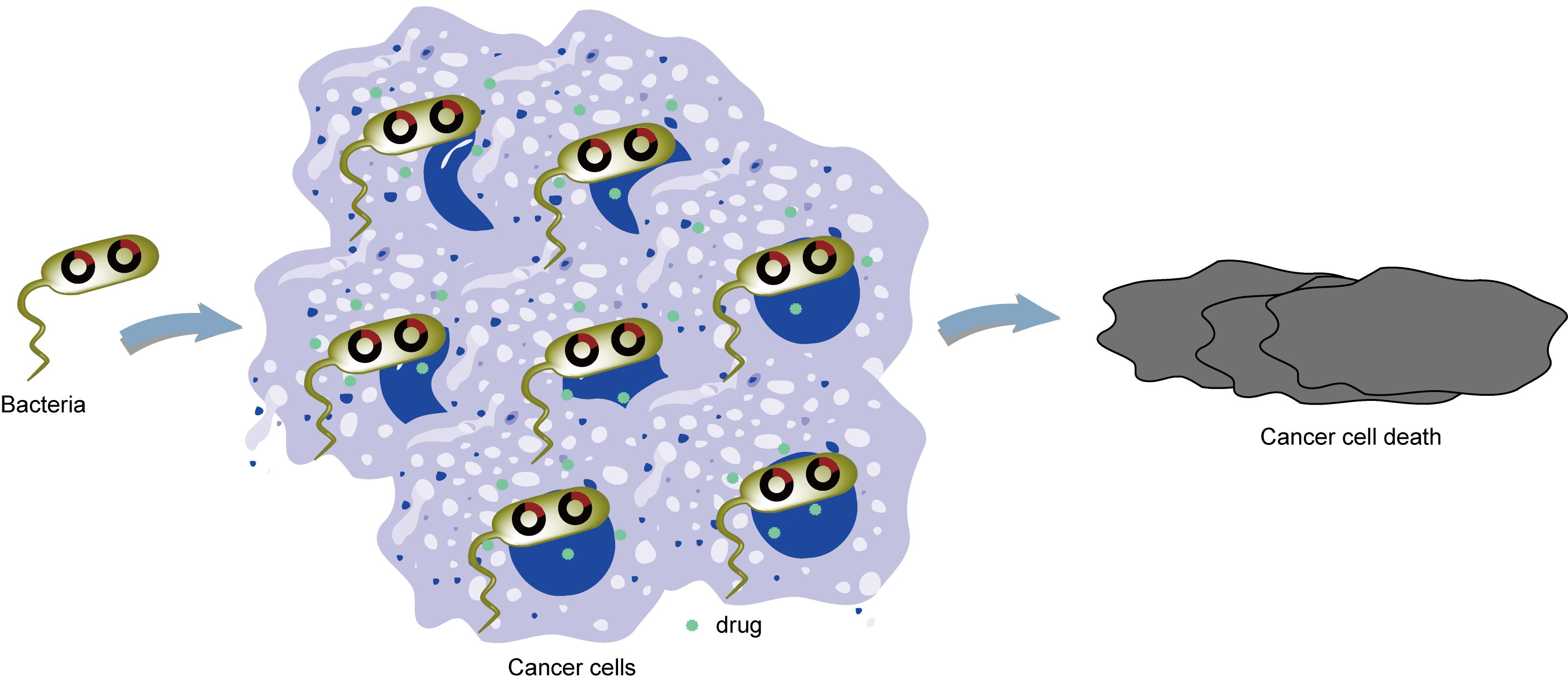
Microbial-targeted drug delivery systems represent an emerging and rapidly developing therapeutic strategy, garnering widespread attention for their potential. By utilizing engineered microorganisms—such as probiotics, Escherichia coli, and bacteriophages—as drug carriers, these systems enable precise, targeted drug delivery and controlled release, particularly in the treatment of tumors, autoimmune diseases, and inflammatory conditions. Microorganisms offer distinct advantages by navigating complex physiological and pathological environments through their inherent chemotaxis, metabolic adaptability, and responsiveness to specific lesions, thus significantly enhancing drug efficacy while minimizing side effects on healthy tissues . This review explores the latest advancements in microbial-targeted drug delivery systems, highlighting key technologies such as microbial engineering, metabolic pathway reconstruction, cell surface modification, and microbial targeting optimization. Additionally, we address the challenges these systems face in clinical application, including biosafety concerns, drug delivery efficiency, and regulatory and ethical issues. With ongoing innovations in engineering microbiology, microbial-targeted drug delivery systems hold promise for achieving more precise and effective treatments in the future.
Show more
Read Article PDF
Cite
Research Article Open Access
Glycemic Management Strategies and Cardiovascular Event Risk in Elderly Patients with Diabetes and Cardiovascular Disease
This study employed a retrospective analysis combined with a prospective cohort design involving 480 elderly patients with diabetes and cardiovascular disease, followed over 18 months. It systematically evaluated the impact of insulin, GLP-1 receptor agonists, SGLT-2 inhibitors, and traditional oral hypoglycemic agents on cardiovascular event risk. Results showed that SGLT-2 inhibitors reduced cardiovascular event risk by 47% (HR=0.53, 95% CI 0.31–0.91, P<0.01). GLP-1 receptor agonists demonstrated dose-dependent cardioprotective effects (event rate of 11.2% in the 1.0 mg/week semaglutide group vs. 16.8% in the 0.5 mg/week group, P<0.05). While intensive insulin therapy reduced HbA1c to 7.6%, a linear association was observed between hypoglycemia and cardiovascular risk (each additional hypoglycemic event increased risk by 37%, P<0.01). The study emphasizes the need to stratify drug selection based on cardiovascular phenotypes (heart failure/coronary artery disease/stroke) and proposes a three-dimensional management framework integrating “glycemic variability–inflammation–myocardial metabolism,” offering evidence-based support for precise clinical treatment.
Show more
Read Article PDF
Cite