Articles in this Volume

Research Article Open Access
Lung cancer drug development: From traditional chemotherapy to targeted and immunotherapies
Lung cancer remains one of the deadliest types of cancer in the world, with the number of deaths due to lung cancer increasing dramatically year after year. In the same period, the approach to the treatment of lung cancer has changed dramatically over the past few decades, from systemic chemotherapeutic drugs-platinum-based drugs in the beginning to a wide range of newer therapeutic approaches such as targeted therapies and immunotherapies at the present time. This article reviews the development of drug therapy for lung cancer. By comparing the differences in mechanism of action and clinical side effects between traditional chemotherapeutic drugs and targeted drugs, we aim to highlight the importance of the development of new targeted drugs and new therapeutic means. In addition, the article also analyses the development and achievements of novel drugs targeting NSCLC with MET-14 exon mutations, and looks into the possible future therapeutic strategies, but there are some research gaps in combination therapy. Through an analysis of the development of lung cancer drugs, this paper aims to provide a more comprehensive perspective to provide guidance for the development and treatment of lung cancer drugs in the future, but there are still a lot of different efficacies brought about by the combination of drugs that have not been resolved, and future research can focus on the direction of the combination of therapies.
Show more
Read Article PDF
Cite
Research Article Open Access
Exploring the antipyretic and anti-inflammatory mechanisms of Bai-Hu-Tang
Article thumbnail
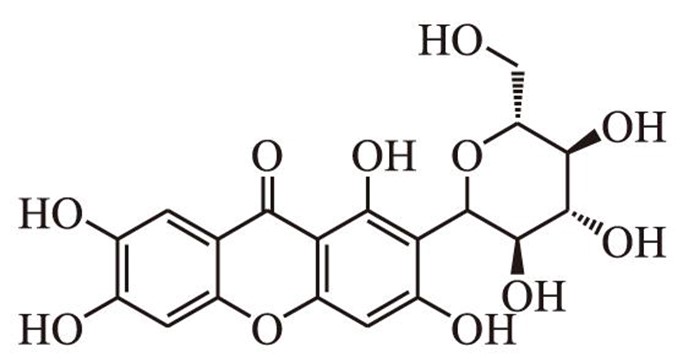
Bai-Hu-Tang (BHT), derived from the Treatise on Cold Damage, is a classic traditional Chinese medicine formula mainly used to treat fever symptoms caused by excessive heat in the Qi component. Modern medical research has shown that BHT has significant antipyretic effects and can inhibit inflammatory reactions. However, the antipyretic substance basis and mechanism of action of BHT are not fully understood. Although studies have revealed its inhibitory effect on inflammatory factors, there is still a lack of in-depth understanding of its molecular level regulatory mechanisms. This article explores the effects of BHT on antipyretic and anti-inflammatory signaling pathways through modern pharmacological methods. This article specifically analyzes the specific effects of the active ingredients of the main drugs in BHT formula on the relevant signaling pathways of antipyretic and anti-inflammatory effects, and systematically explains the antipyretic and anti-inflammatory mechanisms of BHT with multiple pathways and targets. This study not only provides scientific basis for the clinical application of BHT, but also provides reference for future research. However, further research is needed on the interaction between multiple components in BHT and their regulatory effects under different pathological conditions. Future research can focus on the efficacy evaluation of BHT in different inflammation models, as well as its impact on immune cell function, in order to provide more scientific support for the modernization and internationalization of traditional Chinese medicine.
Show more
Read Article PDF
Cite
Research Article Open Access
Analyzing single-cell transcriptome sequencing data reveals immunological mechanisms of microglia-associated diseases
Article thumbnail
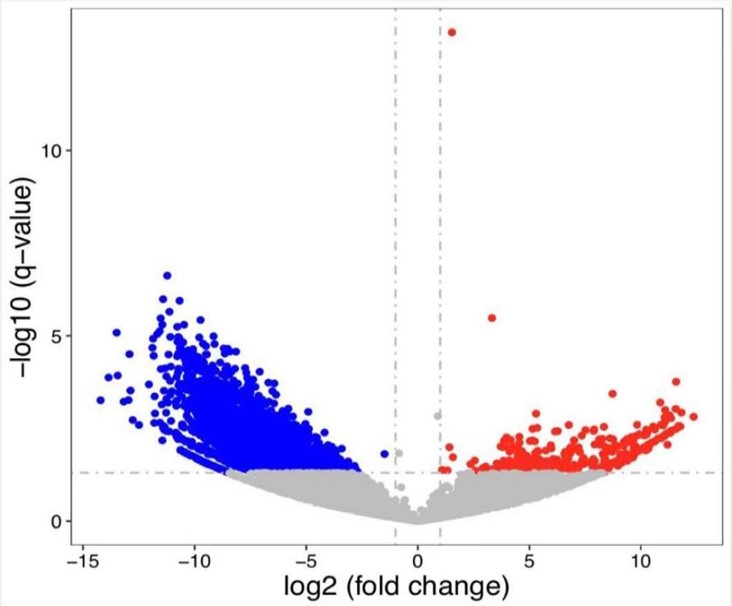
In recent years, researchers have increasingly focused on the role of microglia in various neurological disorders, such as multiple sclerosis (MS). The single-cell transcriptome sequencing technology has provided new opportunities to unravel the roles and immunological mechanisms of microglia in a variety of neurological diseases. In this paper, the author explored the mechanisms of microglia in diseases of central nervous system, such as MS by analyzing single-cell transcriptome sequencing data with R. The authors investigated the regulation of microglia activation by signaling pathways, the role of microglia in the pathogenesis of brain dysfunction. Data analysis by single-cell transcriptome sequencing provides new perspectives and understanding of the pathophysiology of related diseases, and new ideas and strategies for their treatment and prevention.
Show more
Read Article PDF
Cite
Research Article Open Access
B cells abnormalities in asthma
Asthma is a chronic inflammation in the respiratory tract, which is an abnormal immune response of type I allergic reaction with elevated IgE levels. The abnormality of B cell contributing to asthma development has not been elucidated completely. Recently, data from different research groups showed that both CD27+CD38+ plasmablasts and CD24hiCD38hi transitional B cells are capable to induce the production of IgE antibody. In contrast, Bregs is crucial for inhibiting type 2 inflammation through secreting cytokines IL-10 in asthma patients of both children and adults. With the advancement of high-throughput sequencing and analysis technology in recent years, there has been further displaying of the association between B subgroups and asthma besides Breg and plasmablast subsets. This article briefly summarized the pathogenesis and pathological progression of Breg cells in animal models and patients of asthma, with a particular focus on high-throughput sequencing revealing new mechanisms and diagnostic
Show more
Read Article PDF
Cite
Research Article Open Access
Analysis of gastric cancer medication by exploring fluorouracil drugs
Gastric cancer (GC), as one of the most important types of cancer with a very high incidence rate in China, is in urgent need of treatment. China has made certain progress, such as the widespread use of fluorouracil and other drugs in the treatment of gastric cancer, as well as the use of various treatment methods such as surgery and chemotherapy. This article aims to explore the efficacy of fluorouracil drugs in the treatment of gastric cancer and their combined application with other drugs. By analyzing the correlation between peripheral blood platelet levels and the efficacy of oxaliplatin combined with fluorouracil chemotherapy in gastric cancer patients, as well as the effects of two chemotherapy regimens, docetaxel combined with oxaliplatin, tigio and docetaxel combined with cisplatin and fluorouracil, on advanced gastric cancer, it was found that fluorouracil drugs, as cell cycle inhibitors, have an inhibitory effect on cell division and have a significant effect in the treatment of gastric cancer. Future research can further deepen the combined application of fluorouracil drugs with other drugs to reduce complications and improve treatment effectiveness. It is suggested that future research should focus on in-depth exploration of targeted drug delivery, combined with new biotechnology, to improve the efficiency and accuracy of gastric cancer treatment.
Show more
Read Article PDF
Cite
Research Article Open Access
EZH2: A breakthrough in cancer treatment
As one of the hot topics in cancer research, the role of EZH2 in cancer physiology has received extensive attention in recent years, and related research has become increasingly complex and in-depth. EZH2 not only regulates gene silencing through histone methylation, but also participates in tumorigenesis through other mechanisms, such as regulating cancer cell metabolism and inhibiting tumor suppressor genes. However, the EZH2 inhibitors developed in the early stage have problems such as nonspecificity, physiological toxicity and drug resistance. Therefore, the current focus of drug research and development is to improve efficiency, reduce toxicity, and seek higher specificity. This article deeply explores the mechanism of EZH2 and neuroblastoma, breast cancer bone metastasis and prostate cancer, and introduces the three development focuses of EZH2 therapeutic drugs and the therapeutic mechanism of representative drugs. In summary, it is pointed out that although EZH2 has attracted much attention in cancer research, there are still few therapeutic drugs on the market, and more drugs are still in the clinical trial stage. Future drug research and development should focus on improving specificity, safety and efficacy, and combine multiple treatment methods to better utilize EZH2 as a breakthrough in cancer treatment.
Show more
Read Article PDF
Cite
Research Article Open Access
Analyses based on the function of false thumb in animals possessing false thumbs
Article thumbnail
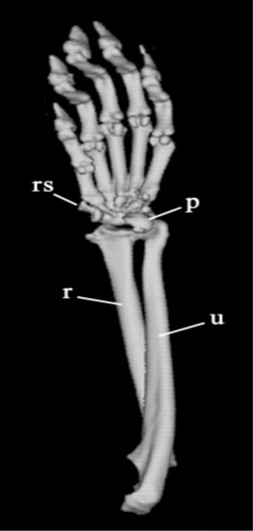
Throughout history, changes in climate in their living environments have led some animals to evolve a mysterious and fascinating structure, such as a false thumb. It evolved from radial sesamoid bone. It possesses functions such as grasping, deafferentation, and weight bearing. The possession of a false thumb is one of the most conspicuous cases of convergence in vertebrates. This study analyses the function as well as the morphology of the false thumbs of six animals with false thumbs. Giant panda (Ailuropoda melanoleuca), red panda (Ailurus fulgens), mole, aye-aye (Daubentonia madagascariensis) and spectacled bear (Tremarctos ornatus) separately. And based on the Darwinian theory of evolution, there are conjectures about the mechanism behind the creation of this false thumb phenomenon. An explanation of why all these animals with false thumbs chose to evolve radial seed bones instead of modifying their existing fingers is given from a philosophical as well as a Darwinian evolutionary perspective.
Show more
Read Article PDF
Cite
Research Article Open Access
Controlled Study of Tanito Microhook (TMH) ab interno trabeculotomy combined with phacoemulsification for POAG/ PACG
To evaluate the efficacy of Tanito Microhook (TMH) ab interno trabeculotomy combinated with phacoemulsification in treating primary open-angle glaucoma (POAG) and primary angle-closure glaucoma (PACG). A retrospective comparative study was conducted to analyze 16 patients with primary open-angle glaucoma (POAG) who underwent phacoemulsification and TMH at the Second People's Hospital of Changshu from December 2021 to December 2022, along with 19 patients with primary angle-closure glaucoma (PACG) who underwent phacoemulsification, goniosynechialysis, and TMH. The follow-up period ranged from 12 to 24 months. The average preoperative IOP in the POAG group was (26.50±4.52) mmHg, and the average IOP was (18.00±1.67) mmHg at 12 months postoperatively, which was significantly lower than the preoperative value (P<0.05). The average preoperative IOP in the PACG group was (34.11±14.90) mmHg, and the average IOP was (18.67±0.87) mmHg at 12 months postoperatively, which was lower than the preoperative value (P<0.05). The average number of anti-glaucoma drugs used by the POAG group before surgery was (2.06±0.21) types, and the average number of types was (0.18±0.10) at 12 months postoperatively, which was significantly reduced compared with the preoperative value (P<0.05). The PACG group used an average of (1.89±0.15) kinds of anti-glaucoma drugs preoperatively, (0.68±0.17) kinds of drugs postoperatively, and the difference in the number of drugs used between preoperative and postoperative periods was not statistically significant (P>0.05). The complete success rate of the POAG group was 81.3% (13/16), and the conditional success rate was 18.7% (3/16). The complete success rate of the PACG group was 47.4% (9/19), and the conditional success rate was 52.6% (10/19). The intraoperative and postoperative complications in the POAG group mainly included one case of hyphema in the anterior chamber and one case of transient intraocular pressure elevation, while the intraoperative and postoperative complications in the PACG group included one case of shallow anterior chamber after surgery, four cases of hyphema in the anterior chamber, and three cases of transient intraocular pressure elevation. No serious complications occurred in either group. The combination of TMH with cataract phacoemulsification and intraocular lens implantation demonstrates a safe and effective approach for treating POAG. Additionally, when combined with goniosynechialysis (GSL), it may be a safe and effective treatment for PACG. However, the long-term efficacy still requires further investigation through large-scale prospective controlled studies.
Show more
Read Article PDF
Cite
Research Article Open Access
The application and prospect of green chemistry in pharmaceutical field
As the global environmental problem gets worse and worse, green chemistry as a sustainable theory and method gets more attention than before. This paper talks about green chemistry in the pharmaceutical industry. Initiate the discussion by introducing green chemistry and its twelve principles, highlighting the methods and technologies of green synthesis. Next, the research will discuss the environmental challenges that the pharmaceutical industry faces, the detrimental effects of traditional processes on the environment, and the analysis required to transition to a greener approach. Next, it delves into the two aspects of green chemistry’s application in the pharmaceutical field: green synthetic drugs, green solvents, and green catalysts. Next, it presents a summary of the advancements and future potential of green chemistry technology. Finally, the paper found that using the principle of atom economy properly can minimise the generation of by-products and reduce the after-treatment cost. What’s more, the solvent, which always took up a large amount of total mass, used a lot of resources but resulted in a lower conversion rate.
Show more
Read Article PDF
Cite
Research Article Open Access
EEG and brain network analysis in the early diagnosis of Alzheimer's disease
Article thumbnail
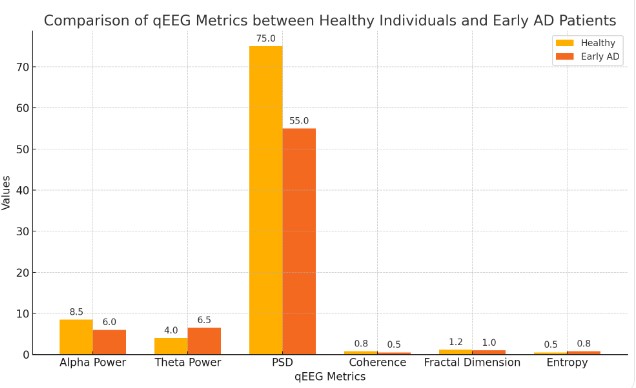
The early diagnosis of Alzheimer’s Disease (AD) is critical for effective intervention and improved patient outcomes. This paper explores the role of electroencephalography (EEG) and brain network analysis in the early detection of AD, with a particular focus on neurofeedback training as a therapeutic intervention. We review the characteristic changes in EEG signals, such as decreased alpha power and increased theta power, and their implications for identifying early cognitive decline. Functional connectivity analysis using coherence and phase synchronization methods reveals disruptions in key brain networks, providing valuable biomarkers for early AD. We also discuss quantitative EEG (qEEG) techniques, including power spectral density and fractal dimension, which enhance diagnostic accuracy. Additionally, mathematical models like the Kuramoto model offer insights into network dynamics and predict disease progression. Integrating EEG with other diagnostic tools, such as MRI and PET, creates a comprehensive multimodal approach. This integrative framework enhances early diagnosis and informs personalized treatment strategies, representing a significant advancement in the field of AD research and clinical practice.
Show more
Read Article PDF
Cite