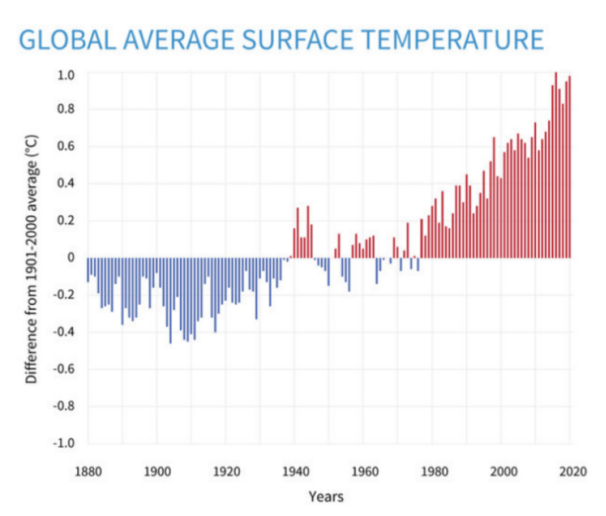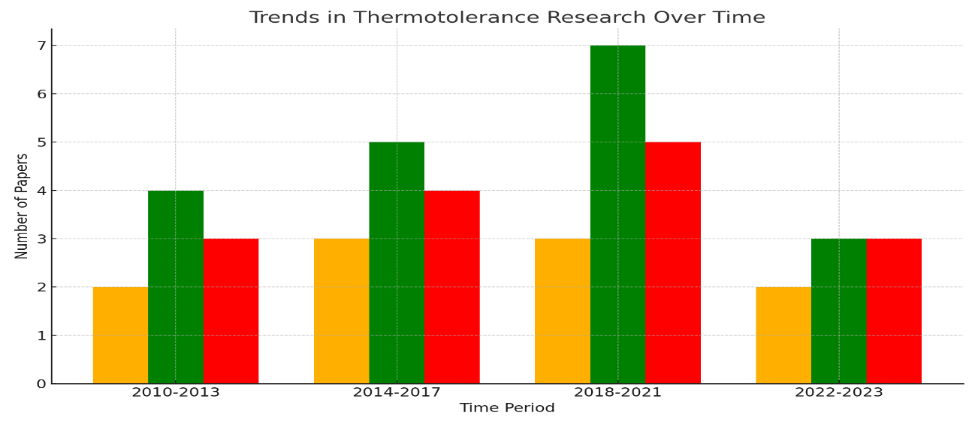
Global warming has significantly altered ecosystems, especially in isolated islands and nearby coastal biomes, where organisms face increased thermal stress and climatic disturbances. These distinctive ecological systems serve as natural laboratories for examining the evolutionary responses of organisms to increased temperatures. This research undertakes a comparative analysis of paleontological evidence and extant species within island ecosystems to elucidate genomic divergences and their evolutionary trajectories, further elucidating the mechanisms underlying thermotolerance adaptation. This study rigorously investigates the roles of natural selection and adaptive mechanisms in enhancing thermotolerance among organisms by integrating palaeobiological datasets and molecular genomic analyses. The review consolidates findings in three primary areas: reconstructing paleoclimatic thermal environments from fossil records, elucidating the physiological and molecular mechanisms of thermotolerance in extant taxa, and assessing climate change as a selective pressure in adaptive evolution. This study consolidates evidence from various perspectives to elucidate the impacts of global warming on evolutionary trajectories and underscores the substantial ecological ramifications of climate-induced selective pressures.