Articles in this Volume

Research Article Open Access
Research on Oral Problems and Health Care Methods in Children
This article aims to explore the current situation, causes, and effective healthcare methods for children's oral problems. By analyzing the data from the Fourth National Oral Health Epidemiological Survey and combining it with clinical practice, this article elaborates in detail on the prevalence and harm of oral problems such as dental caries, periodontal disease, and abnormal tooth development in children. At the same time, this article also proposes specific measures for children's oral health care, including reasonable nutrition, strengthening oral hygiene, correcting bad habits, and regular oral examinations. Through the research in this article, the results show that there are many reasons for the formation of oral problems in children. Through the joint attention of parents and children to oral problems, effective intervention and treatment under the guidance of dentists can promote children's oral health together.
Show more
Read Article PDF
Cite
Research Article Open Access
Research Progress on Effects of Environmental Pollution on Animal Genetic Diversity
The negative impacts of environmental pollution on animal genetic diversity are the main topic of the research report. Since the Industrial Revolution, industrial activity has increased, and environmental pollution has become a major worldwide concern. The three primary issues examined in this research are the direct effects of chemical pollutants on genetic integrity, habitat fragmentation that reduces gene flow, and climate change as a pollution-driven danger to genetic diversity. The study uses a mixed-method approach, using data from genetic studies and a literature review on the effects of pollutants on DNA. Information is taken from a number of studies on pesticide resistance, evolutionary toxicity, and how species are affected by climate change. According to the study's findings, environmental contamination is drastically lowering animal populations' genetic diversity. These problems are made worse by climate change, which increases species vulnerability and causes genetic loss.
Show more
Read Article PDF
Cite
Research Article Open Access
Global Epidemiology of Hypertension: Risk Factors, Public Health Implications, and Strategies for Prevention
Hypertension, recognized as a leading cardiovascular ailment globally, has garnered increasing concern and scrutiny within the medical community. Data from 2010 indicates that 31.1% of the global adult population is afflicted with hypertension, signifying a substantial proportion of individuals grappling with this cardiovascular condition. The pervasive issue of hypertension warrants heightened awareness and targeted preventative measures to curtail its prevalence and associated health implications. This review is structured into six sections: introduction to hypertension, epidemiological characteristics, risk factors, effect, prevention and control strategies, and conclusions. By reviewing the current literature, this paper contributes to the ongoing discourse on hypertension and outlines areas for further investigation in public health research.
Show more
Read Article PDF
Cite
Research Article Open Access
Comparison of Enzyme-Linked Immunosorbent Assay (ELISA) and Colloidal Gold Immunochromatographic Assay (GICA) for Tetracycline Detection
Article thumbnail
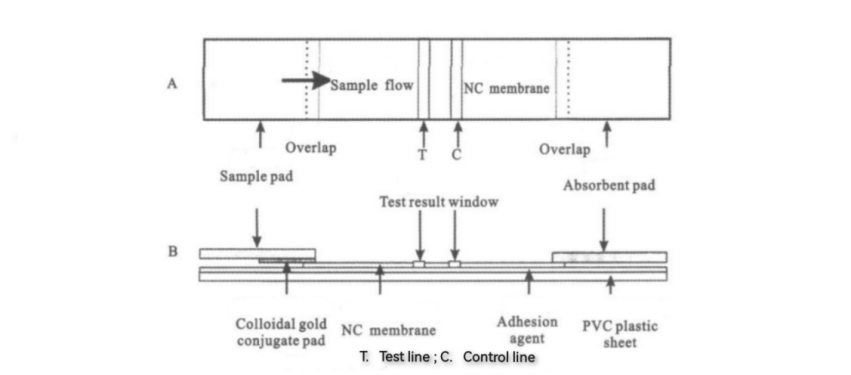
The rising use of tetracycline in China is leading to increased environmental pollution, highlighting the need for rapid, simple, and sensitive detection methods for monitoring. This study addresses the urgent requirement to track tetracycline contamination, which threatens ecological systems and human health. It specifically compares the effectiveness of two rapid detection methods: Enzyme-Linked Immunosorbent Assay (ELISA) and Colloidal Gold Immunochromatographic Assay (GICA), focusing on sensitivity, specificity, and field practicality. The methodology involves systematically comparing ELISA and GICA by assessing detection limits, linear ranges, and operational complexities through environmental water samples. Statistical analyses will evaluate the reliability and accuracy of each method, offering insights into their applicability for monitoring tetracycline pollution. This research aims to enhance strategies for environmental monitoring and pollution control concerning antibiotic residues. ELISA and GICA are rapid detection methods based on antigen-antibody binding; ELISA provides high sensitivity and specificity but involves complex procedures, while GICA offers ease of interpretation, reagent stability, and portability, albeit with a broader linear range and lower detection limit.
Show more
Read Article PDF
Cite
Research Article Open Access
Effect of MicroRNA on Tumor Microenvironment During Bone Metastasis in Breast Cancer
One of the most prevalent types of cancer worldwide is breast cancer (BC), with hundreds of thousands of women dying from BC each year. Among them, bone metastasis which occurs frequently in the advanced stage of BC is the main cause of death in BC patients, and MicroRNA is involved in this process and significantly changes the tumor micro environment (TME). In current clinical treatments, some therapies are used to inhibit bone metastasis in BC, and it has been proposed that microRNA is crucial to the development of BC. However, these studies can only improve the patients' quality of life or detect the period of BC, lack of practical therapeutic significance. In this paper, TME in BC bone metastasis is analyzed to explore the relationship between microRNA and BC, and to obtain MicroRNA's function in altering TME during BC bone metastasis. This provides a new idea and reference for controlling the phenotype and symptoms of BC by regulating the expression level of Micro RNA in the future, but there is no effective method to accurately deliver Micro RNA to the human body, and future research can focus on this region.
Show more
Read Article PDF
Cite
Research Article Open Access
Function of circRNA in Ovarian Cancer and As a Potential Therapeutic Target
As a common malignant tumor of female reproductive system, ovarian cancer has a high morbidity and mortality, and most patients have reached the advanced stage when diagnosed. In recent years, circular RNA (circRNA) has attracted much attention in ovarian cancer research due to its unique structural and functional properties. This study focused on the expression profile, function (covering cell proliferation, apoptosis, migration, invasion, drug resistance, etc.) and regulatory molecular mechanisms (including and.) of circRNA in ovarian cancer miRNA, protein interactions, and regulation of gene transcription) and prospects as potential therapeutic targets (such as interfering expression, enhancing function, combination therapy and other strategies and advantages). Through high-throughput sequencing, bioinformatics analysis and a variety of experimental verification methods, the role of ovarian cancer in the occurrence and development of ovarian cancer is deeply explored, aiming to provide a basis for the analysis of the pathogenesis of ovarian cancer, and to develop a new direction for the development of novel treatment strategies and improve the prognosis of patients.
Show more
Read Article PDF
Cite
Research Article Open Access
Role and Challenges of Adoptive Cell Therapy Based on Tumor Infiltrating Lymphocytes in Triple-negative Breast Cancer
Adoptive cell therapy (ACT) based on tumor infiltrating lymphocytes (TILs) is a key branch of tumor immunotherapy. Currently, it has been very effective in the diagnosis and treatment of melanoma and has also shown great potential in the diagnosis and treatment of other solid tumors. This article focuses on the application of this therapy in the diagnosis and treatment of triple-negative breast cancer (TNBC). In the diagnosis and treatment of TNBC, there is a problem of immune escape of tumor cells caused by TEX, which seriously affects the treatment effect and requires in-depth analysis. At the same time, TILs in the tumor immune microenvironment (TIME) are related to the direction of treatment. This article takes the immune escape mechanism of T cell exhaustion (TEX) as an entry point to analyze the clinical progress and challenges of TILs-based ACT in the diagnosis and treatment of TNBC, which is of great significance. The research results found that ACT based on TILs has shown the potential to significantly improve TIME and enhance immune function in the treatment of TNBC, find a way to optimize the TNBC diagnosis and treatment plan, cleverly integrate ACT with traditional diagnosis and treatment methods, and enhance the effectiveness and safety of the diagnosis and treatment plan.
Show more
Read Article PDF
Cite
Research Article Open Access
Progress of SPP1 Involved in Tumor Immune Escape in Lung Cancer
SPP1 (Secreted Phosphoprotein 1), alternatively named Osteopontin (OPN), is a multifunctional secreted glycoprotein capable of binding with integrins that promotes tumor cells to evade the surveillance and attack of the immune system by influencing infiltration of immune cells, function, and pathways in the tumor microenvironment (TME). However, the specific mechanism has not yet been clearly expressed. Based on the function of SPP1 in the TME and the changes in the formation of the lung cancer (LC) TME, this study delves into the mechanism of the high expression of SPP1 in LC tumors, and potential LC therapeutic options targeting SPP1 in the future. Therefore, the research theme of this paper is the progress of SPP1 involved in the immune escape of LC tumors. The data collection and organization enabled profound discussions on the factors that activate SPP1 to help tumor cells for immune escape, how SPP1 regulates the TME for immune escape, and the prospect of SPP1-targeted therapy. SPP1 may become a potential target for immunotherapy of LC, which can be directed to inhibit the expansion of LC cells through the preparation of monoclonal antibodies and other means.
Show more
Read Article PDF
Cite
Research Article Open Access
The Analysis of Remote Vital Signs and Health Condition Monitoring by Integrating Wearable Medical Devices and Mobile Phones
In recent years, the number of patients with chronic diseases has been steadily increasing. Among these conditions, some require real-time monitoring systems to track vital signs and ensure timely interventions in critical situations. However, many patients with chronic diseases are elderly and may live alone, making it difficult for them to receive immediate medical attention. This delay has resulted in numerous families losing their loved ones. Since 2020, wearable medical monitoring devices have experienced rapid development. These devices provide an effective solution for remotely monitoring patients while alleviating the burden on healthcare systems. This study reviews authoritative reports, surveys, and research articles to first explore various sensors used for monitoring vital signs, as well as data processing architectures and transmission methods, including their integration with smartphones. By utilizing wearable remote medical monitoring devices, the response time for patients to receive medical assistance in emergencies can be significantly reduced. Furthermore, these devices can also provide timely intervention during unexpected medical incidents in daily life, helping to prevent tragedies. However, analysis reveals that further optimization is needed for both the sensors themselves and the overall system. In particular, there is a need for in-depth research into optimizing algorithm architectures to balance real-time responsiveness and energy efficiency in data transmission. Additionally, the large-scale application of these devices in societal and clinical settings remains insufficient, requiring further experimental efforts to address these challenges.
Show more
Read Article PDF
Cite
Research Article Open Access
The Molecular Evolution Mechanisms of SARS-CoV-2 Variants and Their Impact on Vaccine Development
The COVID-19 pandemic, caused by the SARS-CoV-2 virus, has been characterized by the rapid emergence of new variants with enhanced transmissibility and immune escape capabilities. This review explores the molecular evolution mechanisms of SARS-CoV-2, focusing on the sources and mechanisms of viral mutations, the molecular characteristics of different variants, and the key drivers of viral evolution. The challenges posed by antigenic drift and immune escape in vaccine development are discussed, along with an evaluation of existing vaccine efficacy against variants such as Alpha, Delta, and Omicron. The technical barriers in developing variant-specific vaccines are also addressed. Looking towards the future, the development of broad-spectrum vaccines that target conserved regions of the virus and elicit cross-protective immune responses is identified as a crucial strategy. The importance of advanced monitoring and prediction systems, powered by big data and deep learning, in tracking the evolution of SARS-CoV-2 and enabling proactive updates to vaccine formulations is highlighted. Global collaboration and equitable vaccine distribution are emphasized as essential pillars of effective pandemic control. In conclusion, the ongoing challenges posed by SARS-CoV-2 evolution underscore the need for innovation, collaboration, and adaptability in vaccine development and pandemic response strategies. By investing in broad-spectrum vaccine research, advanced surveillance systems, and equitable global health initiatives, we can work towards overcoming the current pandemic and strengthening our preparedness for future infectious disease threats.
Show more
Read Article PDF
Cite