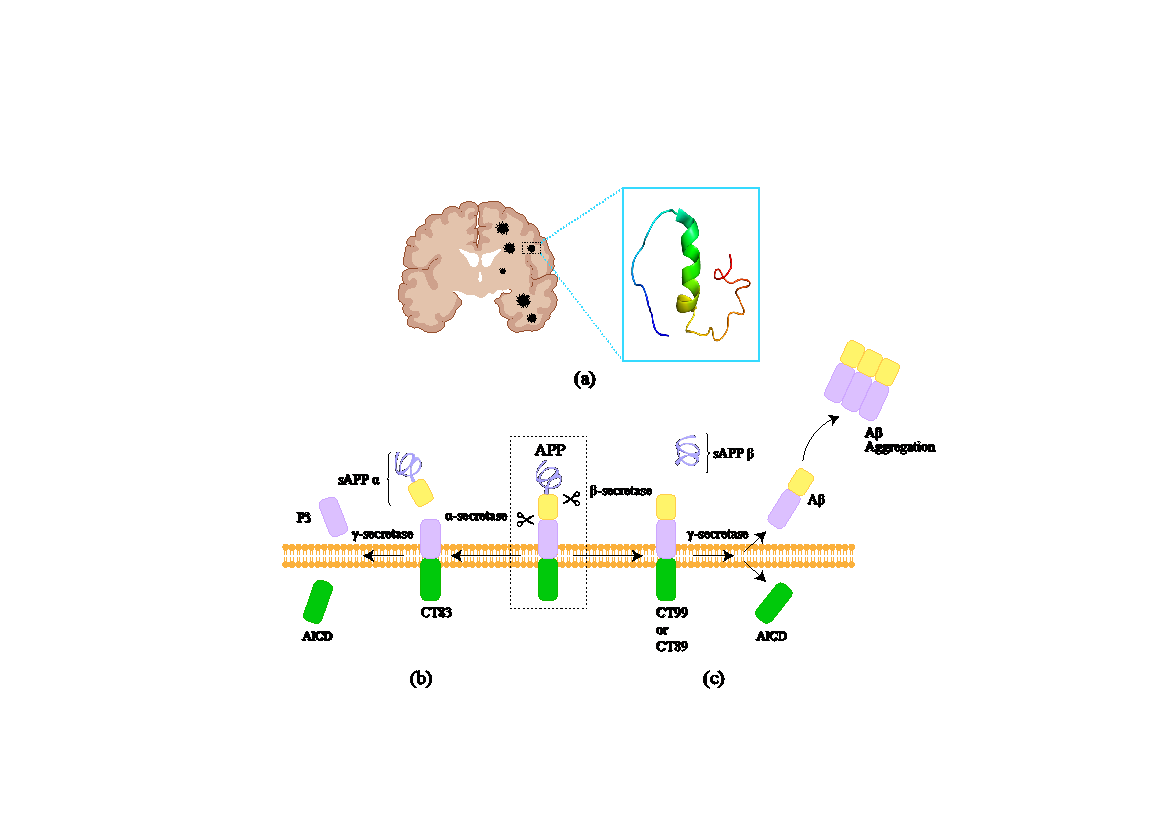
Alzheimer's disease (AD), a brain disorder marked by memory loss and cognitive decline, is pathologically characterized by amyloid-beta (Aβ) plaques and tau neurofibrillary tangles. Recent studies link AD to endoplasmic reticulum (ER) stress from misfolded proteins buildup. This review explores molecular mechanisms of ER stress in AD, focusing on how persistent ER stress exacerbates Aβ and tau pathologies and contributes to neuroinflammation, mitochondrial dysfunction, and autophagy disorder. Additionally, the review examines the viral hypothesis of AD, highlighting how certain viral infections, particularly Zika virus, may accelerate AD progression through the ER stress pathway. These insights enhance understanding of AD pathogenesis and potential therapeutic strategies targeting ER stress and viral factors.