Articles in this Volume

Research Article Open Access
Immunotherapy of cancer: CAR-T and PD-1 and/PD-L1
Article thumbnail
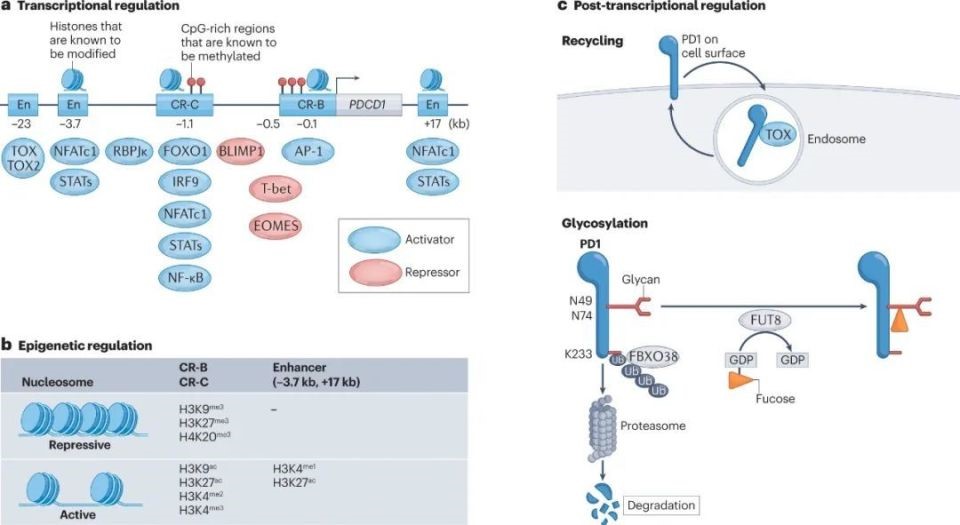
Gastric cancer, one of the lethal cancer, accounts for quantities of death in recent years. This article discusses the application of in the treatment of cancer by immunotherapy, including its advantages, shortcomings and prospects. In detail, two types of strategies. PD-1/PD-L1, as a pathway of immune checkpoint, could maintain the immune response under a physiological standard. While, for cancer cells, they evolve to utilize this mechanism to escape from immune response. So, by interfering with the PD-1 involved immune checkpoint, the T cell proliferation could be stimulated to prevent immune evasion. Chimeric antigen receptor T-cell (CAR-T), another immunotherapy, making the goal of precision cancer treatment by engineering human T-cells to specifically target and remove tumour cells. If CAR acts as an artificial receptor, it can discover and capture disease-causing proteins against cancer cells, based on the activation of the host immune system. Low specificity and low drug resistance are challenges for the application of both therapies, but new advances have been made, such as combining immunotherapy with other approaches and CAR-T-based dual antigen therapy.
Show more
Read Article PDF
Cite
Research Article Open Access
Overview of Retroviral Transduction of HSV-TK Gene in the Gene Suicide Therapy for Glioblastoma Multiform
Glioblastoma Multiform (GB) is the most malignant tumor of the brain. The treatment of GBM is a challenging task worldwide, and the prognosis of GBM remains poor, thus demanding the research of new and improved therapies. One new approach in treating GBM is through the transduction of the Herpes simplex Virus Thymidine Kinase (HSV-TK) gene, followed by ganciclovir (GCV) administration. During GBM treatment, the HSV-TK gene is first delivered into the host by retroviruses, one of the most commonly used vectors in said therapy due to their ability to selectively modify actively dividing cancer cells. Following the expression of HSV-TK, the HSV-TK enzyme catalyzes the phosphorylation of GCV into a cytotoxic metabolite, leading to the apoptosis of the target cell. Moreover, a phenomenon observed in cancer cells during gene suicide therapy named the"bystander effect" further enhanced CV cytotoxicity. Said effect enables the transfer of GCV-3P to surrounding cancer cells without HSV-TK transduction and expression, elevating cytotoxic effects throughout the tumor. However, due to the heterogeneous nature of GBM, relapse of the tumor is almost certain after HSV-TK therapy. Additionally, tumor-associated macrophages in the tumor microenvironment (TME) of GBM further enhance treatment difficulty. Further research should go towards understanding the TME of GBM to personalize better and design more effective treatments.
Show more
Read Article PDF
Cite
Research Article Open Access
Mechanisms and Clinical Management of Cancer-Associated Thromboembolism: Challenges and Advances
Article thumbnail
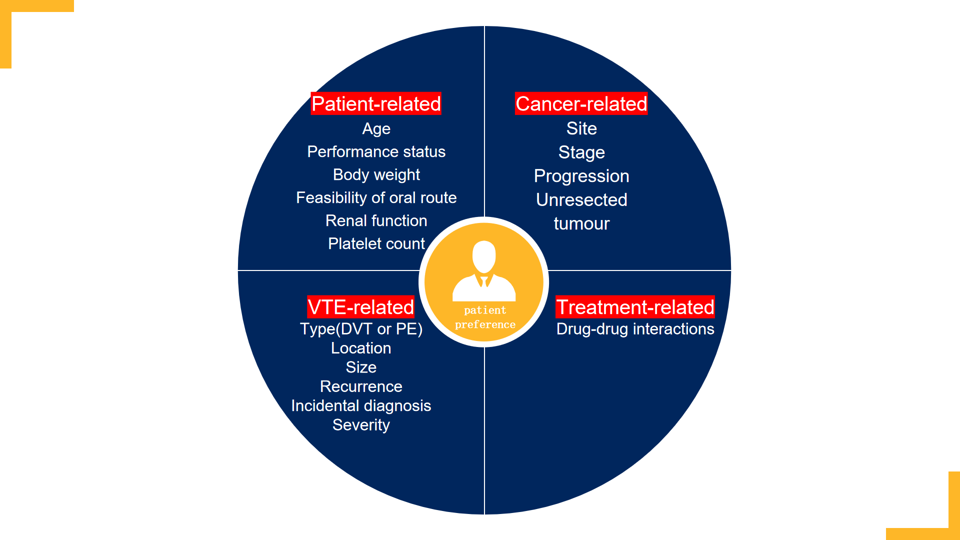
Cancer-associated thromboembolism (CAT) is a common and highly lethal complication in cancer patients. Tumors and their treatment increase the risk of thrombosis in patients. This article provides a systematic review of the mechanisms of CAT, the mechanism of action of anticoagulant drugs, and their use in the treatment of CAT. Low molecular heparin (LMWH) and new oral anticoagulants (DOACs) are the main therapeutic options recommended by current guidelines. However, in specific patient populations, it is important to individualize the treatment regimen. Recurrent thrombotic and bleeding complications are major challenges in the management of CAT, and future research should focus on optimizing individualized anticoagulation strategies, exploring novel agents, and multimodal combinations to further improve outcomes and reduce the incidence of adverse events, so that the prognosis and quality of life of patients who suffered from cancers can be upgraded a lot.
Show more
Read Article PDF
Cite
Research Article Open Access
The Application of Probiotics in Gastrointestinal Diseases
Article thumbnail
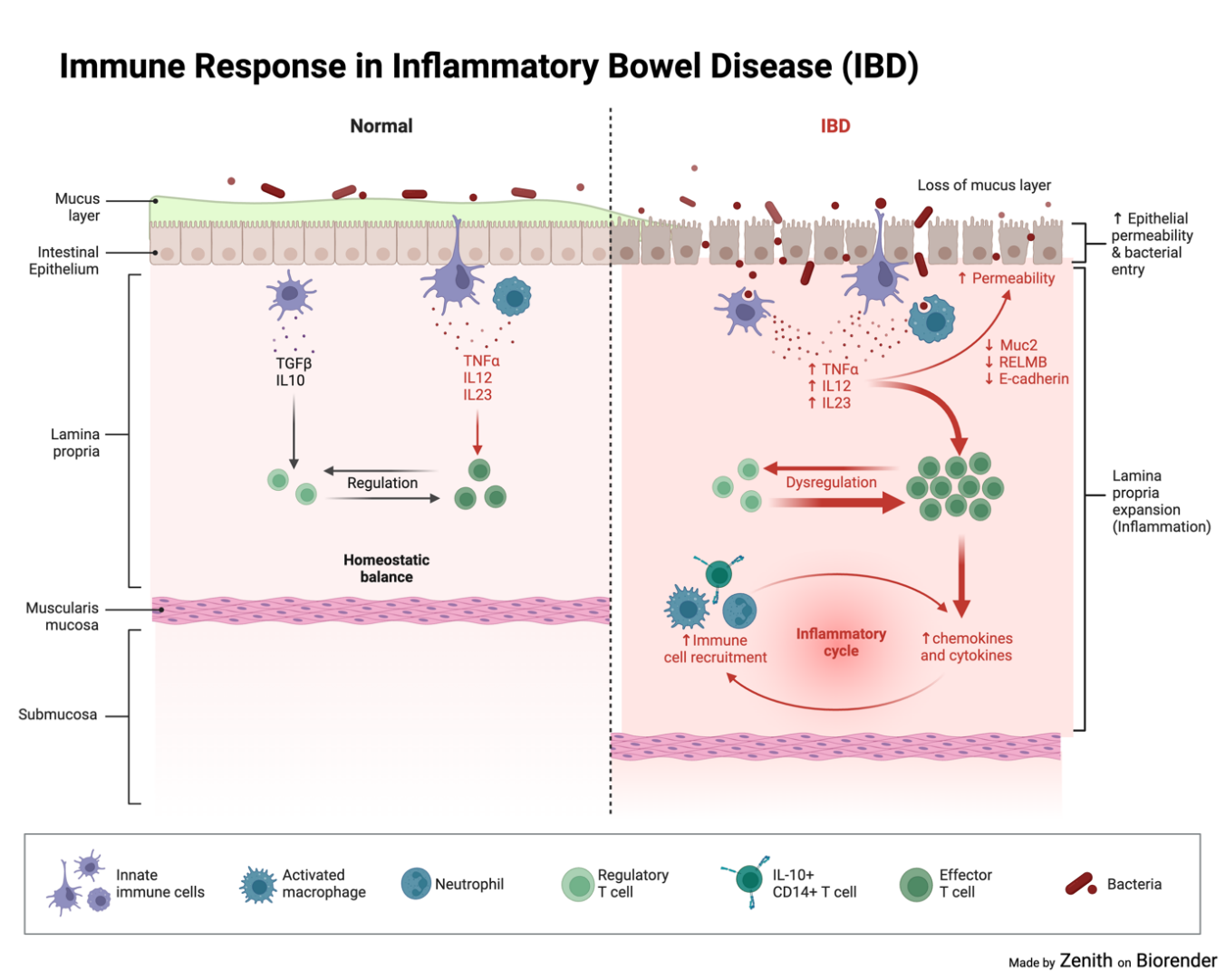
Inflammatory Bowel Disease (IBD) and other gastrointestinal disorders are now a major worldwide health burden. The pathophysiology of these illnesses is significantly influenced by disruptions in the gut flora. Beneficial microorganisms known as probiotics have the potential to improve health by balancing the microbiota and influencing immune responses. This review explores the mechanisms of action of selected probiotic strains, including Lactobacillus rhamnosus, Lactobacillus plantarum, and E. coli Nissle 1917. We conducted a systematic review of relevant literature to evaluate the safety and efficacy of these probiotics in treating gastrointestinal disorders. These strains have demonstrated promising effects in regulating inflammation, improving gut barrier function, and modulating immune responses. In each individual case, all of the probiotic strains have shown signs of improving the gut microbiota as well as inhibiting key inflammatory pathways and reducing inflammation through reduction in intensity (L.Rhamnosus), fecal composition (L.Plantarum L-137) as well as IBDQ (E.coli Nissle).
Show more
Read Article PDF
Cite
Research Article Open Access
Circadian Rhythm and Blood Pressure: research of the latest circadian rhythm in the treatment of hypertension
The goal of this review was to synthesize present knowledge on the effect of circadian rhythms on blood pressure (BP), circadian misalignment mechanisms that contribute to hypertension, circadian rhythm, and hypertension relationship, the latest research of circadian rhythm diet and pharmacological intervention and assess the possibility of chronotherapy in treatment. BP by modulating biological function is determined by the circadian rhythm process mainly under endogenous control, including the central clock in the suprachiasmatic nucleus (SCN) and peripheral clock. Hypertension has been associated with disruption of this rhythm which is a major cardiovascular disease risk factor. A high risk for adverse cardiovascular outcomes is circadian misalignment, which is reflected mostly by nocturnal non‐dipping. Shift work, hormone release, dietary habits, and others that affect circadian rhythms seem implicated, according to studies. Bedtime dosing of antihypertensive medications and other forms of chronotherapy have the potential to improve BP control. Time-dependent feeding and lifestyle interventions consistent with circadian rhythms offer benefits for hypertension management, as well. Increasingly, it is recognized that circadian rhythm disruption contributes to hypertension. Because interventions that realign circadian rhythms, including chronotherapy or circadian-aligned lifestyle changes, may decrease cardiovascular risk in hypertensives, they are worthy of further study.
Show more
Read Article PDF
Cite
Research Article Open Access
The Indian Ocean Surface Salinity during El Niño
Article thumbnail
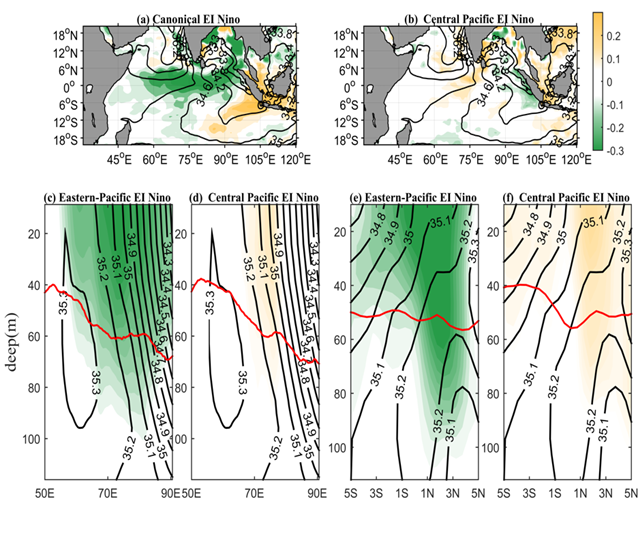
El Niño (EN) is a critical air-sea interaction that occurs between the atmosphere and the ocean in the tropical eastern Pacific region. Previous studies have classified EN into two main types: the traditional EN and the central Pacific EN. This research uncovers that these EN have substantial impacts on the annual variations in ocean salinity in the equatorial Indian Ocean, particularly during the autumn season in the Northern Hemisphere. During traditional EN, ocean salinity tends to decrease, whereas during central Pacific EN, it increases. A thorough salinity budget analysis was conducted to determine the key drivers influencing changes in Indian Ocean salinity. The results suggest that wind-induced anomalous zonal advection plays a crucial role in these salinity changes, which are further affected by the abnormal zonal circulation patterns across the Indian Ocean.
Show more
Read Article PDF
Cite
Research Article Open Access
Circadian Rhythm Disruptions and Their Impact on Acute Myocardial Infarction
Circadian rhythms refer to the roughly 24-hour cycle of physiological and behavioural changes in an organism that are regulated by the biological clock. In recent years, the influence of circadian rhythm on cardiovascular system has attracted wide attention. Acute myocardial infarction (AMI) is a disease of the cardiovascular system, which should not be overlooked, characterized by myocardial ischemic necrosis. Studies have shown that circadian rhythm disturbance can lead to a serious impact on the occurrence and development of AMI. Here, we highlight the relationship between circadian rhythms and the autonomic nervous system, inflammation, oxidative stress, cardiac remodelling and promising treatments. Understanding how these complex processes are interconnected is of critical clinical importance for optimizing treatment strategies and preventing the occurrence of AMI.
Show more
Read Article PDF
Cite
Research Article Open Access
Progress in human diseases treatment CRISPR system
Clinical medicine and biological sciences make extensive use of the gene editing method symbolized by CRISPR-Cas9. With the rapid development of molecular biology technology in recent years, the CRISPR-Cas system—which stands for clustered regularly interspaced short palindromic repeats—has become a potent tool for gene editing. Due to its high efficiency, precision, and flexibility, it has surpassed last two generations in its application within the field of molecular biology. This article provides a detailed overview of the development history, working mechanism, and applications of this technology. The CRISPR-Cas system achieves specific site modifications by introducing insertions, deletions, or single base substitutions at particular genomic sites. It has made significant contributions to research and treatment in areas such as the therapies of tumors and genetic diseases. However, challenges such as off-target effects need to be addressed before its practical clinical utility can be rigorously validated through further research and clinical trials.
Show more
Read Article PDF
Cite
Research Article Open Access
A discussion on How Hamstring Dysfunction leads to Low Back Pain (LBP) Through its Effects on the Pelvis
Article thumbnail
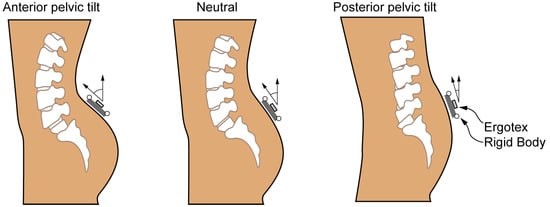
Background: Low back pain represents a significant and growing cause of pain and disability, affecting both athletes and the general population. Given its high prevalence and recurrence, it can be considered a global health burden. The prevailing approach in traditional studies is to focus on the localized aspects of the low back. This has led to a considerable body of work on the underlying mechanisms and treatments for this condition. Purpose: This article aims to contribute to the study of low back pain by examining the role of indirect muscles, such as the hamstrings, and their functional connection with the pelvis in the context of this condition. Conclusion: The findings indicate a direct correlation between hamstring dysfunction, including tightness and weakness, and low back pain. This is due to the excessive pelvic tilt that is caused by the aforementioned hamstring issues. Furthermore, asymmetries in length and strength between the left and right sides can also contribute to the development of low back pain. Nevertheless, it remains unclear whether the pelvis plays a role in this process.
Show more
Read Article PDF
Cite
Research Article Open Access
Association between dietary intake of macro-nutrient and type 2 diabetes mellitus
Diabetes mellitus, a chronic metabolic disorder characterized by hyperglycemia, has emerged as a major public health concern worldwide. From among, type 2 diabetes (T2DM) is the most common type, accounting for 90% of all diabetes cases, and the prevalence is the highest of middle-aged group, but has increased in young adults. Its pathophysiology is multifaceted, but mainly characterized by altered function of pancreatic β-cells for insulin production and diminished response of insulin by peripheral tissues. The reasons are heterogeneous, such as family history and age, however, unhealthy diet, inactivity and obesity act as the major modifiable risk factor in onset of the disease. The relationship between dietary factors and type 2 diabetes has been extensively studied, summarizing the components of macronutrients help to modulate insulin balance and glucose homeostasis. So, an effective regulation of dietary intervention is robust related to dieticians and related staff help patients to mitigate insulin balance, T2DM, and several complications. This essay reviews the relationship between intake of major macronutrients (carbohydrates, fat, and protein) and related diet regimen on insulin and glucose regulation. Insight into nutrigenetic interactions will aid in uncovering molecular mechanisms of T2DM and enable practical application of precision nutrition plan for T2DM patients.
Show more
Read Article PDF
Cite