Articles in this Volume

Research Article Open Access
Clinical Efficacy and Safety Analysis of Alteplase in the Treatment of Acute Ischemic Stroke Patients
Article thumbnail
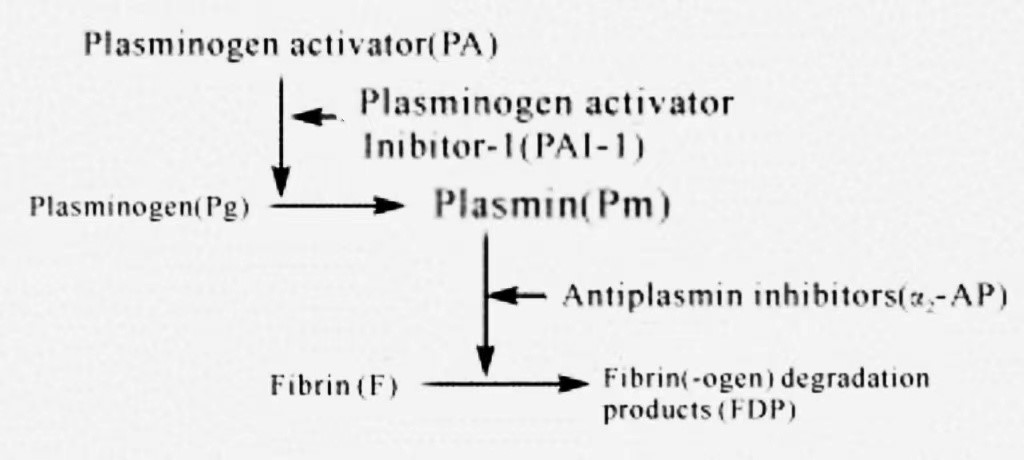
In the treatment of acute ischemic stroke, alteplase plays a vital role as a thrombolytic drug, and as the social demand for it increases, its clinical application value has received increasing attention. In order to further explore the clinical efficacy and safety of alteplase in the treatment of acute ischemic stroke, the paper outlines the pathogenesis and clinical manifestations of acute ischemic stroke, and clarified the high prevalence and severity of the disease. Besides, the mechanism of action of alteplase and its clinical effect are analyzed, and it is found that it mainly dissolves thrombi, treats thrombotic diseases, reduces the risk of bleeding, and plays a significant role in emergency treatment. In addition, it compares the characteristics and advantages of alteplase with other thrombolytics, emphasizing the importance of various thrombolytic agents in medical practice through a review of relevant literature. Overall, the study aims to explore the clinical efficacy and safety of alteplase in patients with acute ischemic stroke. The results indicate that alteplase is effective in dissolving thrombi, treating thrombotic diseases and reducing the risk of bleeding. Despite certain side effects, its overall safety was still high. Therefore, alteplase shows safe and effective advantages in the treatment of acute ischemic stroke, with broad promotional value.
Show more
Read Article PDF
Cite
Research Article Open Access
Small molecule compounds and monoclonal antibody therapy in lung cancer
The leading cause of cancer-related mortality worldwide is lung cancer, with ongoing challenges in treatment efficacy and safety, but recent advances have been made in targeted therapies, including small molecule inhibitors and monoclonal antibodies, have significantly improved treatment precision and reduced side effects compared to traditional methods. Despite these developments, gaps remain in fully understanding resistance mechanisms and identifying novel therapeutic targets. This paper reviews the current state of targeted therapies for lung cancer, examining their mechanisms, clinical applications, and impact on patient outcomes. It provides valuable insights into how these therapies have advanced the field and highlights areas where further research is needed. Future studies should focus on addressing these gaps and exploring new approaches to optimize treatment and enhance patient survival rates.
Show more
Read Article PDF
Cite
Research Article Open Access
Progress in the study of metastatic mechanism of colorectal cancer in vivo
The main object of this paper is colorectal cancer (CRC). Colorectal cancer is a malignant tumor that occurs in the colon or rectum. It is one of the most common cancers in the digestive system in the world. Its pathogenesis is complex and is related to many factors, including genetic factors and lifestyle habits. Mild cases can be treated and have a high probability of recovery, but severe tumors can even be fatal. For CRC, this paper includes its pathogenesis, metastasis mechanism, and corresponding intervention measures. Through research on these aspects, it aims to have a more comprehensive understanding of the causes, development process, and treatment strategies of CRC. The pathogenesis of CRC is usually affected by many different factors. This article will mainly discuss the factors of genetics, diet, and lifestyle. In terms of metastasis mechanism, tumor immune microenvironment, epithelial-mesenchymal transition (EMT), and vascular growth factors play a decisive and key role. Then this article also discusses intervention measures for CRC, including inhibiting the formation of new blood vessels, immunotherapy, and the use of chemotherapy agents.
Show more
Read Article PDF
Cite
Research Article Open Access
Development, effectiveness, and future directions of HPV vaccines
Article thumbnail
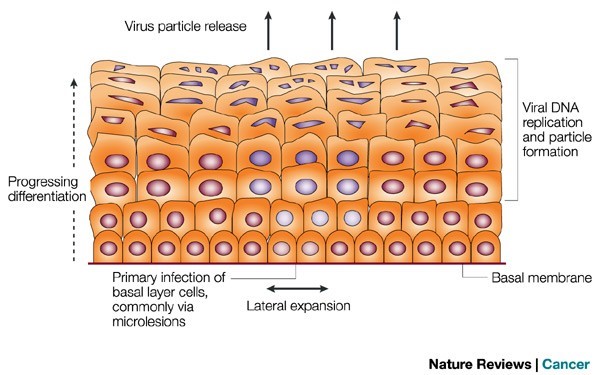
Human papillomavirus (HPV) vaccines are vaccines used to prevent sexually transmitted diseases caused by HPV. HPV infection is the leading causation that causing the cervical cancer. Specifically, high-risk-type, for instance, HPV-16 and HPV-18, are also connected with some other cancers. This article summarizes the development mechanism, availability, clinical trials, and problems faced by HPV vaccines. Currently, there were three approved HPV vaccines, including bivalent vaccine, quadrivalent vaccine, and nine-valent vaccine, which can prevent different types of HPV infection. The widely utilization of HPV vaccines has notably diminished the occurrence of diseases that are connected with HPV, especially to guard against cervical cancer. However, research on therapeutic HPV vaccines is still in its early stages, and the results of existing studies in terms of effectiveness and side effects are not ideal. Despite this, therapeutic vaccines remain a promising area in HPV research. This article summarizes the mechanism and effect of preventive HPV vaccines, explores the current status of therapeutic vaccine development, and provides basic information for future HPV vaccine research. Future research should focus on developing more targeted therapeutic vaccines and continue to improve preventive vaccines to cover more high-risk HPV types.
Show more
Read Article PDF
Cite
Research Article Open Access
Advancements in Targeted Therapies Based on the EGFR, and KRAS Genetic Mutations in Lung Cancer
Article thumbnail
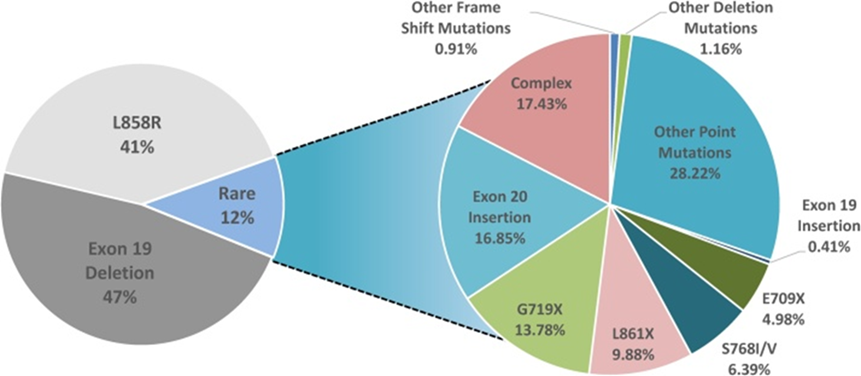
Non-small cell lung cancer (NSCLC), a type of lung cancer, has long been one of the leading causes of cancer-related deaths globally. Advances in understanding the genetic mutations associated with NSCLC, such as EGFR, and KRAS mutations, have led to significant progress in developing treatments tailored to them. However, despite these developments, challenges like drug resistance and variability in patient-specific responses still persist. This paper delves into the current research on genetic mutations in NSCLC, and the effectiveness of related treatments, focusing on the EGFR and KRAS gene mutations. While treatments have improved patient outcomes, they are often limited by various factors such as the development of resistance and off-target effects. This research highlights the importance of personalized treatments and emerging therapies, such as advanced drug delivery systems and new immunotherapies in overcoming these pre-existing limitations. The findings provide insight for future research and the need for continued innovation in treatments. The current unresolved issues such as patient-specific responses, secondary mutations, and the off-target effects suggest that developments in the near future might need to focus on enhancing personalization, the cost, and mechanisms regarding overcoming resistance.
Show more
Read Article PDF
Cite
Research Article Open Access
ABO Blood Groups, Rhesus Factor, and Rheumatoid Arthritis
The ABO and Rhesus blood group systems play critical roles in clinical practice, particularly concerning their associations with autoimmune diseases, including rheumatoid arthritis (RA). This study aimed to investigate the relationship between ABO blood types, Rh factors, and RA in a Georgian population. A total of 157 participants were included, comprising 93 RA patients and 64 healthy controls. Blood samples were analyzed for ABO and Rh D blood group determination, revealing that blood type O was the most prevalent among RA patients (50.5%), followed by type A (35.5%), while the control group exhibited similar distributions (O: 54.7%, A: 34.4%). The Rh factor analysis indicated a slightly higher prevalence of Rh-positive individuals in the RA group (84 patients) compared to Rh-negative individuals (9 patients). The overall distribution of blood types in RA patients closely mirrored that of the general population, indicating no significant link between ABO blood types and RA. Further research is warranted to explore these associations and their implications for RA pathogenesis and potential therapeutic targets.
Show more
Read Article PDF
Cite
Research Article Open Access
Prediction of surgical outcomes in ovarian cancer based on CT imaging
Article thumbnail
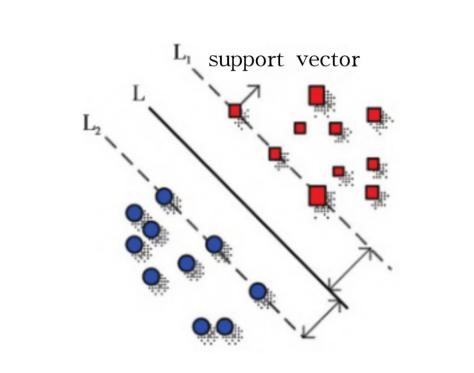
This study aims to investigate the commonly used prediction models for the outcomes of ovarian cancer surgery. The study will select 71 cases from the TCGA-OV dataset and divide them into a training set (n=51) and a validation set (n=20) at a ratio of 7:3. The project is based on PyRadiomics Python3.0.1 and extracts 107 basic image features from the image group data, including first-order statistics, shape, gray-level co-occurrence matrix, gray-level size zone matrix, GLRLM, etc. On this basis, the LASSO algorithm is used for feature dimensionality reduction. In building the model, a fuzzy matrix is used to analyze multiple evaluation indicators, including the area under the receiver operating characteristic (ROC) curve (AUC). This study hopes to provide more precise diagnostic and treatment plans for patients, with the goal of achieving better treatment outcomes.
Show more
Read Article PDF
Cite
Research Article Open Access
Report on climate and climate change on the East Coast of the United States
Article thumbnail
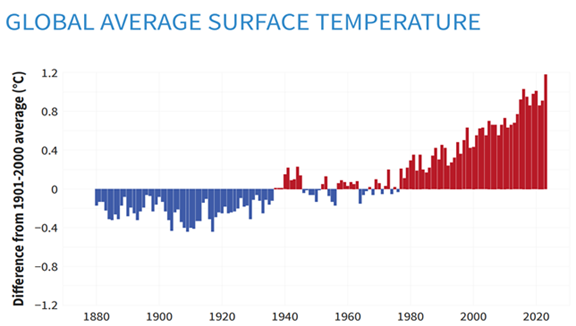
In the context of global climate change such as rising sea level, rising temperature, and increasing greenhouse gas emissions, according to the climate change of the East Coast of the United States in recent years, the report analyzes the current impact and future trends of four cases on the East Coast of the United States through relevant data and models: The damage scale of Atlantic hurricanes increases year by year, with increased vertical growth and carbon sequestration capacity of coastal wetlands, increased Vibrio vulnificus infection, and increased flood disasters. The relationship between human activities and climate change cases is explored. In the end, different specific recommendations are made based on the four major climate change phenomena on the East coast of the United States. And put forward the "forest vegetation restoration" plan, hoping to adjust the negative impact of climate change in the region through this plan.
Show more
Read Article PDF
Cite
Research Article Open Access
Study on the carbon sequestration effect of biochar in vegetable fields
Article thumbnail
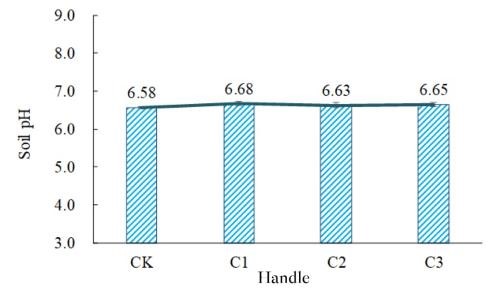
This study was conducted using a field experiment methodology aimed at assessing the effects of biochar application on tomato growth and soil properties in greenhouse greenhouses. Biochar, a carbon-rich material produced by pyrolysis of biomass under anoxic conditions, has attracted attention for its potential in soil amelioration, carbon sequestration, and soil fertility enhancement. In this experiment, three biochar application levels of 0, 20, and 40 t/ha were designed to investigate the effects of different application rates on soil chemical properties and tomato growth.The study results showed that biochar application significantly increased soil pH by 0.05 to 0.1 units, which was beneficial in regulating acidic soil. Meanwhile, biochar application significantly increased total soil carbon content by 7.5 to 28.8%, indicating its effectiveness in enhancing soil carbon sequestration capacity. Although the enhancement of total soil nitrogen content by biochar was small (3.1 to 7.8%), this increase had a positive effect on crop growth. Considering the cost-effectiveness, this study recommends a one-time application of 40 t/ha of biochar, which can maintain the effect for at least 2 years, reducing the need for frequent applications and the associated economic costs.This study provides recommendations for optimization of biochar application and provides a scientific basis for sustainable agricultural development. By improving soil properties and increasing crop yields, this study contributes to the promotion of green development of agriculture and ecological civilization, and the realization of carbon and nutrient cycling in agroecosystems.The significance of this research focuses on evaluating the effects of biochar on soil properties and tomato production, thereby providing a scientific basis for fine-tuning application levels. Such optimization promotes sustainable farming practices, reduces agricultural waste emissions, enhances carbon and nutrient dynamics within agroecosystems, and reinforces the scientific foundation essential for progressing green agricultural development and building an ecological civilization.
Show more
Read Article PDF
Cite
Research Article Open Access
Advances and Implications of Histone Modifications in Prostate Cancer: A Brief Review
Prostate cancer, a leading cause of cancer-related mortality among men, is increasingly linked to epigenetic changes, particularly histone modifications that affect gene expression and tumor behavior. This review explores recent advances in understanding how aberrant histone acetylation, methylation, and other modifications contribute to prostate cancer progression, metastasis, and therapeutic resistance. By analyzing these modifications' roles in regulating critical pathways, this paper aims to elucidate their diagnostic and therapeutic potential, suggesting that targeted epigenetic therapies may offer new avenues for treatment.
Show more
Read Article PDF
Cite