Articles in this Volume

Research Article Open Access
Research on the Exoskeleton Enhancing Human Touch
The integration of brain-computer interfaces (BCIs) with exoskeleton systems offers a unique potential to enhance and restore human sensory and motor capabilities. This review delves into both invasive and non-invasive BCI technologies, with a special emphasis on the practical application of electroencephalography (EEG). It critically assess the effectiveness and limitations of EEG in controlling exoskeletons, while providing a detailed comparison of various control methods, including direct neuromuscular stimulation, neurofeedback, and machine learning-based intelligent strategies. Additionally, this review addresses the technical challenges faced by integrated systems, particularly in performing complex tasks and delivering real-time feedback, such as the intricacies of signal decoding, system stability, and user adaptability. The conclusion underscores the importance of future research in enhancing system reliability and accuracy, refining user interfaces, and developing novel algorithms to improve performance and user experience. This review aims to equip researchers in the field with a robust theoretical framework and practical insights, facilitating further advancements in the synergy between BCI and exoskeleton technologies.
Show more
Read Article PDF
Cite
Research Article Open Access
Effect of sleep disturbances on depression
This paper explores the relationship between sleep disorders and depression, highlighting the complex interplay between various influencing factors. This article will analyze the influence of sleep disorders on depression from three aspects: pathological mechanisms, different age groups, and lifestyle factors. The analysis began with pathological mechanisms, particularly the role of neurotransmitter systems, including histamine, norepinephrine, dopamine, and serotonin, all of which significantly regulate sleep and mood states. Dysregulation of these neurotransmitters can exacerbate sleep disturbances, thereby increasing the risk of depression. The researchers also examined the age factor and found that sleep deprivation in adolescents impaired emotion regulation and significantly increased the risk of depression. In contrast, older adults with sleep disorders were three times more likely to develop depression over time. In addition, lifestyle factors such as dietary habits, exercise, and use of electronic devices were explored. A balanced diet and regular physical activity have been shown to improve sleep quality and reduce depressive symptoms. In contrast, the use of electronic devices, especially at bedtime, is associated with poorer sleep outcomes and a higher risk for depression owing to the damaging effect of blue light on melatonin secretion.
Show more
Read Article PDF
Cite
Research Article Open Access
Research on schizophrenia – based on dementia, working memory and episodic memory deficits
Schizophrenia is associated with severe cognitive dysfunctions, including memory deficits that affect both working memory (WM) and episodic memory (EM). Memory deficits are also a typical symptom experienced by dementia patients that causes crucial functional problems in daily life. Meanwhile, past studies yielded evidence for the relationship between dementia and psychiatric disorders, indicating the emergence of psychotic symptoms during prodromal dementia. This article aims to investigate the relationship between schizophrenia and dementia plus the WM and EM deficits among schizophrenia patients. In the first part of this paper, the association between schizophrenia and dementia is examined based on a psychosocial study conducted among the Danish population, comparing the likelihood of developing dementia in patients with schizophrenia to that of individuals without schizophrenia. The review of previous research findings indicates a positive correlation between a diagnosis of schizophrenia and the later development of dementia. This phenomenon may be due to the reason that schizophrenia is positively associated with several established risk factors of dementia. Then, the topic of the potential deficits of WM and EM is discussed using self-ordered task results and neurobiological evidence. Studies have showed that schizophrenia is likely to lead significant WM and EM limitations that are closely related to prefrontal cortex impairment.
Show more
Read Article PDF
Cite
Research Article Open Access
Obesity Treatment from the Unique Perspective of Traditional Chinese Medicine
Article thumbnail
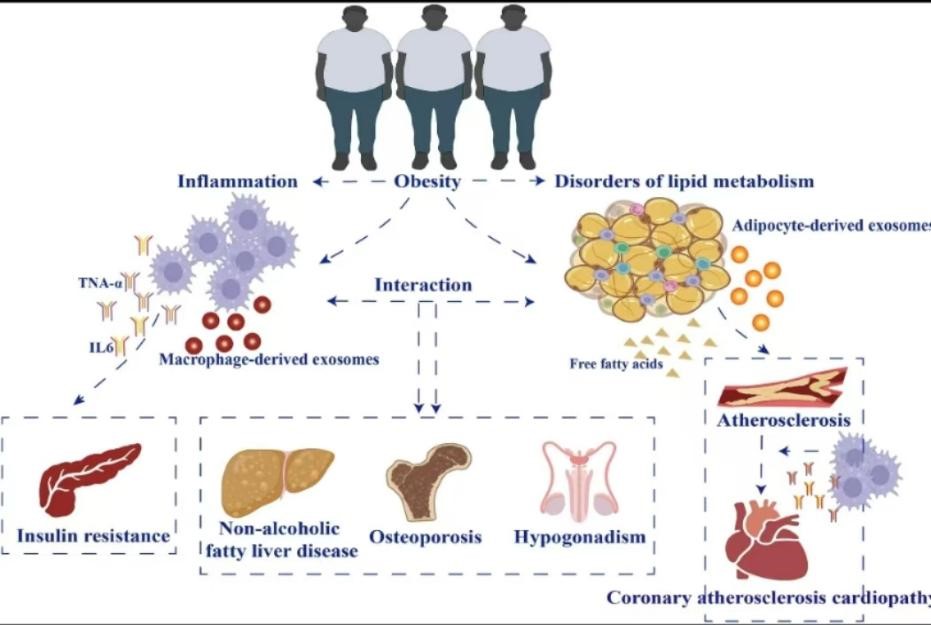
This paper aims to develop the value and significance of traditional Chinese medicine in the treatment of obesity in the context of the globalization of contemporary obesity, and to explore the causes and treatment methods of obesity. By examining the historical origins of traditional Chinese medicine principles, in conjunction with the teachings of the Emperor's Neijing, as well as the concepts of yin and yang, and qi and blood theory, this paper conducts an analysis on the traditional Chinese medicine perspective on obesity. Specifically, it explores the perception of imbalance in energy and organ function. This paper emphasizes the holistic nature of the human body and argues that treating obesity should not only focus on weight loss, but also on regulating internal organ function and balancing qi, blood, Yin, and Yang to improve overall health. At the same time, the effect of TCM dietary advice on weight loss was studied, and the role of herbal medicine and acupuncture in the treatment of obesity was explained, so as to provide new ideas and methods for the comprehensive treatment of obesity.
Show more
Read Article PDF
Cite
Research Article Open Access
Advantages of biological analogues in blood glucose control of diabetes from a clinical perspective
This study aims to explore the clinical advantages of biosimilar drugs in blood glucose control of diabetes, and analyze the challenges and coping strategies. This paper discusses the advantages of biosimilars through a review. The analysis reveals that biosimilar drugs have significant cost-effectiveness, improved patient affordability, and ease of clinical use in diabetic glycemic control. At the same time, through education, monitoring and scientific conversion strategies, the challenges of doctors and patients, immunogenicity and safety monitoring can be overcome. Biosimilar drugs have important clinical value in the field of diabetes treatment, which provide new perspectives and methods for improving the treatment effect, improving the quality of life of patients, and optimizing the allocation of medical resources. Medical professionals, patients, and policy makers should work together to promote the rational application of biosimilar medicines.
Show more
Read Article PDF
Cite
Research Article Open Access
The analysis of whether CRISPR-Cas9 is the way forward for Alzheimer’s disease treatment
Article thumbnail
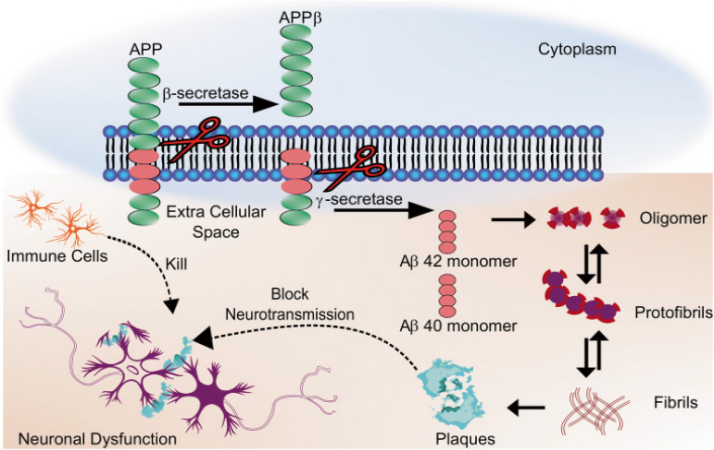
Alzheimer's disease (AD) is a progressive and irreversible neurological condition which according to WHO affects more than 55 million individuals globally and is the leading cause of dementia and thereby poses a significant burden on healthcare systems worldwide. AD progresses through stages of mild cognitive impairment to severe dementia and is characterised by the accumulation of extracellular amyloid-beta plaques and neurofibrillary tangles concentrated with tau proteins in neocortical structures and the temporal lobe. Gene-editing technology such as the most prevalent CRISPR-Cas9 provides prospects for the treatment of AD by enabling precise modifications of the genetic mutations associated with the disease. This review explores the potential of CRISPR-Cas9 to revolutionise treatment by targeting and rectifying mutated genes but also examines the current state of Alzheimer’s treatment. This paper examines recent advancements in preclinical studies and highlights the successes in reducing amyloid-beta plaques and tau neurofibrillary tangles, the pathological features of AD. By evaluating current CRISPR-Cas9 research and other treatments for AD, I aim to provide insight into its potential as a transformative gene therapy approach whilst evaluating its limitations.
Show more
Read Article PDF
Cite
Research Article Open Access
Application of Nanotechnology in Regenerative Medicine
Article thumbnail
The field of medicine has witnessed revolutionary changes in recent years due to rapid advancements in science and technology. Among these transformations, nanotechnology has emerged as a highly promising tool with significant potential for revolutionizing various aspects of healthcare. This paper provides a comprehensive review of the application of nanotechnology in the field of regenerative medicine, with particular emphasis on its impact on bone and skin remodeling. By leveraging the unique properties of nanomaterials, such as their high surface area-to-volume ratio and ability to interact with biological systems at the molecular level, researchers have been able to enhance the effectiveness of regenerative treatments. In bone remodeling, nanotechnology facilitates better integration of implants and promotes the differentiation of stem cells into osteoblasts, leading to improved bone regeneration. Similarly, in skin remodeling, nanomaterials contribute to accelerated wound healing, enhanced collagen deposition, and reduced scarring. These advancements not only improve the outcomes of traditional regenerative therapies but also open new avenues for developing more efficient and targeted approaches to tissue engineering.
Show more
Read Article PDF
Cite
Research Article Open Access
Neurotransmitter Dysregulation in Sleep and Circadian Rhythms: Implications for Postpartum Depression
Postpartum depression (PPD) is a major mental health disorder that affects mothers both emotionally and physically, hindering their ability to care for the child. Other neurotransmitter imbalances during the postpartum period include serotonin, dopamine, melatonin, GABA, and orexin, which result in disturbances in sleep. The reduction in serotonin concentration is related to mood and sleep, while altered dopamine levels are related to alertness and coordinating circadian rhythms. Further, women postpartum demonstrates higher melatonin levels and a subsequent neuronal excitation due to lesser functioning GABA-A receptors, which in addition combine to cause disturbances with sleep. This paper reviews the literature to analyze the effects of neurotransmitter disorders in sleep and circadian rhythm on postpartum depression. The review provides emerging treatment options for postpartum depression including selective serotonin reuptake inhibitors (SSRIs), melatonin agonists, and benzodiazepines, which have shown promising results in relieving symptoms by modulating neurotransmitter pathways. However, more research needs to be undertaken in the field of non-pharmacological interventions, the long-term outcome of neurotransmitter dysregulation, and preventive measures during pregnancy that would go a long way toward improving overall outcomes for mothers as well as their infants.
Show more
Read Article PDF
Cite
Research Article Open Access
Advances in Metabolomics based on Mass Spectrometry
Metabonomics, as systems biology's most downstream "omics,” is the integrity of the system function change important branch discipline of life. Metabonomics is a research field that focuses on complex biological systems, and there are numerous types of common biological samples, such as biological fluids (urine, saliva, serum, plasma, bile, cerebrospinal fluid, amniotic fluid, tears, pancreatic juice, and intestinal juice, etc.), animal or human tissue (tumor, liver, brain, adipose tissue, etc.), and cells. Metabonomics typically employs two categories of commonly used research methods: mass spectrometry and nuclear magnetic resonance. This paper presents a comprehensive review of the research progress in the field of metabonomics within the medical field. The focus is on disease diagnosis, drug research and development, as well as their relationship to nutrition, toxicology, sports medicine, and other related areas. This review is based on an analysis of mass spectrometry. Despite the significant progress made in science, technology, and research, metabolics research still faces a multitude of challenges and opportunities. The ongoing development and innovation of mass spectrometry technology are crucial for the field's advancement. While mass spectrometry has played a pivotal role in metabolomics research, there is a pressing need to enhance its performance in order to improve sensitivity, resolution, and analysis throughput.
Show more
Read Article PDF
Cite
Research Article Open Access
An uninvited enemy: antimicrobial resistance and its relations with environment
Article thumbnail
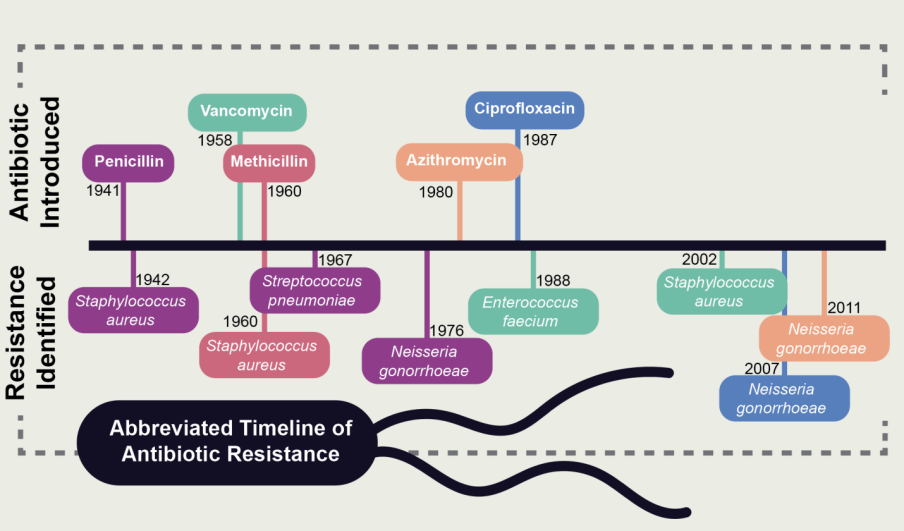
According to the reports from the World Health Organization (WHO), AMR (Antimicrobial Resistance) is a rising problem for human beings. AMR could invalidate all efforts that human beings have made in the field of antibiotics. For example, AMR Mycobacterium Tuberculosis has taken away thousands of lives in patients all over the world, while their resistance to the most prevailing medicines, including Rifampicin and Streptomycin no longer works. In the history of the continuous battle between bacteria and human beings, it seems that the emergence of AMR in bacteria is not random; rather, they seem to follow a certain pattern related to climate change. This thesis, through the method of literature and case study, aims to give a hypothesis supported by the data and facts to elaborate on this pattern, which is not yet scientifically proven. According to the perception with the aid of resources, the heat waves happening in the last centu ry until now might have correlations with the emergence of AMR.
Show more
Read Article PDF
Cite