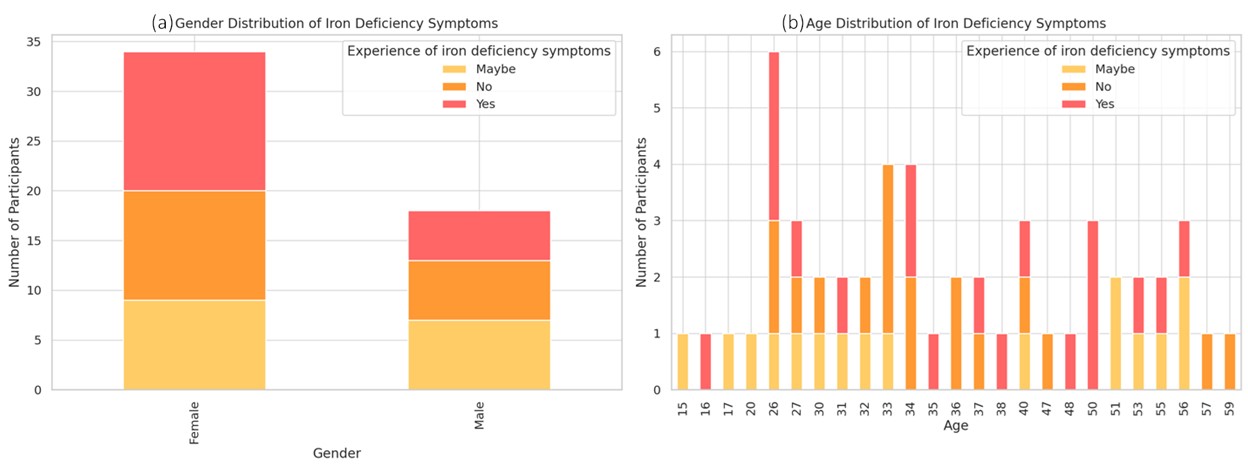
Iron is an essential mineral that plays a critical role in athletic performance, particularly through its involvement in oxygen transport and energy metabolism. This study investigates the awareness, perceptions, and dietary behaviors related to iron intake among athletes, focusing on the prevalence and impact of iron deficiency. A survey of 60 participants aged 16 to 59 revealed that 34% experienced symptoms of iron deficiency, with higher rates among females (41%) and those engaged in intense exercise. The study found a positive correlation between the consumption of iron-rich foods and self-assessed athletic ability, emphasizing the importance of diet in maintaining optimal iron levels. However, the frequency of iron-rich food consumption did not significantly impact recovery speed, suggesting that other factors, such as exercise intensity, play a more significant role in recovery. The findings underscore the need for targeted nutritional strategies and educational initiatives to address iron deficiency, particularly in high-risk groups. The study also highlights the complexity of athletic nutrition, where multiple nutrients and factors contribute to overall performance. Future research should explore the long-term effects of iron supplementation and the specific needs of different athlete populations to optimize performance and health.