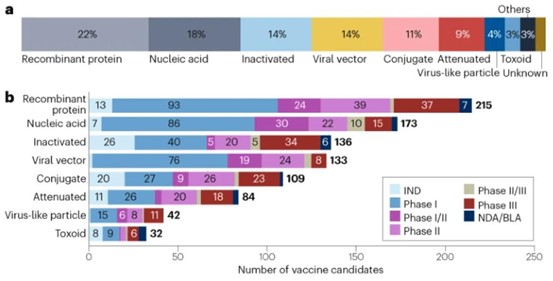
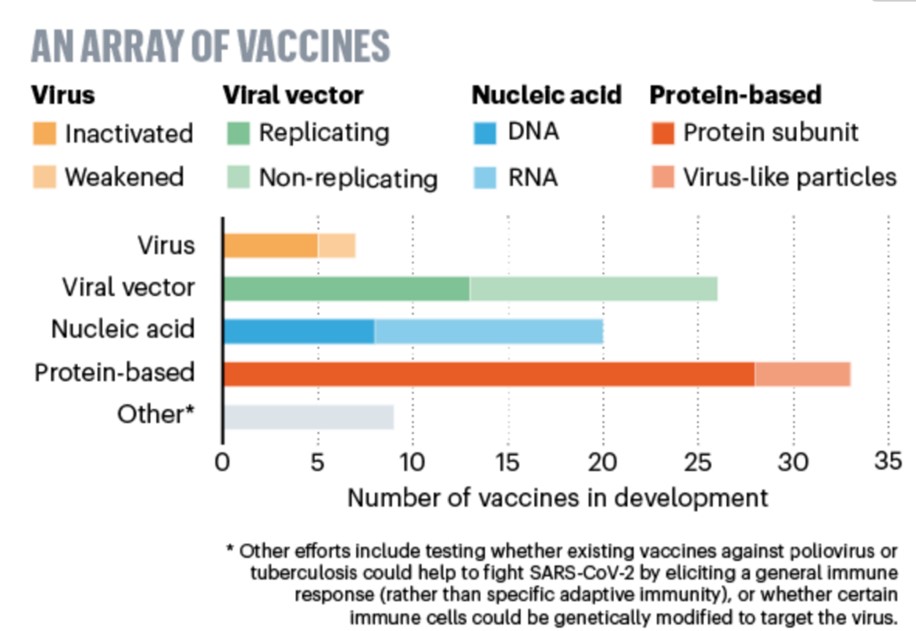
Since the 18th century, vaccines have played a crucial role in preventing infectious diseases, with the earliest example being Edward Jenner’s pioneering use of the cowpox vaccine to prevent smallpox in 1796. Vaccines work by inducing specific immune responses, effectively preventing the spread of various infectious diseases and protecting the health of individuals and communities. However, traditional vaccine technologies face certain limitations, such as reversion to virulence and long production cycles. In recent years, rapid advances in biotechnology have introduced new vaccine technologies, including mRNA, DNA, nanoparticle, and mosaic vaccines. These innovative technologies are expected to enhance the safety and efficacy of vaccines and accelerate development times. This review explores the latest trends and technological advancements in vaccine development, highlighting the potential applications of these new technologies. By addressing the challenges faced by traditional vaccines and emphasizing the benefits of emerging approaches, this paper aims to provide valuable insights for vaccine research and public health policy, ultimately enhancing global efforts in disease prevention and control.
Research Article
Open Access