Articles in this Volume

Research Article Open Access
Research Progress on CRISPR/Cas9-Mediated Gene Editing Combined with CAR-T Tumor Immunotherapy
CAR-T cell therapy is a highly promising cancer treatment; however, its application and efficacy are limited by various factors. This paper explores the challenges faced by CAR-T cell therapy, such as antigen escape, treatment side effects, the immunosuppressive microenvironment of solid tumors, and low efficiency of cell migration and infiltration. To overcome these bottlenecks, CRISPR/Cas9 technology can be utilized to enhance CAR-T cells through gene editing, improving their anti-tumor effects. The paper details methods and applications of CRISPR/Cas9 technology in improving CAR-T therapy. Finally, the paper summarizes the current bottlenecks in the field and provides prospects for future development.
Show more
Read Article PDF
Cite
Research Article Open Access
Self-Assembling Chimeric Polypeptides as Drug-Carrying Nanoparticles for Anti-Cancer Chemotherapy
Article thumbnail
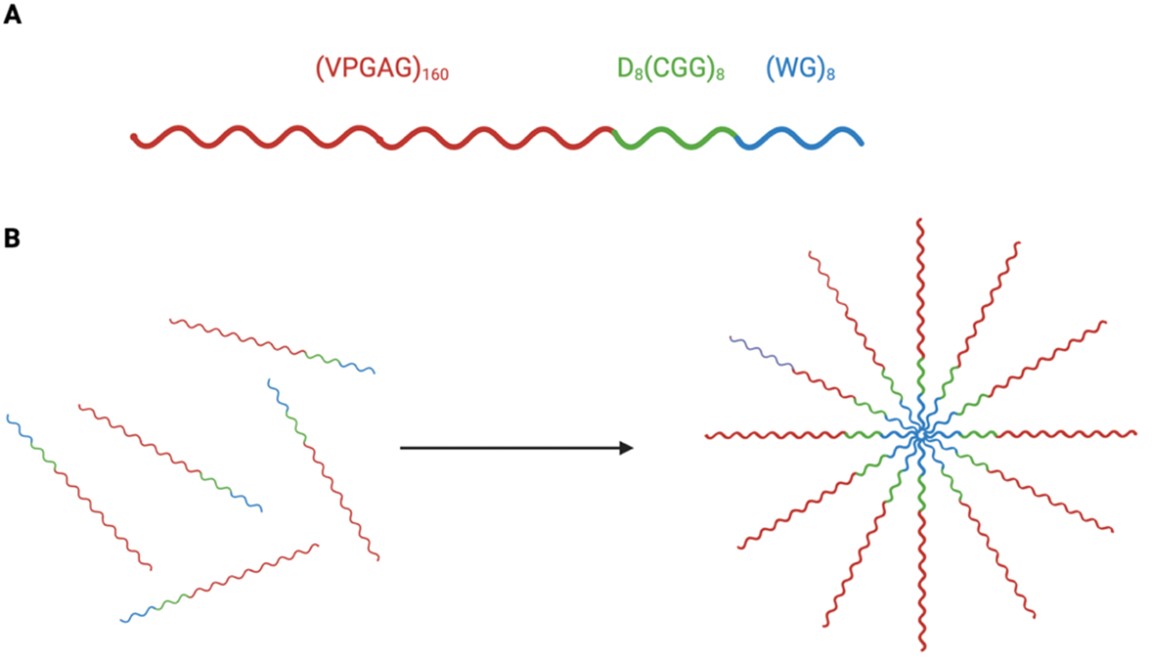
Chemotherapy is often limited by unfavorable pharmacokinetics and pharmacodynamics that result in dose-limiting cytotoxicity. Therefore, self-assembling nanoparticles have been of particular interest to address these limitations by altering the physicochemical properties of payloads. Amphiphilic chimeric polypeptides (CPs) capable of versatile payload conjugation and spontaneous self-assembly into monodisperse micelles were designed, recombinantly synthesized, and characterized in this study. Doxorubicin (Dox) was also conjugated onto CPs to determine the effectiveness of pH-mediated release and the effects of payload conjugation on CP morphology. The designed CP consisted of a hydrophilic elastin-like polypeptide that enabled non-chromatographic polypeptide purification, an aspartic acid linker, a short Cys-rich segment for drug conjugation, and a hydrophobic domain that promoted the spontaneous formation of CP nanoparticles. Additionally, bio-orthogonal conjugation of chemotherapeutics onto CPs through short acid-labile chemical linkers enabled controlled pH-mediated release of conjugated chemotherapeutics and enhanced self-assembly. Results indicated that CP and Dox-CP nanoparticles had critical aggregation concentrations of 3.24 and 0.58 µM and hydrodynamic radii of 57.09 and 72.86 nm, respectively. Dox-CP also released 76.8% of conjugated chemotherapeutics after 24 hours in late endosome pH and was effective against triple-negative breast cancer cells. These favorable characteristics and the independent self-assembly of the designed CP will enable targeted chemotherapeutic delivery regardless of payload hydrophobicity.
Show more
Read Article PDF
Cite
Research Article Open Access
Machine learning diagnosis of schizophrenia using structural and functional images of the brain
Article thumbnail
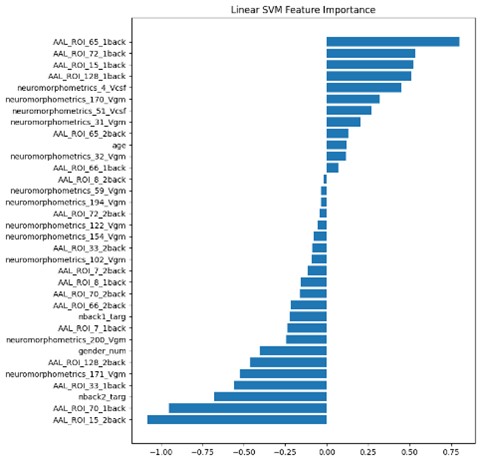
This study aims to provide earlier, and faster schizophrenia diagnosis based on neurocognitive, structural, and behavioral measures using machine learning. This is because current ways of diagnosis, while accurate, delay patients’ ability to seek medical care before observable, lasting symptoms develop and are prone to error and discrimination. To provide diagnosis, we used Linear Support Vector Machine (linear SVM), Random Forest (RF), Multilayer Perceptron (MLP), and k-Nearest Neighbor (kNN), all trained with neurocognitive and behavioral measures combined with either structural or functional MRI data or both of 99 subjects from the OpenNeuro public dataset. 100 iterations of classification were run, and results showed a higher-than-average accuracy for all classifiers using all combinations of parameters, with a highest accuracy of 0.75 using linear SVM trained with behavioral and neurocognitive measures and fMRI data. We found correlations between structural changes in AAL3 brain regions and n-back working memory task performance, noting that the inferior parietal gyrus, right precuneus, supplementary motor area, and the central lateral thalamic nucleus have the highest feature importance. This means that future studies can select these features for further clinical examination or for machine learning diagnosis. We conclude that linear SVM provides the highest average diagnostic accuracy, and that fMRI data often leads to more accurate algorithmic decisions than sMRI data and thus should be weighed more in future studies.
Show more
Read Article PDF
Cite
Research Article Open Access
Targeted treatment of gastric cancer and its pathogenic mechanism
Gastric cancer (GC) is a malignant tumor with high morbidity and mortality in our country. The traditional treatment methods include operation, radiotherapy and chemotherapy. At present, it cannot be cured by traditional treatment. Targeted therapy is a treatment method for GC targeting specific targets. Currently, the main therapeutic targets developed include HER2, VEGF and EGFR. It has the advantages of less side effects and good efficacy, but it still has the defect of not fully covering the patient population. This paper mainly introduces targeted therapy of GC, an emerging treatment method, and obtains relevant information about the pathogenic mechanism and main drugs of its main targets HER2, VEGF and EGFR. By summarizing the above information, this paper hopes to provide reference for the future research of targeted therapy of GC and make contributions to the development of more new targets of GC in the future.
Show more
Read Article PDF
Cite
Research Article Open Access
The anticoagulant ability of lumbrokinase and the advantages of different dosage forms
Article thumbnail
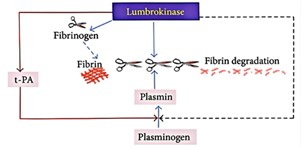
As a traditional Chinese medicine, earthworms were found to have an effective thrombolytic effect in which lumbrokinase, an active ingredient, is now usually purified for the treatment of cardiovascular diseases. As a highly safe and easy-to-obtain drug, lumbrokinase is often administered in the form of enteric-coated tablets. However, there is still a lack of relevant research on the detailed molecular mechanism of lumbrokinase’s anticoagulant mechanism, the effectiveness and safety of long-term use, the interaction with other drugs, and the expansion and optimization of clinical applications. This paper analyzes the mechanism of action of lumbrokinase, the influencing factors of external conditions, the method of administration and the research of new drug delivery systems. It provides a reference for future research on the role and application prospects of lumbrokinase in anticoagulation. However, the specific molecular mechanism of action and clinical application issues have not been resolved. Future research can focus on the molecular mechanism of action and the efficiency and safety of clinical use of new drug systems.
Show more
Read Article PDF
Cite
Research Article Open Access
Effect of M6A methylation on T cell homeostasis
Article thumbnail
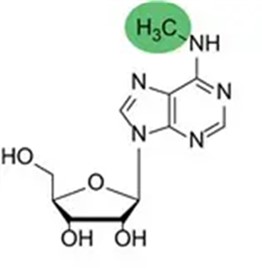
The m6A methylation modification is a prevalent form of RNA modification in organisms, exerting its influence on gene expression. In recent years, there has been a gradual elucidation of the relationship between the physiological functions of m6A methylation modification and immune regulation, obesity, as well as malignant diseases such as tumors. Consequently, the study of m6A methylation modification has emerged as a focal point in current molecular biology research. This research focuses on the interaction between immune system homeostasis and m6A methylation alteration and the human immune system. It also describes the significant effects of three crucial regulatory proteins required for m6A methylation modification on the growth and differentiation of immune cells (T cells). This research provides a novel direction for future studies in immunology and disease pathology. However, there are still some research difficulties, for instance, a number of methyltransferases, demethylases, and recognition proteins control the alteration of m6A methylation, and the interaction and regulatory network among these proteins are not clear, so future research can focus on this direction.
Show more
Read Article PDF
Cite
Research Article Open Access
Evaluation of the safety of T-DXd in the Treatment of HER2-positive breast cancer
Article thumbnail
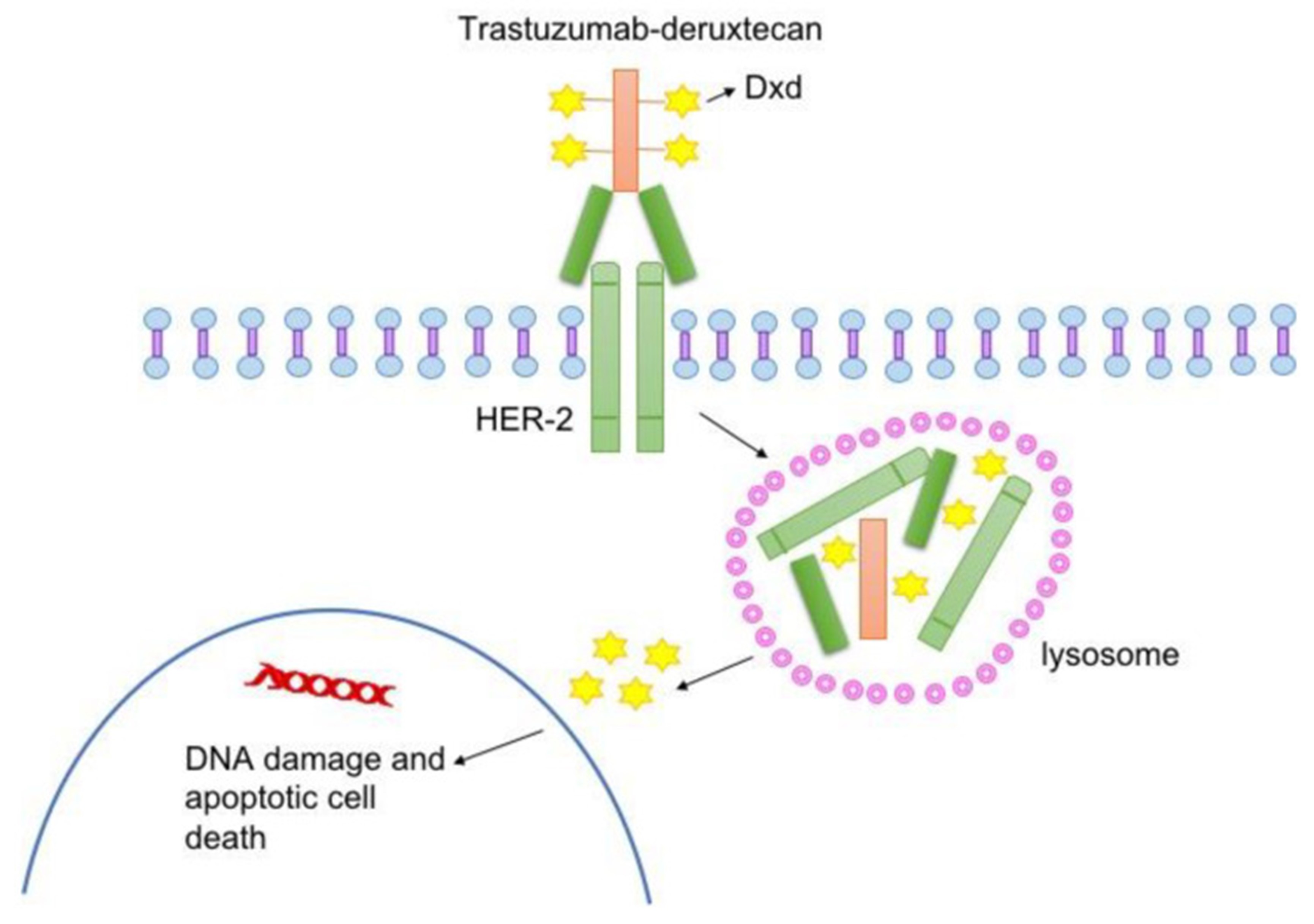
Breast cancer (BC) is one of the most common diseases in women today, and HER2-positive BC has attracted the attention of researchers. Anti-her2 targeted therapy is an important tool in the treatment of HER2. In recent years, antibody-coupling drugs have entered people's field of vision and triggered a boom, and the research on T-DXd targeted therapy for HER2-positive BC is also gradually advancing and improving. This paper mainly discusses the mechanism of HER2-positive BC, explores the mechanism of action of T-DXd against HER2-positive BC, analyzes the side effects and safety evaluation of T-DXd targeted therapy for adult female patients with HER2-positive BC, and concludes that T-DXd is a relatively safe drug. However, it can be found that the pulmonary interstitial disease after treatment is a serious side effect that should not be ignored. Future studies can focus on discussing the principle of the side effect, ways to reduce the probability of its occurrence and more accurate and safe medication programs.
Show more
Read Article PDF
Cite
Research Article Open Access
New biological dressings in diabetic wound healing: Dual effects of anti-infection and immune regulation
Article thumbnail
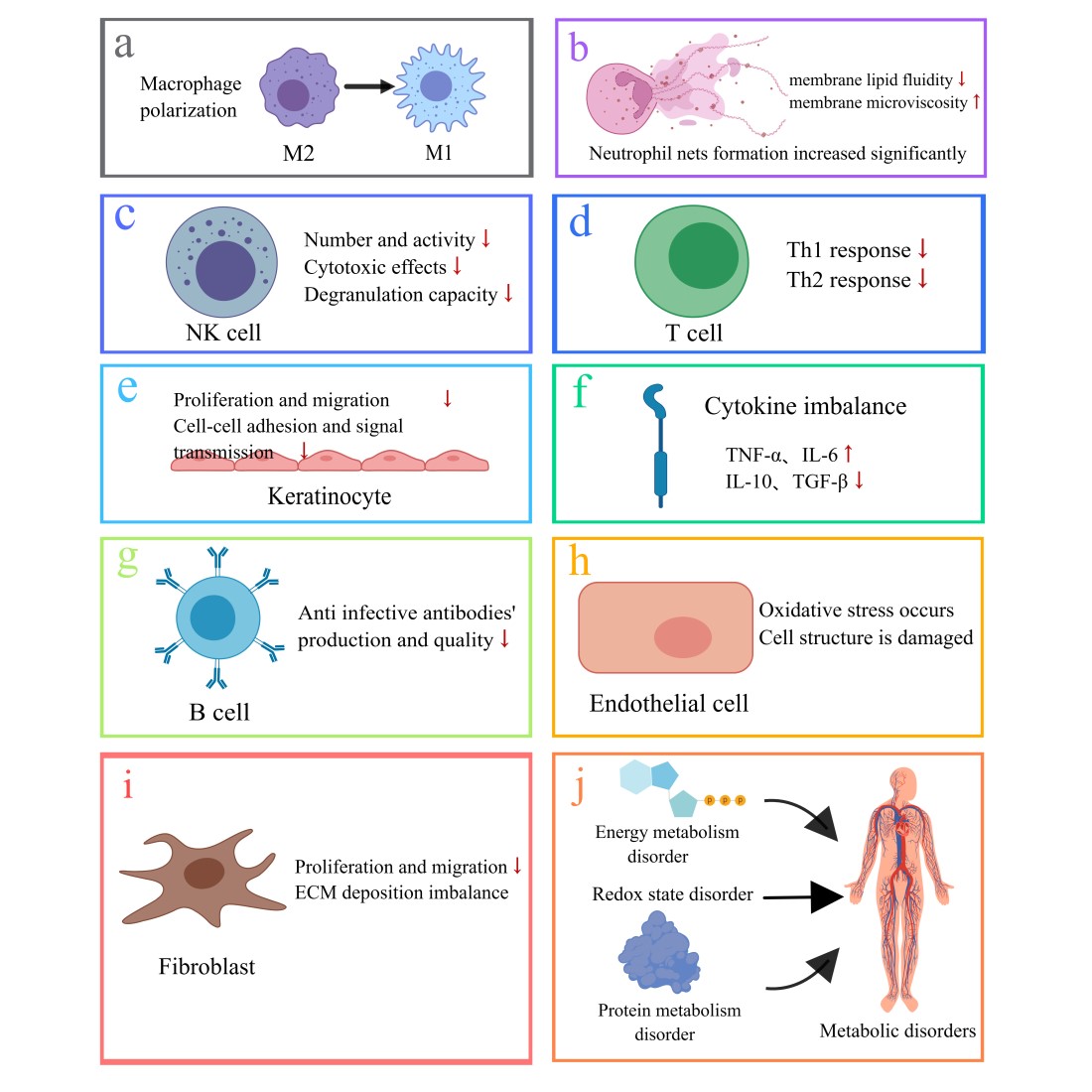
As a global epidemic, one of the complications of diabetes is chronic difficult heal wounds, especially infectious wounds, which pose a major threat to the quality of life and prognosis of patients. Traditional dressing materials (gauze, film, foam) often have limited effect, and can easily lead to prolonged treatment cycles and antibiotic resistance. In recent years, as an innovative wound management strategy, biological dressings (hydrogels, fiber scaffolds, microneedle patches) have attracted extensive attention due to their antibacterial effect, inhibition of infection, regulation of the body's immune system, promotion of tissue repair, and good biocompatibility. Here, we discuss the impact of diabetes on the body's immune system, tissue cells, and metabolic processes. In addition, we reviewed the specific mechanisms of different biological dressings in the treatment of diabeti-infected wounds. Finally, we discuss current challenges and future research directions.
Show more
Read Article PDF
Cite
Research Article Open Access
AI-enabled exploration of the "dark matter" of the protein universe
Article thumbnail
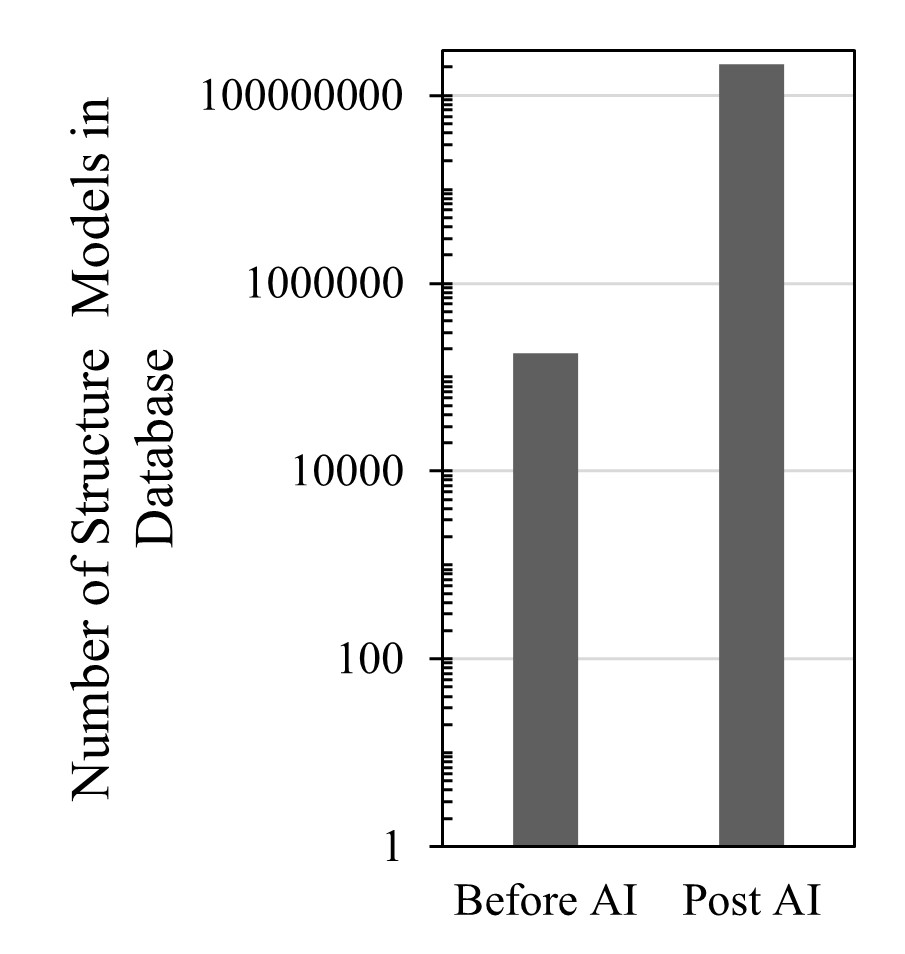
The "dark matter" of the protein universe, consisting of proteins lacking structural information or functional annotations, represents a significant challenge in understanding the complexity of life. Recent breakthroughs in artificial intelligence (AI), particularly in protein structure prediction, have revolutionized our ability to illuminate this uncharted territory. AI-based methods such as AlphaFold and RoseTTAFold can predict protein structures with unprecedented accuracy and scale, while large-scale databases provide access to the predicted structural models for hundreds of millions of proteins. Leveraging these AI tools and databases, researchers can uncover novel protein families, folds, and functions, and even design new proteins, paving the way for advances in basic biology, biotechnology, and medicine. This review discusses the recent progress of AI-enabled exploration of the "dark matter" of the protein universe, highlights recent advancements, and outlines future challenges and opportunities in this field.
Show more
Read Article PDF
Cite
Research Article Open Access
Antidepressant drugs targeting on the histone deacetylase (HDAC) research progress
Depression is a high incidence, low clinical cure rate, and high recurrence rates of mental disorders. Antidepressant drug development has been going on for several years, and is widely used in the market of monoamine oxidase inhibitors, for example, tricyclic antidepressants. There has been a lot of progress, but they still can't take effect immediately, and may cause adverse reactions or other defects in the patients’ nervous system and urinary system. At present, with the rapid development of global society, people are facing increasing mental stress, and the high incidence of depression is becoming increasingly severe. The development of antidepressant drugs is of urgency and importance. This article from the perspective of epigenetics, is based on the modification of histone acetylation, analysis of depression causes the histones to acetylate enzyme (HDAC), and targeted at HDAC drugs, mainly HDAC inhibitors (HDACi). This article reviews the therapeutic effects and therapeutic mechanisms of histone deacetylase (HDAC)-targeted drugs on depression, so as to provide a reference for exploring new treatment methods for depression.
Show more
Read Article PDF
Cite