Articles in this Volume

Research Article Open Access
Syphilis and advancements in its treatment
Syphilis is an infectious disease caused by the bacterium Treponema pallidum. Pallidum and its subspecies is a spirochete microaerophilic virus that sensitive to oxygen and temperature. T. pallidum is responsible for causing syphilis through sexual exposure and vertical transmission from pregnant women to their fetuses. The invasiveness and immunoevasiveness of syphilis is caused by its lack of outer membrane immune targets and with fewer surface transmembrane protein. These features explain why syphilis causes millions of people suffered from this disease and the incidence is still increasing. For the four stages of syphilis, there are different symptoms and courses of treatment approach should be taken. The administration of penicillin has reached a level of maturity and clarity in its therapeutic application. An alternative way of treatment involves the utilization of DNA vaccine. The more refined DNA vaccine technic suggests potential utility of the DNA vaccine in T.pallidum treatment. Furthermore, this review explores the current study on vaccine mRNA which holds substantial promise as a valuable avenue for syphilis treatment. T.pallidum, syphilis, transmission .
Show more
Read Article PDF
Cite
Research Article Open Access
Identification of the transcriptomic alterations of resistance to immune checkpoint inhibitors in melanoma
Article thumbnail
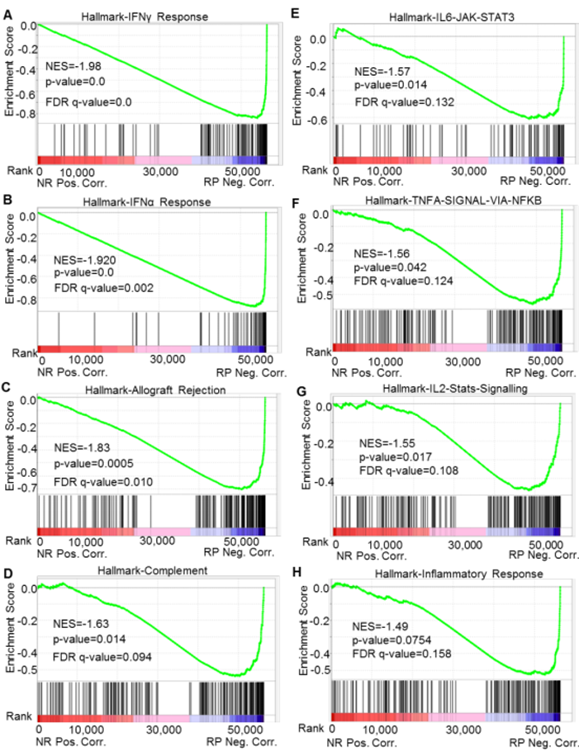
Although immunotherapeutics like immune checkpoint inhibitor (ICI) therapy have greatly improved survival rates, death rates of melanoma still remain high. One of the reasons for this is that the solid tumor microenvironment creates obstacles for the effectiveness of anti-PD1 immunotherapy in patients. Therefore, it is crucial to identify potential biomarkers that could be used in combination therapy with anti-PD1 to modify the tumor microenvironment and enhance response to treatment. In this study, we examined clinical and tumor transcriptional sequencing data from 91 patients who received anti-PD1/anti-CTLA4 therapy. Through both bulk RNA sequencing analysis and single-cell RNA-sequencing (scRNA-seq), we discovered that 8 key pathways were upregulated in patients who responded well to the therapy. Interestingly, these pathways were found in myeloid and T cell populations, indicating their significant role in response to anti-PD1/anti-CTLA4 therapy. Among these pathways, genes such as IRF1, IRF2, C1, and C3 emerged as potential biomarkers that could potentially enhance the effectiveness of ICIs therapy. Further clinical research is required to validate the impact of these genes. The novelty of this study lies in the combination of bulk RNA sequencing and single RNA sequencing methods, which allowed us to uncover distinct differences in the transcriptomic landscape of solid tumors, particularly melanoma.
Show more
Read Article PDF
Cite
Research Article Open Access
Changes in intrinsic excitability of hippocampal pyramidal cells in Parkinson’s disease model
Article thumbnail
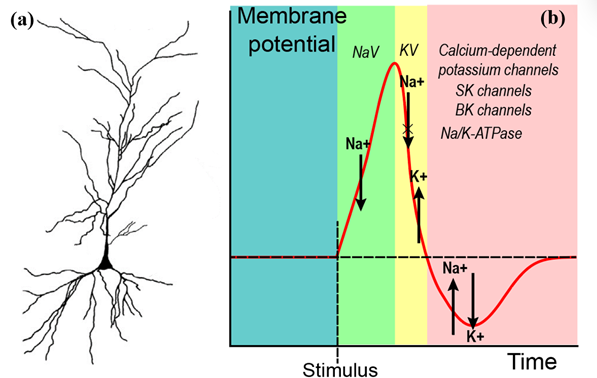
Parkinson’s disease (PD) is the second most common fatal neurodegenerative disease in the world, and it reduces patients’ quality of life by causing movement disorders (e.g., tremors, muscle stiffness, and impaired balance) and non-motor disorders (e.g., depression, anxiety, and dementia). Previous research has mostly concentrated on dopamine-producing neurons in the substantia nigra compacta (SNc) that are dying off, which restricts therapeutic options and renders the search for disease-modifying therapies fruitless. In order to make a breakthrough, pathological changes in other brain areas deserve more attention. Previous PD studies reported atrophy in the hippocampus, an indispensable part of spatial and temporal memory formation. To answer the question of the cellular mechanism of hippocampus atrophy, this paper intends to research previously uncharted hippocampal intrinsic plasticity alterations. After analysing intercellular recordings of pyramidal neurons gathered from normal mice and genetically engineered PD mice, this paper demonstrates disparities in the intrinsic factors not noted in the previous research, such as peaks and afterhyperpolarization. These findings represent a progressive advancement in our comprehension of hippocampal pyramidal neurons, indicating potential therapeutic targets for Parkinson’s disease treatment via SK channels, BK channels, and sodium channels.
Show more
Read Article PDF
Cite
Research Article Open Access
Unveiling the evolutionary significance: Atavism’s transition from ancestral traits to a fundamental biological phenomenon
This essay delves into the nuanced concept of atavism, tracing its evolution from the abrupt manifestation of ancestral traits in wild populations to a pivotal element in contemporary biology. Explored through recent studies such as the Atavism Theory of Cancer, Single-Cell Atavism of Cnidocytes, and Atavism in the Developmental Polarity of Chicken Limb, this research reveals atavism’s journey from speculative fiction to empirical reality. By scrutinizing cancer as a series of atavistic changes, experimental atavism at the single-cell level, and the atavism observed in avian limb development, the essay proposes that atavism offers fresh perspectives on evolution, adaptation, and the dynamic reuse of gene reservoirs. This study underscores atavism’s transition into a tangible and crucial component of ecological and developmental biology, providing insights that traverse disciplinary boundaries and deepen our comprehension of the natural world.
Show more
Read Article PDF
Cite
Research Article Open Access
Role of dopamine in regulating microglia inflammatory responses through TLR4-NFκb pathway
Article thumbnail
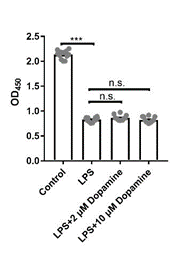
Parkinson’s disease (PD) is a prevalent neurodegenerative disorder that affects a significant portion of the population. One of its distinguishing features is the gradual loss of dopaminergic cells in a specific region of the brain known as the substantia nigra. In recent years, researchers have uncovered that neuroinflammation facilitates the developmental process of PD. Specifically, studies have shown that the activation of microglia, the brain’s immune cells, is closely linked to the levels of dopamine secreted by neurons. However, the influence of dopamine on activated microglia in PD has not been fully explored. In this study, we aimed to explore the impact of dopamine on activated microglia. To establish an activated microglia model, we used BV-2 cell lines and treated them with lipopolysaccharide (LPS) at a concentration of 200 ng/ml. Two separate groups were then exposed to dopamine at concentrations of 2 μM and 10 μM, respectively, to simulate dopamine treatment in the brain. To assess the effects of dopamine, we performed real-time PCR to measure the relative mRNA levels of pro- and anti-inflammatory cytokines, conducted immunofluorescent staining to observe and analyze the cell morphology, carried out a phagocytosis assay to assess the cell’s phagocytic ability, and conducted western blotting to identify the specific pathway through which dopamine affects microglia activation. Our findings revealed that dopamine can modulate the activation state of microglia and reduce the cell’s inflammatory responses via the TLR4-NFκB pathway. This suggests that dopamine has the potential to alleviate neuroinflammation in PD, opening up new avenues for future treatments and therapies.
Show more
Read Article PDF
Cite
Research Article Open Access
Gene expression controlled by stem cells and its relationship with cancer
Article thumbnail
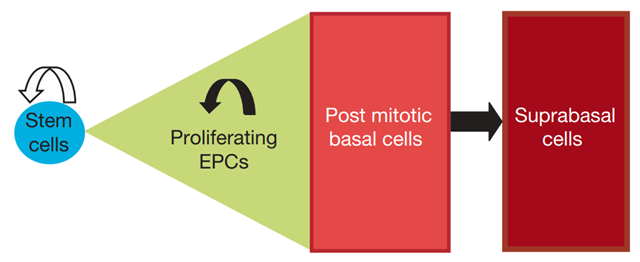
The stem cell is one type of cell that has a strong ability to differentiate and self-renew. It plays a vital role in the cell cycle and gene regulation. Also, due to its unique ability to self-regenerate, stem cells have the potential to produce medicines. In this article, it will talk about stem cells controlling the gene expression mechanism and focus on recent research that has revealed a relationship between stem cells and tumor cells, indicating a potential way to treat cancer, and cancer stem cell theory showing the similarity between the stem cell and the cancer cell at the starting point which gives birth to the tumor such theory gives a new understanding towards the existence of cancer. Another important subject about stem cell is mesenchymal stem cells (MSC), which is one type of stem cell that is focused and well-studied due to its owning of enormous clinical application potential.
Show more
Read Article PDF
Cite
Research Article Open Access
Application of CRISPR-Cas technology in food safety
Article thumbnail
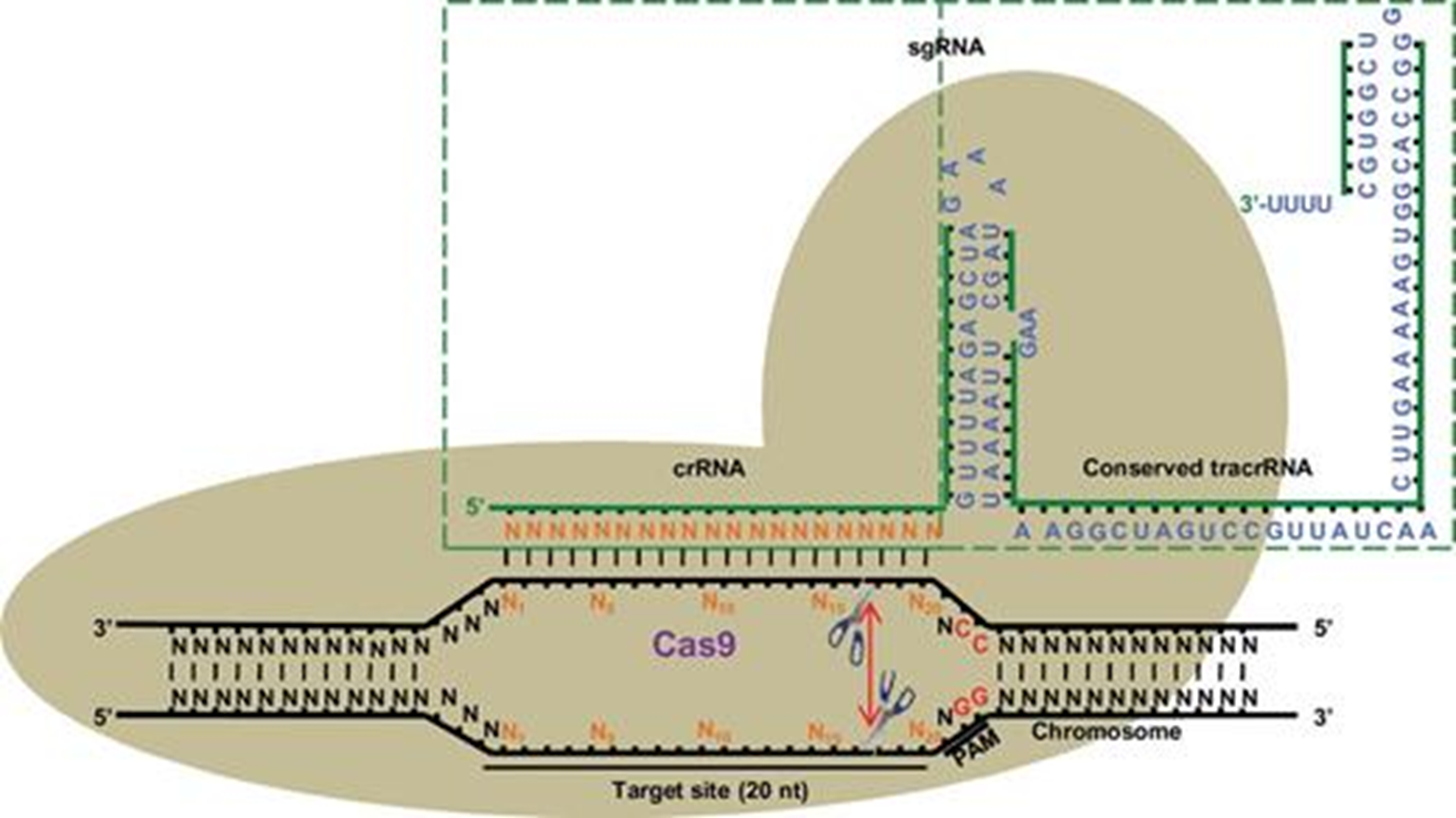
Food safety has become one of the most important public health issues in the world. Safety, nutrition, and food security are all interdependent. Unsafe food contributes to a cycle of illness and starvation that disproportionately affects young children, the elderly, and the ill. Therefore, it is essential to develop tests that are quick, efficient, and reliable. The CRISPR/Cas system is a bacterial acquired immune system that attacks invading DNA, plasmids, and phages. Genome editing using CRISPR/Cas offers new opportunities for plant breeding. Compared to animal cells, plant cells have rigid cell walls, making it challenging to deliver genome editing tools into plant cells. When using plants for industrial purposes, transgene insertion into the genome should be avoided. Therefore, delivery of Cas-gRNA ribonucleoprotein (RNP) into plant cells is preferred. This review proposed a novel RNP delivery strategy in rice and introduced a technology: whisker technology (commonly used for plant DNA delivery) to deliver RNPs into rice. This review also discussed ultrasound-assisted whisker technology via RNP management, combined with marker gene delivery, to identify genome editing events in rice decay cells in the absence of any other events, albeit at a lower frequency. Therefore, utilizing whiskers to generate RNP-based genome editing lineages in plants may be an attractive strategy.
Show more
Read Article PDF
Cite
Research Article Open Access
Vaccine innovations and potential targets of breast cancer
Breast cancer is a concerning worldwide disease that is fatal. Although treatments had been developed over the past, prevention was still on the road of discovery. There are still no vaccines that have been approved for treatment or prevention by the year 2023. In this review, the feasibility of two types of vaccines and potential targets was assessed, with links to future paths of breast cancer vaccine investigations. Messenger RNA (mRNA) vaccine and a tissue-specific self-protein -Lactalbumin vaccination are two types of potential vaccines facing towards breast cancer with different pathogenesis of overexpression in HER2 or the -Lactalbumin. Sufficient research had been done on the mRNA vaccines showing HER2 as a potential target that shows the most positive result in vaccine clinical trials. Research on -Lactalbumin were less compared to mRNA vaccines, but the results showed that -Lactalbumin was immunogenic enough to induce effective tumor immunity in healthy adult women.
Show more
Read Article PDF
Cite
Research Article Open Access
Current common prodrug delivery methods and biochemical property
Prodrugs are pivotal in overcoming drug delivery and absorption challenges. These bioreversible derivatives are strategically designed to address medicines’ poor bioavailability and administration constraints. Prodrugs offer versatile solutions for various delivery methods, including oral, dermal, nasal, and central nervous system (CNS) routes and tumor targeting. This literature review aims to summarize several prodrugs delivery methods. The report also focuses on the common concepts of prodrug design. The utilization of prodrugs also includes innovative strategies, such as receptor-mediated internalization and responsive drug release, demonstrating promising outcomes for cancer therapy. The application of prodrug methods is comprehensive. Prodrugs emerged as a universal approach to improve drug administration and absorption, with their applications spanning diverse medical contexts. By tailoring prodrugs to specific delivery routes and addressing unique challenges, researchers open avenues for more effective and targeted therapies. Further exploration and optimization of prodrug strategies hold the potential to revolutionize drug delivery in clinical settings. Although prodrugs have many advantages, there are still many possible future improvements. Many diseases or target organs still need help applying prodrugs even though the current drug design needs this technology for administration. Future research should focus on the lack of chemical stability, including considering the balance between aqueous solubility and lipophilicity. Also, the elimination of the formation of degradation by-products or the design of acceptable metabolism pathways is another aspect that should be considered.
Show more
Read Article PDF
Cite
Research Article Open Access
A comprehensive review of effects of linguistic distance in bilingual aphasia
This literature review synthesizes three seminal studies on cross-linguistic treatment effects in bilingual aphasia. The first study delves into the interplay between language proficiency and linguistic distance in treatment outcomes, revealing nuanced findings. The second study provides new insights into the role of language characteristics and typology in bilingual aphasia, shedding light on language processing and recovery patterns. The third study offers a meta-analytic perspective, emphasizing the impact of language similarity on linguistic competence in aphasic individuals. By integrating these studies, this review aims to present a comprehensive understanding of the complex relationship between linguistic factors and treatment efficacy in bilingual aphasia.
Show more
Read Article PDF
Cite