Articles in this Volume

Research Article Open Access
The pathology of type 2 diabetes mellitus and relevant treatments
Article thumbnail
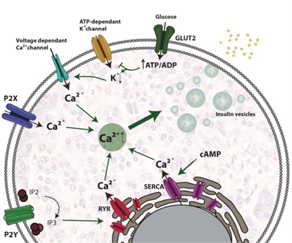
The prevalence rates of Type 2 Diabetes Mellitus (T2DM) continue to rise globally making it an urgent health concern warranting comprehensive examination closely scrutinizing pathophysiology causes symptoms management techniques as well as anticipated methods addressing how best to prevent or cure resulting complications. We know that T2DM is characterized by defective insulin secretion and tissues not responding adequately to treatment- a condition exclusively termed Insulin Resistance - which could influence both genetic predisposition or environmental factors like obesity or sedentary lifestyles. Increased morbidity indicators ranging from myocardial infarction peripheral vascular disease and stroke alike make timely diagnosis imperative. Lifestyle modifications offer optimal intervention possibilities for both preventing onset or long-standing concerns. A concentration on bolstering insulin sensitivity while halting progressive pancreatic β cell failure that common among T2DM patients is to enhance comprehensive and effective treatment plans. From the diversity of T2DM established in terms of its symptoms points to the need for targeted preventive procedures designed towards reducing cases in the future.
Show more
Read Article PDF
Cite
Research Article Open Access
Comparison of neurodermatitis management based on effectiveness and safety
Neurodermatitis, also known as atopic dermatitis or atopic eczema is the long-term inflammation in the skin. There are many different kinds of therapies without clear conclusions and recommendations as to which therapy is the most effective and safest. This paper aims to compare the effectiveness and safety of four commonly used therapies: steroid therapy, traditional Chinese medicine (TCM), Phototherapy, and habit reversal. The methodology used was through gathering/searching papers with keywords such as, “neurodermatitis management, atopic dermatitis, habit reversal, steroid therapy,” and comparing the effectiveness and safety of the varying therapies. The results showed us that studies concerning the different therapies should be explored and more therapies need data for us to come to a clear recommendation.
Show more
Read Article PDF
Cite
Research Article Open Access
Nutritional needs and dietary disease prevention measures of the elderly
In recent years, the phenomenon of population aging has become increasingly severe, and population aging and chronic diseases in the elderly have become a serious global challenge that must be addressed immediately. Due to deteriorating physiological functions, the elderly's metabolic rate has slowed, their ability to absorb and digest nutrients is poor, and their resistance to disease has progressively diminished. Therefore, the elderly should adhere to a rational and scientific diet to supplement the various nutrients their bodies require for optimal health. In this paper, the author examines the nutritional requirements of the geriatric and the diseases associated with nutritional deficiencies, such as osteoporosis, hyperglycemia, stomach diseases, intestinal diseases, and dental diseases, among others. Suitable preventative measures are also proposed, which can strengthen the dietary structure of senior citizens in China, improve their health, and reduce their risk of chronic diseases to a certain degree.
Show more
Read Article PDF
Cite
Research Article Open Access
Analysis on endoplasmic reticulum stress in the cancer cells
Article thumbnail
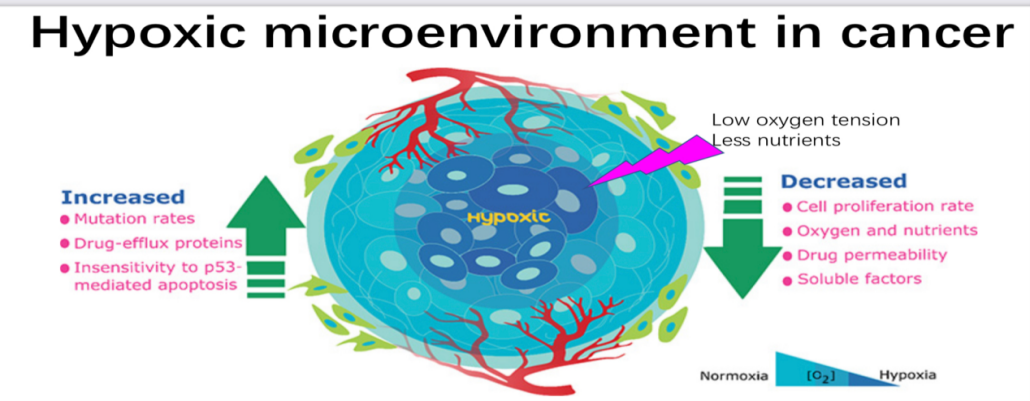
One consequence of being in a low-oxygen environment is endoplasmic reticulum (ER) stress, and the unfolded protein response (UPR) is one mechanism to alleviate this condition. In recent years, numerous researchers have proposed employing the UPR in cancer therapy. Apoptosis of cancer cells can be induced by targeting the UPR in a variety of ways. This can be triggered by a number of drugs, some of which induce ER stress while others suppress the unfolded protein response and hence cause death in cancer cells. Through a literature review and analysis, this paper will discuss ER stress in a hypoxic microenvironment, the role of the unfolded protein response in cancer cells, and the therapeutic targeting of the unfolded protein response's protective pathways in the treatment of cancer.
Show more
Read Article PDF
Cite
Research Article Open Access
Emerging role of immune therapy in treatment of neurodegenerative diseases
Neurodegenerative disorders, a category of illnesses that develop as neurons gradually become defective and eventually die, including Alzheimer's disease (AD), Parkinson's disease (PD), and Huntington's disease (HD). Slowly progressing neurodegenerative disorders are accompanied by cognitive decline and functional impairment, significantly burdening individuals and society. At present, clinical treatment is still mainly symptomatic support. The incidence rate has been rising in recent years, and there is a trend toward younger age, which has a negative impact on people's physical health and quality of life. The worldwide burden will continue to increase as the population of the elderly grows, with latent impacts due to prolonged disease durations and changing environments. Unfortunately, such disorders are still untreated because of their complicated pathophysiology. The primary goals of current therapies are to reduce disease symptoms and halt disease progression. Pre-clinical studies for therapeutic methods for AD, PD, and HD have shown promise for AAV intraparenchymal injections and cerebrospinal fluid (CSF) delivery. While CRISPR/Cas9-mediated approaches have been employed to develop disease models, identify pathogenic genes, elucidate pathogenesis mechanisms, and as a potential therapeutic approach. This review not only systematically introduces the current situation and diffuse subsets of neurodegenerative diseases, but also discusses treatments for neurodegenerative diseases.
Show more
Read Article PDF
Cite
Research Article Open Access
Application of brain computer interface in rehabilitation medicine
The definition of a brain-computer interface can be thought of as a brain version of a computer, making our brains more digital. Brain computer interface involved fields artificial intelligence, rehabilitation and bioengineering, and it is of great significance to promote the development of rehabilitation medicine. This essay introduces the working principle of brain computer interface. Some key techniques of BCI design are discussed from the aspects of system design, data acquisition method and processing. Finally, some major problems and future development trends are pointed out.
Show more
Read Article PDF
Cite
Research Article Open Access
The effects of functional cereal rich in beta-glucan on cardiovascular health
Article thumbnail
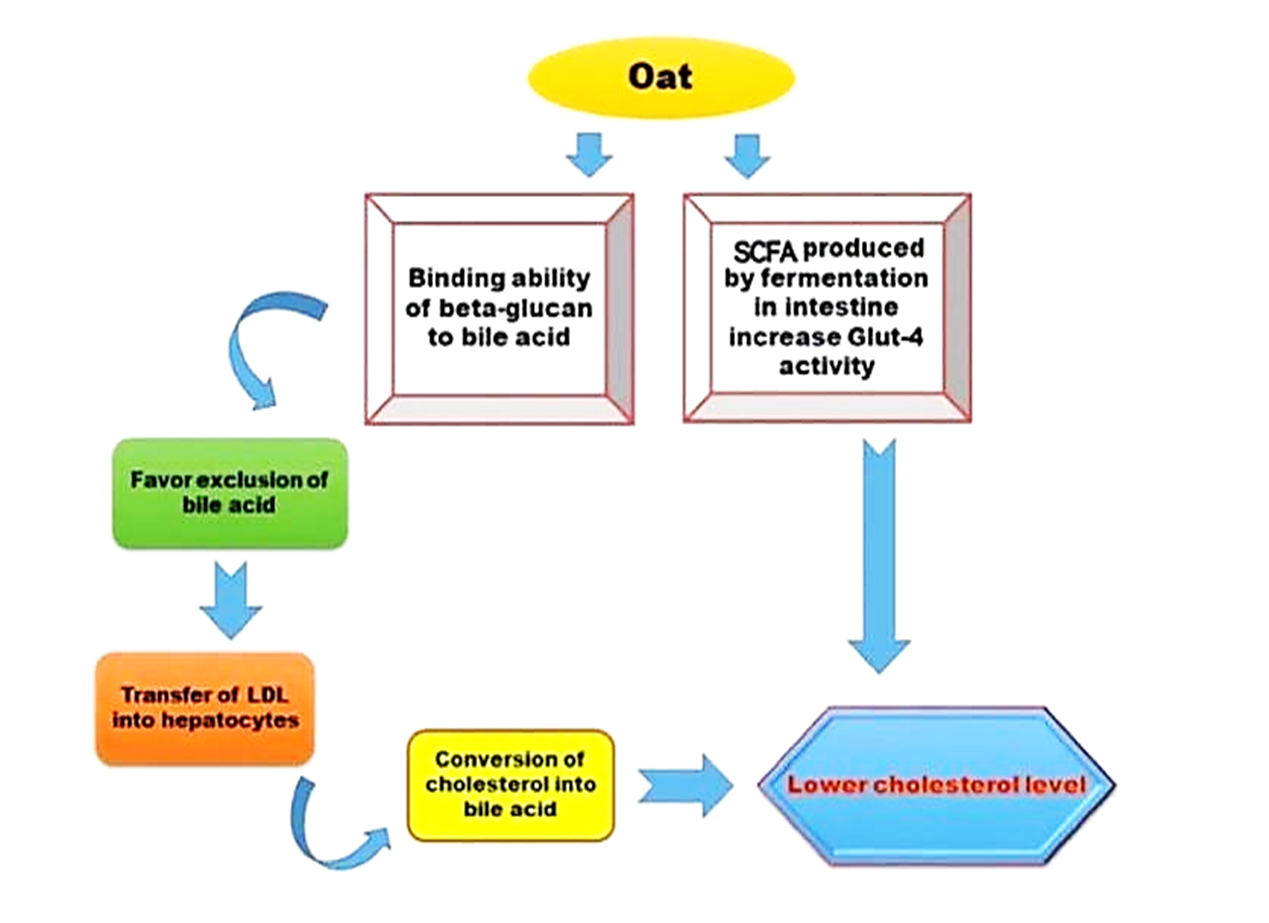
The prevalence of cardiovascular and cerebrovascular diseases remains a global health concern. Lifestyle modifications, including dietary modifications, have been identified as viable risk reduction strategies. This study seeks to evaluate the potential benefits of beta-glucan-rich functional cereals, such as Uncle Toby’s Oats, in reducing the risk of these diseases. Beta-glucan is a soluble fiber known for its cholesterol-lowering properties, and beta-glucan-rich functional cereals provide a convenient way to incorporate this healthful nutrient into daily diets. This study compares the nutritional profile of Uncle Toby’s Oats, a representative beta-glucan-rich functional cereal, to that of other common breakfast options, such as Rice Bubbles cereal and Vegemite on toast, based on calorie content, macronutrient distribution, and the presence of essential vitamins and minerals. It is anticipated that the results of this study will contribute to public health recommendations for dietary interventions intended to reduce the risk of cardiovascular and cerebrovascular disease.
Show more
Read Article PDF
Cite
Research Article Open Access
Research on the symptoms, causes, and available treatments of narcolepsy
Article thumbnail
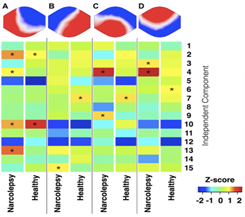
The classic tetrad of hypnagogic hallucinations, cataplexy (sudden bilateral loss of muscle tone), excessive daytime sleepiness, and sleep paralysis characterizes narcolepsy, a chronic sleep disorder. Narcolepsy affects 0.05 percent of the population. It lowers the quality of life for those who have it and can prevent them from engaging in certain occupations and pastimes. Therefore, this paper focuses on the symptoms, causes, and available treatments of narcolepsy. Through literature reading and analysis, it can be concluded that narcolepsy with cataplexy is caused by disruptions in signals within the central nervous system and a lack of hypocretins. There is currently no known cure for narcolepsy, and medication along with lifestyle modifications is the basis of therapy. Moreover, several innovative therapies are being created and tested.
Show more
Read Article PDF
Cite
Research Article Open Access
Research progress and preventive strategy of HPV and cervical cancer and other related cancers
This paper comprehensively reviews the research on the relationship between HPV and cervical cancer and other cancers and expounds the pathogenesis of cancer caused by HPV and its negative impact on the body. The screening methods and their effectiveness are reviewed, and the relevant research and latest developments of vaccines are summarized. First, the basic knowledge about HPV (including the structure and typing of the virus and the mechanism of infection of the virus) is introduced, and the screening method and its effectiveness are explored. Furthermore, the relationship between cervical cancer and HPV infection (including the mechanism of occurrence, the type of virus that causes cervical cancer, and the characteristics after infection) is discussed emphatically. Subsequently, the relationship between HPV infection and other cancers (including the mechanism of infection, classification and post-infection characteristics) was further explored, such as oral cancer, anal cancer, and reproductive organ cancer (except cervical cancer that has been introduced above). In the end, the current research results on HPV prevention and the challenges to be met from the current point of view are summarized, and the outlook and some suggestions for the research direction of future vaccines are made.
Show more
Read Article PDF
Cite
Research Article Open Access
Bacteria in the cancer therapy
Human has been fighting with cancer for 130 years since the first tumor radical surgery in 1884. During this 130 years of cancer treatment history, there has developed mainly 4 types of treatment, chemotherapy, radiotherapy, surgery and immunotherapy. .However all of these treatment have their own side-effect, including the harm to normal cells, high cost, long developing time. And traditional cancer treatment are often failed to eliminate all the tumor tissue so few patients can be cure completely. Developing an effective cancer treatment is still a challenge. Luckily, a special approach is developing rapidly which is called bacteriotherapy. It can be combined with traditional treatment like chemotherapy and immunotherapy, use bacteria as a vector to deliver the drug or tumor suppressing gene to the tumor. In this way, the effect of harming normal cells can be reduce and the accuracy of attacking tumor can be improved. There are also tumor-specific bacteria found living in tumor which can be effective in cancer treatment. How to use bacteria well in cancer treatment is remain a challenge. This article reviewed the advantages of using bacteria for cancer treatment and the mechanism of bacteria in cancer treatment, giving example of the use of intestinal bacteria, involving the challenge and future of bacteriotherapy.
Show more
Read Article PDF
Cite