


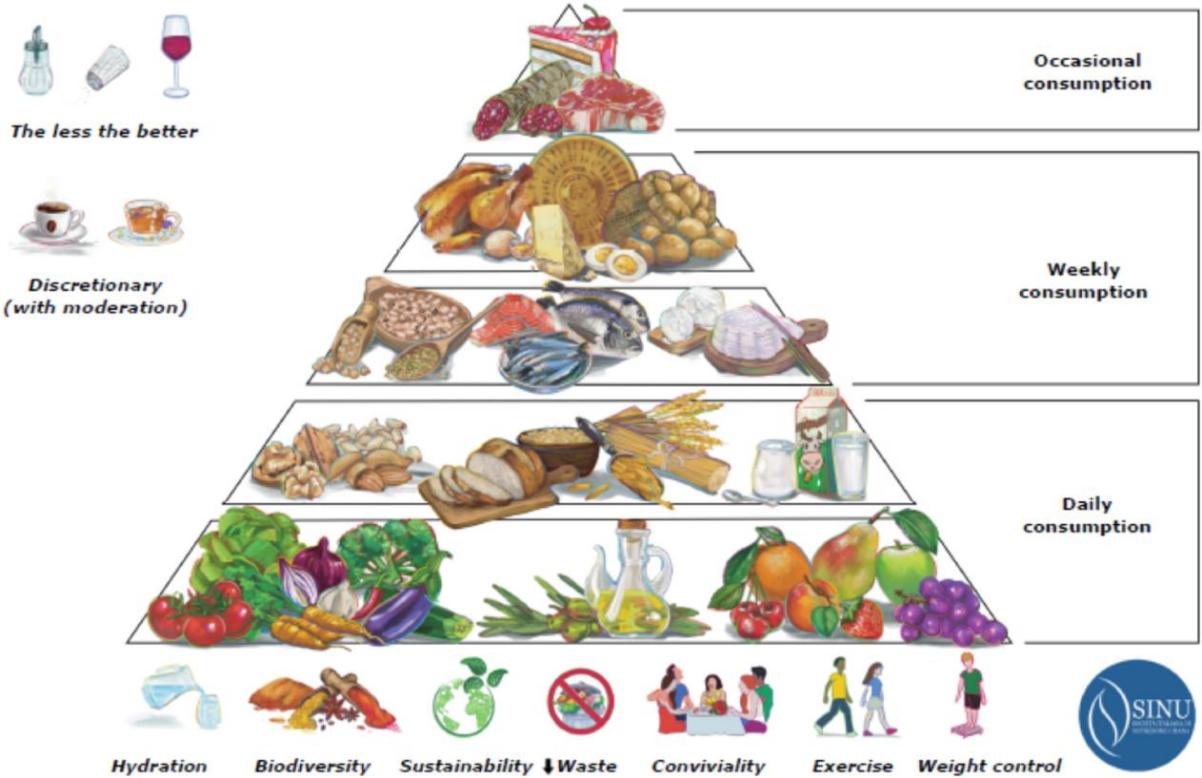
Type 2 diabetes mellitus (T2DM) is a major global public health crisis. It is featured by insulin resistance and chronic hyperglycemia, leading to serious complications, and current clinical treatments only relieve symptoms but cannot cure it. Recent research has shown that the Mediterranean diet (MD) is a promising way for T2DM prevention and management, and its role in regulating metabolic disorders has become a research focus. This review analyzes the core nutritional features of the MD and its regulatory effects on T2DM. It finds that the MD can balance gut microbiota, reduce chronic inflammation and oxidative stress, improve glycemic and lipid metabolism, and enhance pancreatic β-cell function and insulin sensitivity in T2DM patients. Clinical evidence also proves that the MD boosts patients’ quality of life and has more advantages than conventional diabetic diets in long-term adherence and metabolic regulation. The MD provides a new nutritional intervention method for clinical T2DM management, offering evidence-based references for clinical practice. However, existing studies lack long-term follow-up data on diabetic complications and have insufficient research on the MD’s cross-cultural adaptability and the synergy of its components. Future research should focus on personalized nutritional plans, long-term outcomes of complications and culturally adapted MD protocols. It is also necessary to explore the combined use of the MD with hypoglycemic drugs to better benefit T2DM patients worldwide.