Articles in this Volume

Research Article Open Access
Research Progress on Drought Resistance of Soybean under Drought Stress
China is the world's largest customer of soybeans which supports its national food and agriculture. However, China's domestic industry remains under severe bottlenecks such as low yield per unit area and sensitive to pests and diseases. Drought has become one of the primary environmental pressures that severely limits soybean growth, physiological metabolism, and finally seed yield and quality. The investigation of the molecular basis of drought resistance and identifying key genes of resistance is becoming a critical prerequisite for supplying a stable supply of soybean. Increased drought tolerance by genetic means is an effective means to mitigate production risks and is an important prerequisite for sustainable agriculture. This review reviews the physiological and biochemical influence of drought stress on soybean agronomic traits and summarizes current research on drought-responsive genes, quantitative trait loci and underlying molecular regulatory networks. By summarizing recent development, this review could provide a model and guidance for future studies on genetic improvement of drought tolerance, discovering new genes and discovering more complex mechanisms of resistance.
Show more
Read Article PDF
Cite
Research Article Open Access
Emerging Cure-Oriented Anti-HIV Therapies: Mechanisms, Bottlenecks, and Prospects of CAR-T and EMT-Cas12a
Article thumbnail
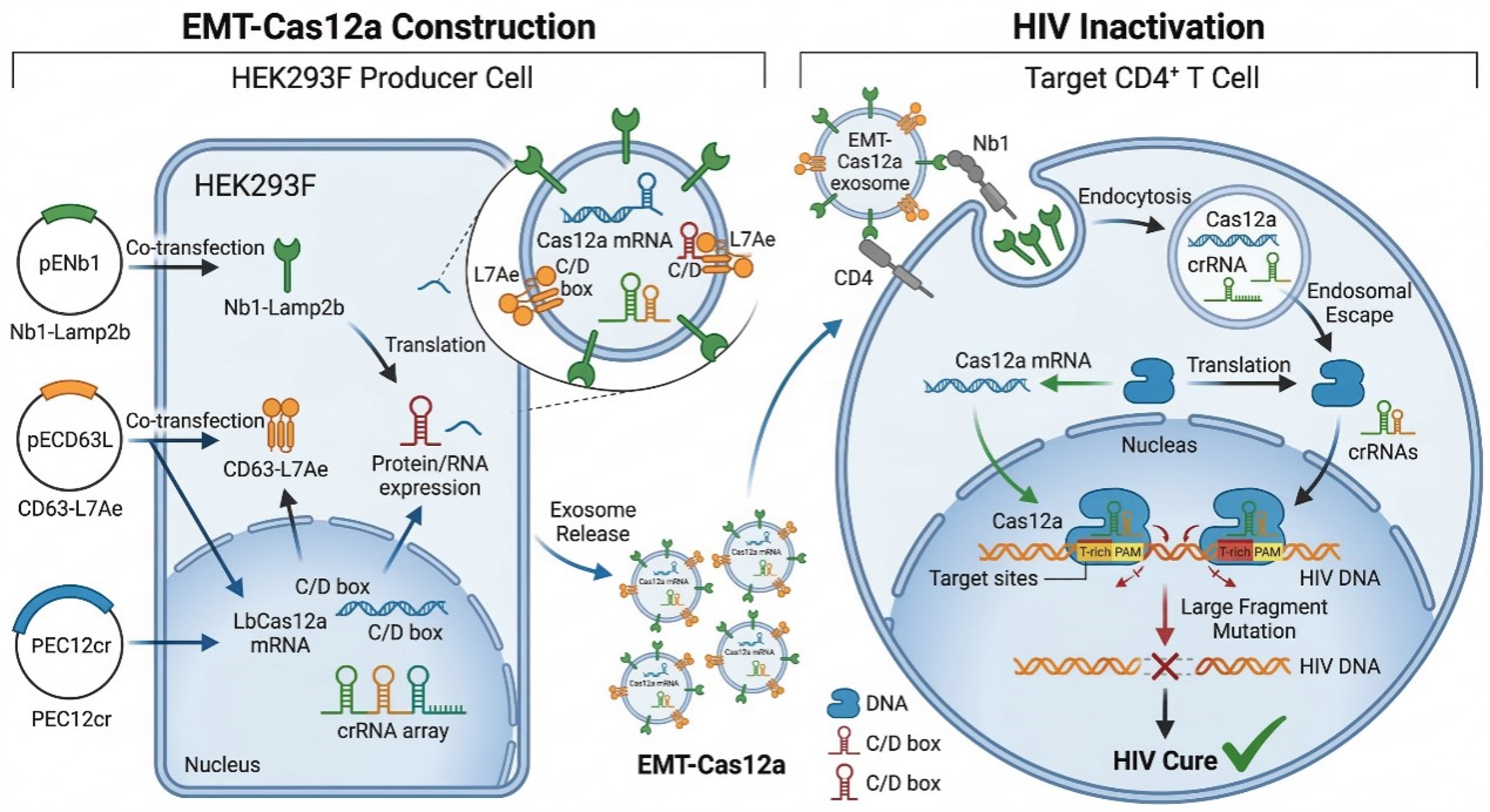
This review systematically carries out a summarization on two forward-position methods for the function cure of HIV, that is, Anti-HIV Chimeric Antigen Receptor T-Cell Technique and Exosome-Mediated Targeted CRISPR-Cas12a Delivery System. Be different from conventional antiretroviral therapy (ART), which requires lifelong drug taking and cannot eliminate the latent virus storage bank, these newly appeared technologies target to kill the virus at its origin itself. Concretely speaking, EMT-Cas12a utilizes artificial modification exosomes to carry gene editing instruments that directly cut and remove HIV proviral DNA, and CAR-T technique carries out secondary modification on T cells so that they can accurately recognize and crack infected cells. Although these two methods have huge potential in eliminating virus storage pools, at present both approaches are facing clinical bottlenecks, which include vector safety risks, non-target toxicity, and the difficulty of arriving at deep latent reservoirs. For getting over these obstacles, researchers are always making these treatments better through creating new carrier tools and adding safety switch devices and high-accuracy editing systems, hence thus laying an important foundation for the final target of a complete HIV cure.
Show more
Read Article PDF
Cite
Research Article Open Access
Optimization of Fermentation Processes by the Combined Application of Genetically Engineered Strains and Enzymes
Article thumbnail
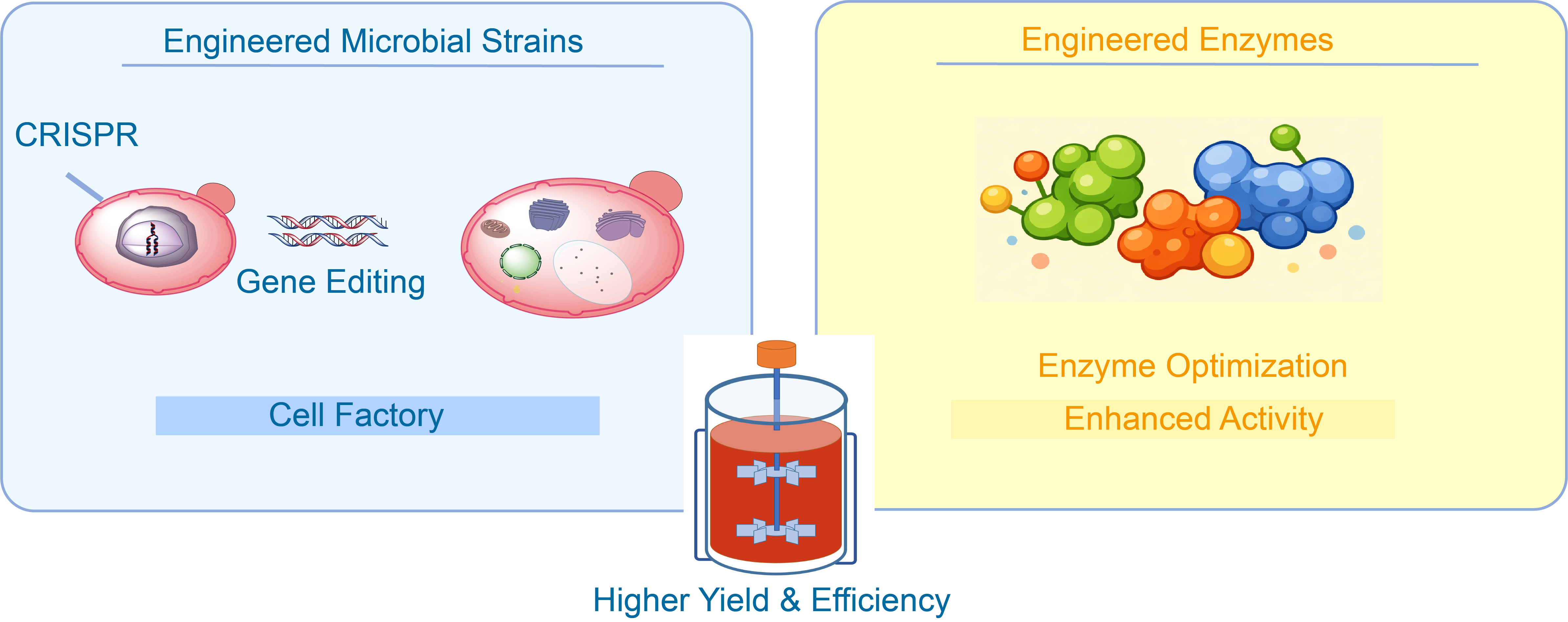
The efficiency and economic viability of industrial fermentation have always been key concerns in biomanufacturing. Traditional fermentation technologies are limited by the metabolic capacity of microorganisms and the catalytic efficiency of key reaction steps, leaving limited potential for overall improvement. In recent years, however, the rapid advancement of genetic engineering and protein engineering has opened up new opportunities in the field of microbial fermentation. Genetically engineered strains and enzymes are two critical components in industrial fermentation, and the potential for their collaborative optimization is very large. Genetically engineered strains are the "brains" which can be transformed into "cell factories". Enzymes are highly efficient and precise "molecular machines", responsible for driving specific biochemical reactions. The combination of genetic engineering and enzyme engineering is not merely a focus on a single technology; rather, it involves cross-systemal collaborative optimization in terms of function and time-space. This article will comprehensively summarize the latest research progress of the joint strategies of the two, and through this strategy, it will reveal the mechanisms for increasing product yield, high selectivity, and high process efficiency in fields such as biofuels, high-value chemicals, food, and medicine. At the same time, we will objectively discuss the host metabolic burden, difficulties in process scaling-up, and industrial stability issues of this strategy. This article also looks forward to the trend that the fermentation process will gradually become intelligent, integrated, and green under the drive of artificial intelligence and synthetic biology.
Show more
Read Article PDF
Cite
Research Article Open Access
BF Parvalbumin Neurons as Emergency Switches: Linking Arousal from Sleep and Negative Learning
Rapid arousal from Non-rapid Eye Movement (NREM) sleep is a fundamental survival mechanism that allows animals to respond to life-threatening conditions. Recent studies have demonstrated that the Basal Forebrain (BF) plays a crucial role in regulating cortical activation, and Parvalbumin (PV) neurons are key in amplifying information and facilitating rapid wakefulness. Research used optogenetics, EEG/EMG recording, and stimulus paradigms to demonstrate that BF-PV neurons produce fast, transient arousal. In contrast, inhibiting BF-PV neurons would diminish responses to both internal and external threats.Recent research has expanded the role of BF-PV neurons beyond arousal, demonstrating that they are also crucial in the processing of negative learning and aversive experiences. Moreover, BF-PV neurons may contribute to sleep disturbances, such as nightmare-inducing awakeness, hypervigilance caused by stress, and physiological arousal triggered by emotional or metabolic stress.  This paper will review the function of BF-PV in regulating sleep-wake cycles, responding to internal (hypercarbia) and external (auditory stimuli) threats, and mitigating negative learning. It will also explore new directions of BF-PV potential involvement in nightmares, emotional stress, and physiological responses, such as post-exercise heightened arousal.
Show more
Read Article PDF
Cite
Research Article Open Access
Enhancing Crop Resilience: Breakthroughs in Drought and Salt Stress Tolerance Breeding
Article thumbnail
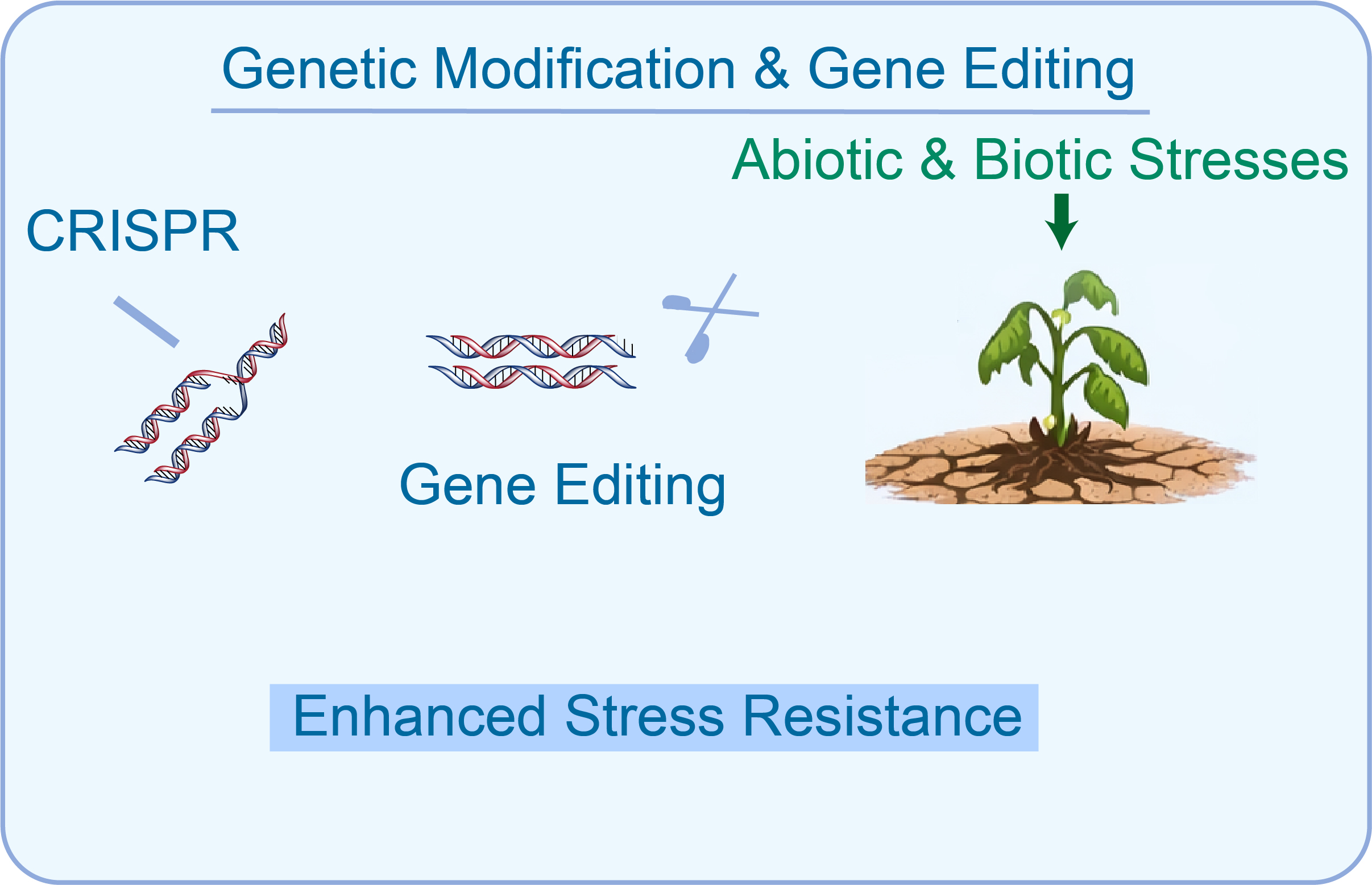
In recent years, with the increasing frequency of natural disasters around the world, the pressure on agricultural production is also increasing. Drought and soil salinization caused by natural disasters have become the main obstacles to agricultural development, which have a serious impact on human life and production. Drought changes the growth pattern of crops, affects their metabolic process and stress resistance, and has a significant impact on the growth and yield of crops. Salt stress can cause oxidative damage, which ultimately leads to a substantial decrease in crop yield. Cultivation of drought - and salt-tolerant crops can increase arable land area, ensure food security and high yield, and improve the ecological environment to meet the requirements of sustainable development. This paper mainly discusses how to improve drought and salt tolerance of crops, including how to adapt root system, how to regulate stomatome, how to improve water use efficiency, and how to absorb and transport salt. Moreover, the role of marker-assisted selection (MAS) and CRISPR/Cas9 gene editing technology in the development of drought - and salt-tolerant crops was highlighted. Gene editing technology provides us with accurate methods for crop improvement, but it still faces some challenges, such as the difficulty of co-editing multiple genes and the failure of modification caused by off-target effects. Looking ahead, with the combination of genomics and smart farming technologies, the cultivation of drought - and salt-tolerant crops will continue to advance, helping us to address global challenges such as climate change and soil degradation.
Show more
Read Article PDF
Cite
Research Article Open Access
Research Progress in Diabetic Encephalopathy
Diabetic encephalopathy is mainly characterized by cognitive dysfunction, impaired decision-making ability, and emotional abnormalities. Diabetes-related cognitive dysfunction (DRCD) can affect patients' daily living abilities, induce severe mood swings and personality changes, and lead to the loss of some language, learning, cognitive, and living skills in affected individuals. Clinically, DRCD can be classified based on the severity and pathogenesis of the disease. Multiple factors have been identified as risk factors for DRCD in diabetic patients, including gender, age, genetic background, obesity, hypertension, hyperlipidemia, visual and hearing impairments, olfactory dysfunction, alcoholism, smoking, vascular lesions, abnormal blood glucose levels, and depression. Biomarkers associated with DRCD include the Aβ42/Aβ40 ratio, phosphorylated tau protein at serine 181 (p-tau181), amyloid β-protein 42 (Aβ42), phosphorylated tau protein at threonine 205 (p-tau205), microtubule-binding region tau-243, total tau protein, and glial fibrillary acidic protein (GFAP).Both pharmacological and non-pharmacological interventions have been shown to alleviate symptoms of DRCD and delay the progression of mild cognitive impairment to dementia.
Show more
Read Article PDF
Cite
Research Article Open Access
From Physiological Stress to Dietary Intervention: Nutritional Strategies for Lowland Migrant Workers at High Altitude
With the continuous cross-regional flow of the labor force, large numbers of migrant workers from low-altitude regions are entering high-altitude areas to engage in high-intensity physical labor. Due to the lack of long-term genetic and physiological adaptation to hypoxic environments, this population faces pronounced physiological stress. This paper systematically reviews the effects of high-altitude exposure on metabolism, circulation, and oxygen utilization, covering key changes such as metabolic remodeling, increased cardiovascular load, and enhanced oxidative stress, and building on these findings, elucidates the specific requirements of plateau workers for carbohydrates, high-quality protein, iron, and antioxidant nutrients. On this basis, by integrating the traditional food resources and dietary cultures of the Tibetan Plateau, the Andean Plateau, and the Ethiopian Plateau, this paper proposes region-specific dietary strategies that can leverage the advantages of local food resources while compensating for nutritional shortcomings, including fortification of local staple foods, improvement of protein quality, and enhancement of antioxidant supply. This study aims to construct a nutritionally supportive framework with local adaptability and physiological specificity for enterprises operating at high altitude, providing a foundation for improving workers' health status and work performance.
Show more
Read Article PDF
Cite
Research Article Open Access
Molecular Mechanisms of Tumor Metabolic Reprogramming and Progress in Bioinformatics Research
Article thumbnail
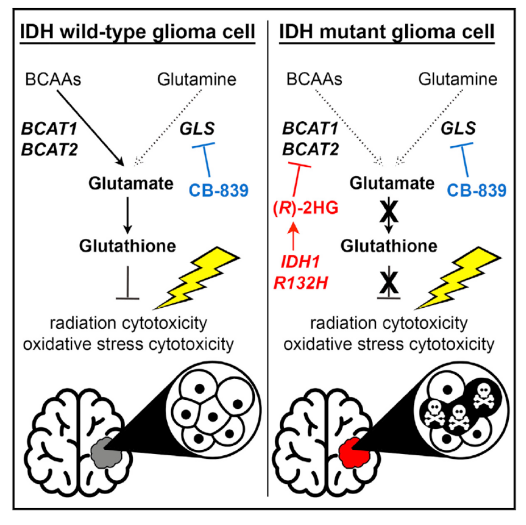
Tumor metabolism reconstruction is a core marked feature of malignant tumors, which is characterized by overall rebuilding of energy metabolism, biological synthesis, and oxidation-reduction balance. This review, in a systematic way, makes a summary of the molecular foundation of important pathways which include glycolysis, mitochondrion metabolism, glutamine-pushed anaplerosis, fat metabolism, and one-carbon metabolism. We further carry out division on hierarchical control mechanisms that are intermediated by signal–transcription axes, for example hypoxia-inducible factors (HIFs), MYC, the PI3K–AKT–mTOR pathway, and AMP-activated protein kinase (AMPK). In addition, we carry out discussion on metabolite-mediated mutual communication and immunity-suppressing influences inside the tumor microenvironment (TME), hence we emphasize the core function of metabolites like lactic acid and kynurenine in metabolic interactions and immune escaping. From a clinical view angle, we carry out evaluation on the translational worth of metabolic phenotypes in imaging and liquid biopsy, summarize evidence from clinical tests of targeted metabolic agents (e.g., glutaminase blocking agents and IDO1 blocking agents), and carry out analysis on treatment heterogeneity and combination-treatment difficulties. At last, we make a summary of recent advancement in bioinformatics methods—including integration of multiple omics, metabolomics pathway analysis, and transcriptome-based co-expression networks—for depiction of metabolic heterogeneity, finding targets that drugs can act on, and forecasting the reaction of treatment. We put forward that future researches should keep on pushing forward metabolic flux verification, space-time resolved metabolic measurements, and accurate layering strategies to help the transformation of metabolic targeting from concept verification to clinical meaningful benefits.
Show more
Read Article PDF
Cite