Articles in this Volume

Research Article Open Access
Chemical Modulation of Tumor Cell Death Pathways and Research Progress
Article thumbnail
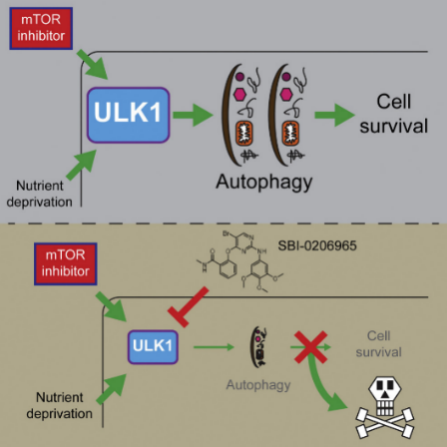
Regulated cell death (RCD) pathways function as interlinked networks, not isolated modules, presenting new chances for cancer treatment. This review focused on chemical modulation strategies for five major RCD pathways, namely apoptosis, autophagy - associated cell death, ferroptosis, pyroptosis, and cuproptosis. Druggable nodes and translational barriers are specifically emphasized. Intervention methods for each pathway are reviewed, and multi - pathway synergy is critically appraised. Compensatory crosstalk can be employed to improve the efficiency but also leads to toxicity risks. Primary translational challenges are the inadequacy of predictive biomarkers, the narrowness of therapeutic windows for emerging modalities, and the insufficiency of validation in immune - competent models. Apoptosis targeting has had clinical success in hematologic malignancies, but its effectiveness is limited in solid tumors because of compensatory buffering. Ferroptosis provides strategies to get past apoptosis resistance, and the translation to clinical use depends on biomarker - guided patient selection. Pyroptosis gives immunostimulatory vulnerabilities, while cuproptosis provides metabolic - selective ones. But both are dealing with systemic toxicity challenges that call for controllable induction ways. It is proposed that functional diagnostics, next - generation chemical tools, and network - aware trial designs be integrated to advance RCD modulation towards durable, mechanism - guided cancer therapy.
Show more
Read Article PDF
Cite
Research Article Open Access
Biomimetic Nanozymes for Toxicity Control
Article thumbnail
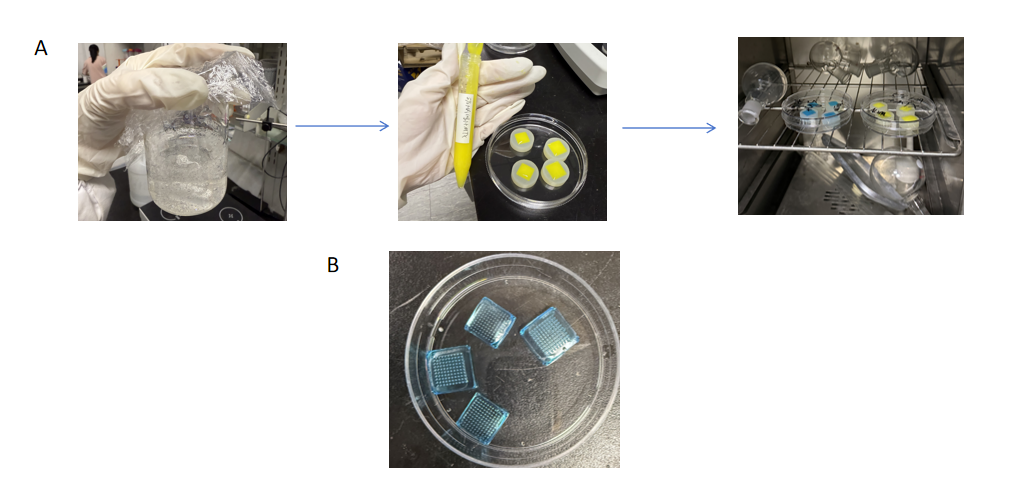
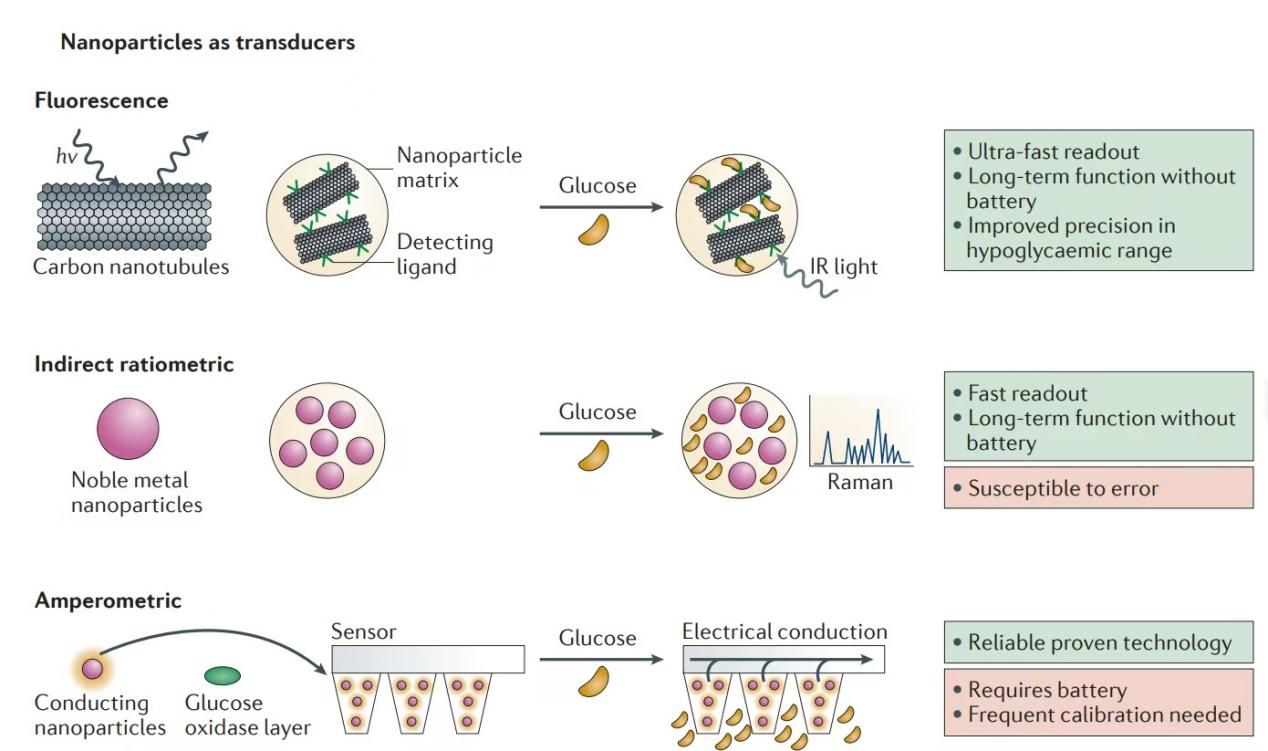
Biomimetic nanozymes are a class of artificial enzyme mimetics that integrate the intrinsic properties of nanomaterials, such as small particle size and large specific surface area, with the catalytic mechanisms of natural enzymes. They exhibit high catalytic activity, excellent stability, and tunable enzymatic performance, serving as stable and efficient alternatives to natural enzymes. This article reviews the application potential of biomimetic nanozymes in advanced drug delivery systems (DDS), with particular emphasis on their roles in overcoming the limitations of current intelligent DDS by enabling stimulus-responsive drug release. This includes responses to endogenous stimuli like pH (targeting the acidic tumor microenvironment), temperature, and glucose (for insulin regulation), as well as exogenous triggers such as light, electrical, and magnetic fields. In comparison with conventional drug delivery systems, these third-generation biomimetic nanozyme platforms enable precise targeting, on-demand release, reduced toxic and adverse effects, and enhanced therapeutic efficacy. Although challenges remain in terms of biocompatibility, biodegradability, response sensitivity and specificity, as well as clinical translation including large-scale manufacturing, biomimetic nanozymes demonstrate broad prospects in personalized therapy, closed-loop drug delivery systems, and toxicity monitoring.
Show more
Read Article PDF
Cite
Research Article Open Access
Therapeutic Mechanisms of Mesenchymal Stem Cells (MSCs) and Their Exosomes in Skeletal Muscle Disorders
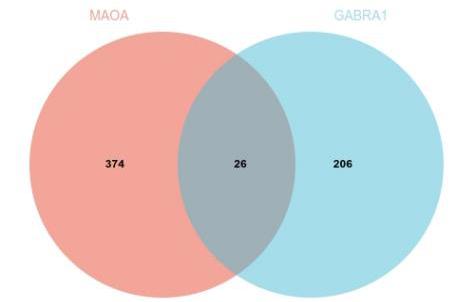
Skeletal muscle is crucial for daily activities, but various external risk factors can impair its normal physiological function, including aging, injury, and autoimmune disorders. Therefore, there is an urgent need for effective treatment interventions. MSC and mesenchymal stem cell-derived exosomes have great potential in the treatment of skeletal muscle-related diseases. This paper summarizes the therapeutic effects and potential mechanisms of MSCs and MSC exosomes in skeletal muscle-related diseases, including age-related sarcopenia (AAS), myasthenia gravis (MG), and rotator cuff injury (RCI). This paper mainly compares the efficacy and mechanism of MSCs and MSC exons in the treatment of skeletal muscle dysfunction, and explores the optimized pathways of MSC exons and MSCs in the treatment of sarcopenia. This study suggests that MSCs and MSC Exos exert therapeutic effects through multiple pathways, including anti-inflammatory, mitochondrial function enhancement, and apoptosis inhibition. This paper suggests that future research should explore drug treatment strategies that combine HUC MSCs and MSC Exos. The purpose is to explore the possible theoretical basis for the future application of MSCs and MSC Exos in the clinical treatment of skeletal muscle-related diseases, especially in the progression of sarcopenia, and to guide future related research to adjust treatment plans to adapt to patient progression and protect patients from the troubles caused by chronic diseases.
Show more
Read Article PDF
Cite
Research Article Open Access
Precision Risk Stratification Analyses and Measures of Respiratory Infections
Article thumbnail
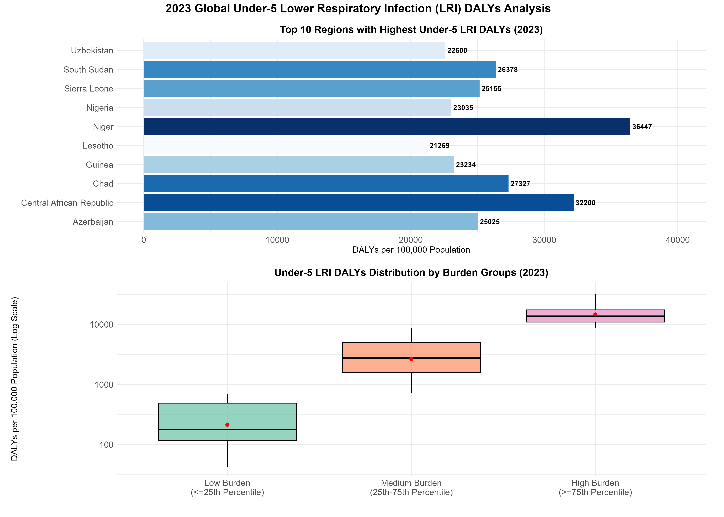
Respiratory tract infections are one of the leading causes of morbidity and mortality worldwide, with particularly significant disease burden in specific vulnerable populations, such as young children, older adults, and patients with chronic respiratory diseases. These groups serve as the high-risk populations for respiratory tract infections and their disease characteristics, risk factors, and prevention need exhibit distinct differences. For example, young children show higher viral infection rates, while older adults face greater risks from comorbidities. Most existing studies focus on a single population or a specific virus, lacking a systematic review across populations to identify overlooked similarities and differences. This study systematically synthesizes the epidemiological characteristics, key risk factors and management strategies for respiratory tract infections from recent studies in these three high-risk populations. This study may provide insights for understanding the disease characteristics of different populations, optimizing prevention and control practices, and inspiring future research on antibiotics, vaccines, and related interventions.
Show more
Read Article PDF
Cite