Articles in this Volume

Research Article Open Access
Transgenerational Effects of Paternal Trauma: The Role of Sperm Long RNA in Modulating Adult Hippocampal Neurogenesis and Behavior in Offspring
Transgenerational epigenetic inheritance has emerged as a critical mechanism by which parental experiences can influence offspring phenotype. Yet, the specific molecular and neurobiological pathways are poorly known. Here, we investigated the transgenerational impact of parental psychological trauma on adult hippocampal neurogenesis (AHN) and its causal role in mediating behavioral pathologies in F2 offspring. Our hypothesis is that trauma-induced alterations in parental sperm non-coding RNA profile casually contribute to a reduction in AHN in F2 generation which in turn, leads to hippocampus-dependent memory deficits and increased anxiety-like behaviors. The experiment will use MSUS Male mice followed by breeding of F1 and F2 generation progeny for analysis. Sperm non-coding RNA will be profiled to identify specific trauma-induced changes, while AHN will be quantified using immunofluorescent markers. Behavioral assessments will include fear conditioning and the elevated plus-maze to evaluate hippocampus-dependent memory and anxiety, respectively. We anticipate that a reduction in AHN will directly mediate the observed memory and anxiety phenotypes.
Show more
Read Article PDF
Cite
Research Article Open Access
Modulation of Myeloid Cell Populations – An Alternative Approach to Cancer Immunotherapy
Article thumbnail
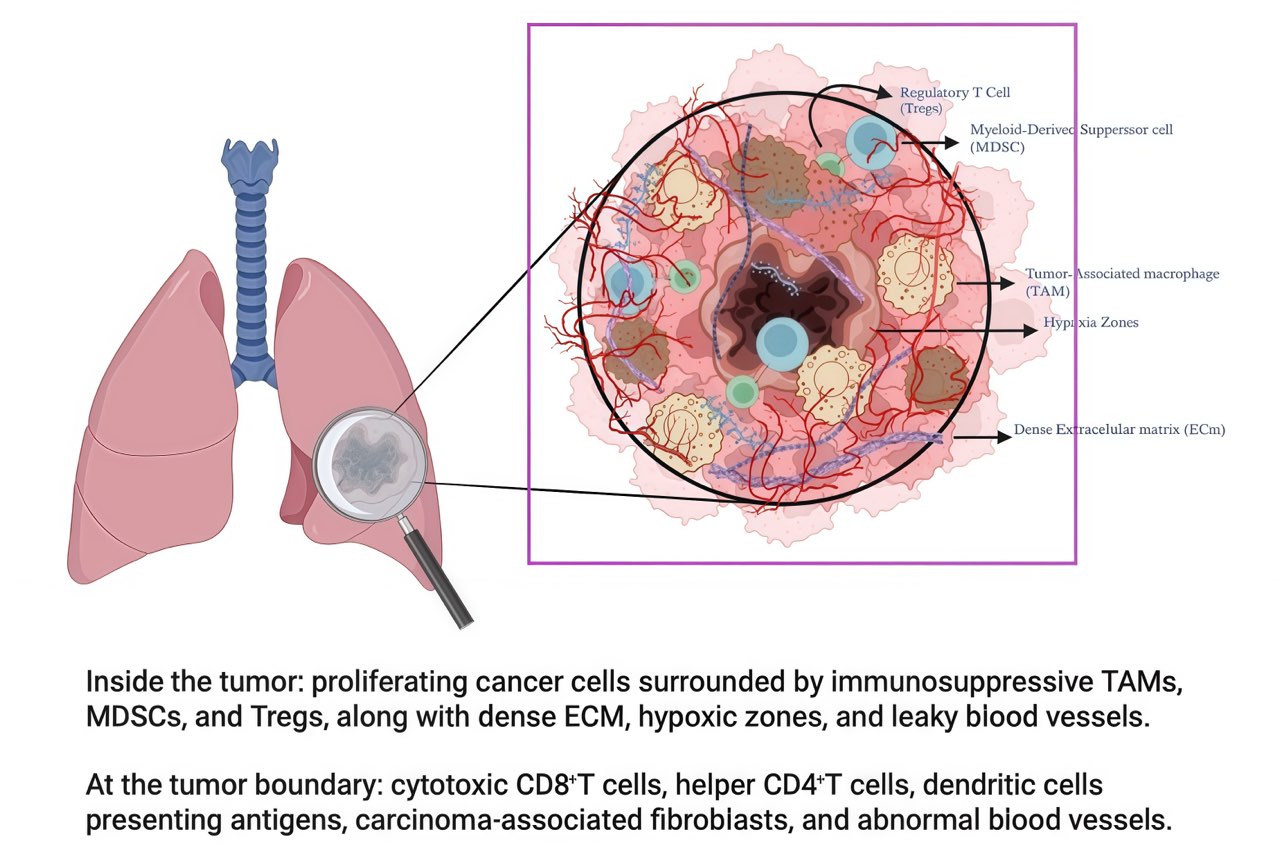
Lung cancer remains the leading cause of cancer-related mortality worldwide, accounting for 18% of all cancer-related deaths globally in 2020. The poor prognosis is largely due to the immunosuppressive tumor microenvironment (TME). Although immune checkpoint inhibitors can be used to treat a subset of lung cancer, limited efficacy in 'cold tumors’ remains a major concern. Therefore, there is a need for effective immunotherapeutic strategies that remodel the TME. This study aimed to evaluate the potential of combining interleukin-37 (IL-37) with a CD40 agonist and to discover novel approaches to targeting myeloid-derived suppressor cells (MDSCs) and dendritic cells in lung cancer. We designed a preclinical study using murine lung cancer models to test whether IL-37 suppresses MDSCs recruitment and function while CD40 agonism enhances dendritic cell activation, antigen presentation, and CD8⁺ T-cell priming. Additional work is required to understand the translational potential of this approach; however, this suggests that modulation of myeloid populations may represent a promising strategy to convert cold tumors into hot tumors and improve responsiveness to checkpoint blockade in lung cancer.
Show more
Read Article PDF
Cite
Research Article Open Access
Functional Interplay Between TDR1 and the XRCC5-Mediated DNA Repair Pathway in Tardigrades under Ionizing Radiation Exposure
Article thumbnail
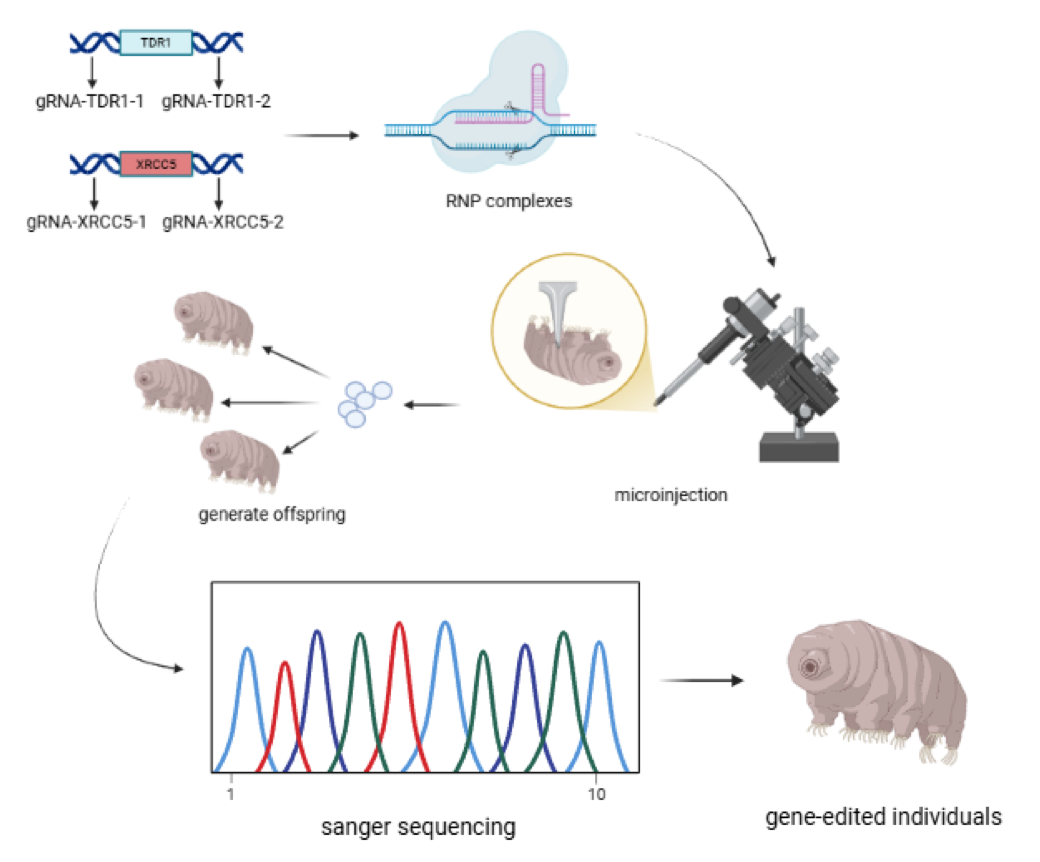
Tardigrades exhibit exceptionally prominent tolerance to ionizing radiation, while the functional correlation between the specific protein TDR1 and XRCC5, a core factor in their DNA repair pathway, remains unclear. In this study, Hypsibius exemplaris was selected as the model organism. Optimal experimental conditions were screened through radiation gradient experiments, and combined with CRISPR/Cas9 gene knockout technology, the mRNA expression of TDR1 and XRCC5, their protein levels, and the number of γ-H2AX foci (a DNA damage marker) were detected to investigate the synergistic mechanism of the two in radiation resistance. The results showed that 2000 Gy γ-rays and 4 h post-irradiation were the optimal conditions, under which both TDR1 and XRCC5 were significantly upregulated. Knockout experiments demonstrated that XRCC5 plays an essential role in the repair pathway, while TDR1 acts as its auxiliary factor; the deficiency of either protein induces compensatory upregulation of the other at both transcriptional and translational levels, confirming a bidirectional synergistic regulatory mechanism. This study breaks through the previous research limitation of focusing on the single function of stress-resistant proteins in tardigrades, clarifies the synergistic mechanism between TDR1 and XRCC5, and lays a foundation for the research on the extreme environmental adaptation mechanism of tardigrades.
Show more
Read Article PDF
Cite
Research Article Open Access
How Selenium-Containing Traditional Chinese Medicine Can Treat Breast Cancer
Selenium, an essential trace element with dual biological roles, has emerged as a promising therapeutic agent for breast cancer. This study synthesizes evidence from molecular, clinical, and epidemiological research to evaluate its anticancer mechanisms and clinical efficacy. Mechanistically, selenium exerts antioxidant effects by upregulating glutathione peroxidase activity, thereby reducing oxidative DNA damage. It also modulates epigenetic markers to suppress oncogene expression. Clinically, a meta-analysis of 18 case-control studies revealed significantly lower serum selenium levels in breast cancer patients compared to healthy controls, particularly in triple-negative subtypes. Randomized trials further demonstrated that selenium yeast supplementation enhanced chemosensitivity, improving progression-free survival by 28% in adjuvant therapy. Epidemiologically, population-based studies identified an inverse correlation between geographical selenium distribution and breast cancer incidence. Notably, nanotechnology-driven formulations achieved targeted drug delivery with 40% reduced systemic toxicity in murine models. However, a U-shaped dose-response relationship highlights risks of selenosis at supranutritional doses, emphasizing the need for personalized regimens. These findings position selenium as a multifaceted agent bridging prevention and treatment, warranting further exploration of its synergies with endocrine therapies and immunomodulators.
Show more
Read Article PDF
Cite
Research Article Open Access
VTA Microcircuits: Multi-Scale Architecture for Reward Computation and Addiction Pathologies
Serving as a critical hub, the ventral tegmental area (VTA) governs reward processing and addiction via its specialized local microcircuits. In this review, we synthesize recent progress in understanding the VTA’s computational architecture, incorporating insights from connectomic mapping, functional interventional studies, and reinforcement learning frameworks. We clarify how molecularly defined subpopulations compute reward prediction errors (RPEs) by maintaining a balance between excitation and inhibition. Under addiction, maladaptive remodelling pathologically skews RPE valence toward positive errors, thereby fostering compulsive drug-seeking via optogenetic ally triggered long-term depression. By linking microcircuit mechanisms to behavioural outcomes, this integrated perspective establishes a mechanistic foundation for the development of circuit-specific therapeutic strategies in addiction.
Show more
Read Article PDF
Cite
Research Article Open Access
The Investigation on the Function of Circular RNA in Adult Zebrafish Caudal Fin Regeneration
Zebrafish is an important model organism that is widely used in regenerative biology research due to its strong regenerative ability. The fin regeneration of zebrafish is a classic research model, and its regeneration mechanism includes cell migration, proliferation, differentiation, and precise regulation of gene expression. Nowadays, many researchers use zebrafish for experiments in the field of biological regeneration. Similarly, I will study the association between zebrafish tail regeneration and its intracellular circular RNAs. First, through high-throughput sequencing techniques (such as RNA-Seq), obtain the transcriptome data of zebrafish at different time points during fin regeneration. Secondly, use qPCR technology to quantitatively analyze the expression levels of specific circular RNAs at different time points during fin regeneration to evaluate their relationship with the regeneration process. (The observation days should be 1, 3, 5, and 7, because zebrafish tail regeneration is very rapid within 30 hours, so the observation days should not be too far apart, and the subsequent changes are small, and the observation is not very meaningful.) Finally, use Bioinformatics analysis and Luciferase Reporter assay techniques to determine specific circular RNAs and study their effects on the zebrafish tail regeneration process.
Show more
Read Article PDF
Cite
Research Article Open Access
The Effect of Sleep Hours on the Risk of Getting Heart Disease
Article thumbnail
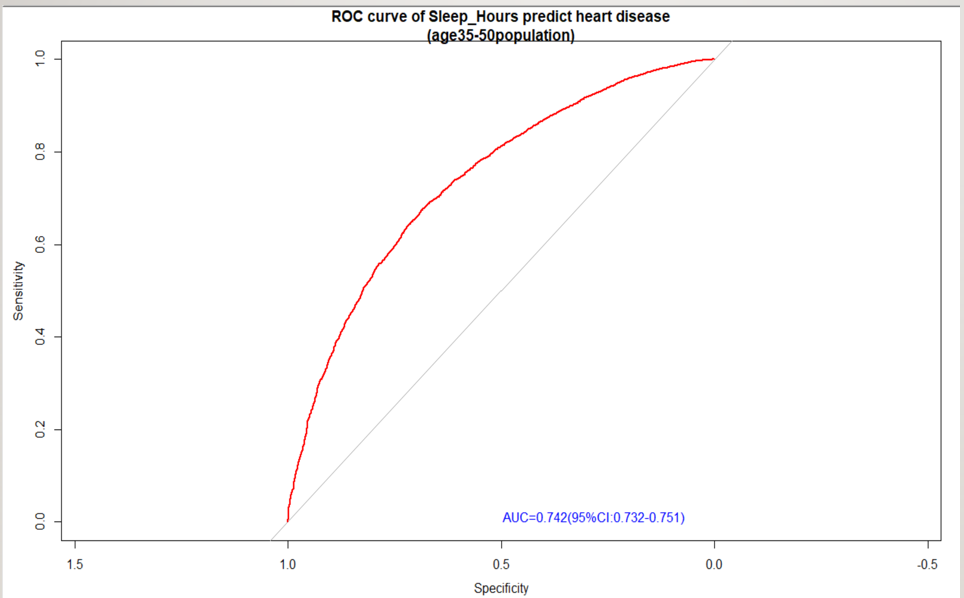
Heart disease has already become one of the diseases with highest fatality rate, and the number of patients shows an increasing trend worldwide. This paper mainly explores the relationship between sleep time and the prevalence rate of heart disease. This research analyzes a large sample(10000 population) from the Health dataset sample, to conduct statistical analysis on heart disease patients and individuals with sleep hours less than 7. Plotting ROC curve and establishing single factor cox regression model, and then adding more relevant factors that affect heart disease to make a multiple factor cox regression model, such as gender, BMI and diabetes, to check whether the result is still valid when several factors are considered. Also, the hazard ratio(HR)and confidence interval (CI)of 95% for each factor are recorded. This paper finds that short sleep time is a significant factor for the cause of heart disease. AUC value is greater than 0.7, and both two cox regression model shows p<0.0001. And keeping sufficient sleep time would be helpful for reducing the risk of getting heart disease.
Show more
Read Article PDF
Cite
Research Article Open Access
Bacteriostatic Effects of Common Foods and Their Comparison with Antibiotics
In daily life, traditional practices like using vinegar for food preservation and salt for pickling vegetables to prevent spoilage make people curious about whether these substances have bacteriostatic properties. With the rising concern over antibiotic abuse, there is increasing interest in exploring if common foods can serve as natural alternatives to antibiotics. This study investigates four daily ingredients—table salt, white vinegar, brown sugar, and Chinese cabbage—to determine if they contain components that can inhibit bacterial growth. The experimental design involved processing these foods into high-concentration solutions: white vinegar is used directly, brown sugar is dissolved in water, and Chinese cabbage is juiced. Each sample is added to petri dishes inoculated with bacteria, and a control group with no treatment is set up. After standing for 24 hours, the presence and size of bacteriostatic circles in each sample are recorded and compared. The experiment shows there were obvious bacteriostatic circles around the high-concentration salt solution and white vinegar, and brown sugar has a weak bacteriostatic effect. Some common solutions do have natural bacteriostatic effects, but they act more like "environmental regulators". For instance, a high-salt environment dehydrates bacteria, and the acidity of white vinegar destroys the living conditions of bacteria. This is different from the principle of antibiotics that target and attack the structure of bacteria. Therefore, it can be concluded that they cannot be regarded as real "natural antibiotics" and can only be used as simple daily bacteriostatic means.
Show more
Read Article PDF
Cite
Research Article Open Access
Applications of Gene Editing Technology: The Revolution of CRISPR-Cas Systems and Future Perspectives
Gene editing technologies are undergoing breakthrough advancements, with next-generation tools such as base editing and prime editing demonstrating significant advantages. Base editors, which combine a Cas9 nickase with a deaminase, enable precise single-base conversions (e.g., C→T or A→G) without inducing double-strand DNA breaks, showing great promise for treating diseases caused by point mutations. In terms of clinical applications, there are now over 300 global clinical trials in gene therapy, primarily focused on hematological disorders and solid tumors. Innovations in delivery systems—such as lipid nanoparticles (LNPs) and adeno-associated virus (AAV) vectors—have improved tissue targeting, although long-term safety monitoring remains to be further refined. Regulatory policies vary significantly across countries; therefore, future efforts should prioritize the establishment of unified safety standards, tiered risk assessment frameworks, and comprehensive, lifecycle-oriented ethical review mechanisms. Such measures are essential to facilitate the safe translation of these technologies and unlock their vast potential in precision medicine, agriculture, and beyond.
Show more
Read Article PDF
Cite
Research Article Open Access
Exploration of the Mechanism of Action of Cisplatin and Paclitaxel in the Treatment of Triple-Negative Breast Cancer
Article thumbnail
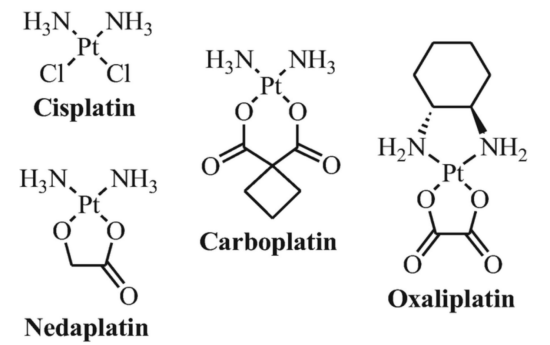
Triple-negative breast cancer (TNBC) is a particularly aggressive type of breast cancer characterized by the absence of estrogen receptor, progesterone receptor, and HER2 expression. Due to these receptor characteristics, traditional endocrine therapy and HER2-targeted treatment are ineffective, and the treatment options are limited. This article discusses the mechanism of action of two key chemotherapy drugs used to treat triple-negative breast cancer: cisplatin and paclitaxel (PTX). Cisplatin is a platinum-based compound with a planar square geometric structure that can form water-soluble complexes in the body. These complexes can generate intramolecular and intermolecular cross-linkages with DNA, thereby interfering with DNA replication and ultimately leading to cell apoptosis. Paclitaxel is a naturally extracted plant compound with a complex four-ring taxane structure. It functions by binding to the M ring of β-tubulin, thereby enhancing the interaction between tubulin dimers and stabilizing microtubules. Stable microtubules prevent cells from progressing to the next stage, causing them to stop at the G2/M phase, and subsequently triggering cell apoptosis. A deeper understanding of these mechanisms can help optimize the treatment plan for triple-negative breast cancer, given its tendency for early metastasis and poor prognosis. This may potentially serve as a new adjuvant treatment option.
Show more
Read Article PDF
Cite