Articles in this Volume

Research Article Open Access
Belzutifan: A Breakthrough in Targeted Therapy for ccRCC
Belzutifan, a novel orally bioavailable small-molecule inhibitor of hypoxia-inducible factor 2α (HIF-2α), represents a mechanistically distinct and clinically promising therapy for clear cell renal cell carcinoma (ccRCC), particularly in patients with von Hippel–Lindau (VHL) disease. By selectively disrupting the VHL–HIF–2α signaling axis, Belzutifan effectively inhibits hypoxia-driven transcriptional programs that promote tumor progression. Unlike traditional therapies such as VEGF inhibitors and immune checkpoint blockade, Belzutifan directly targets a core oncogenic pathway unique to VHL-deficient tumors. Clinical trials have demonstrated encouraging response rates and manageable safety profiles, both as monotherapy and in combination with agents like cabozantinib. However, emerging resistance, limited efficacy in pre-treated populations, and concerns about long-term toxicity highlight areas that require further investigation. This article reviews the underlying molecular mechanism, clinical trial data, therapeutic advantages, and key limitations of Belzutifan, while also exploring its future potential in broader contexts of renal cell carcinoma and in rational combination strategies.
Show more
Read Article PDF
Cite
Research Article Open Access
Lipid Droplets in Alzheimer’s Disease: Roles and Implications
Article thumbnail
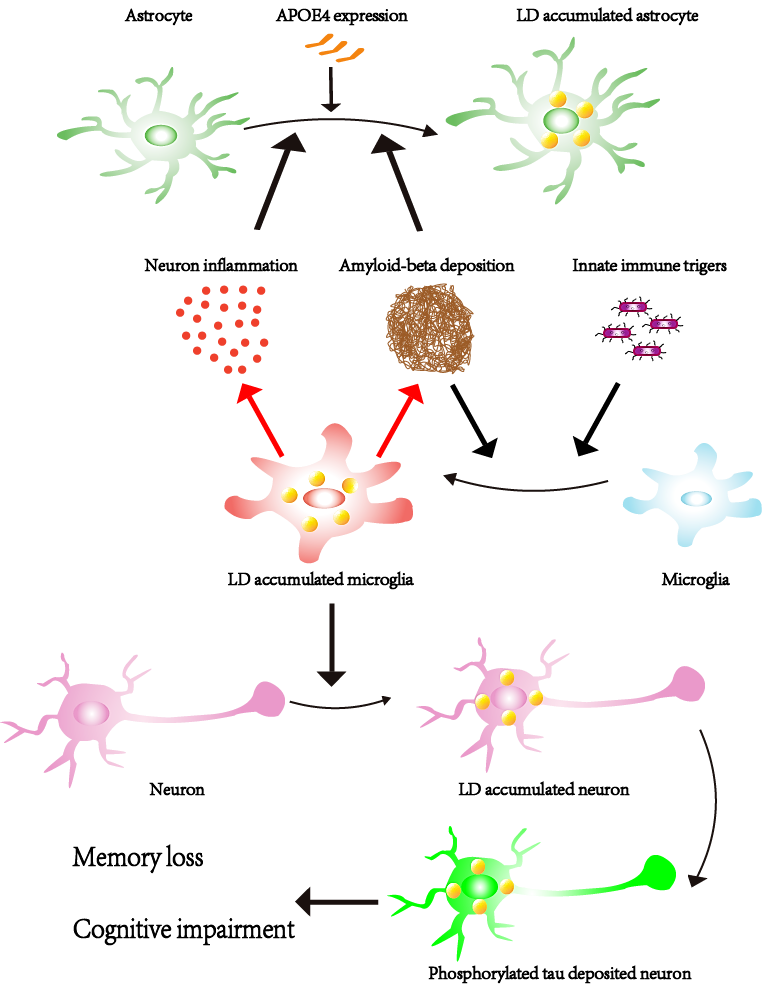
Alzheimer’s disease (AD) is a progressive neurodegenerative disorder which becomes one of the most costly, fatal, and burdening diseases in this century. Lipid droplets (LDs), once considered passive storage organelles, are now recognized as dynamic structures involved in multiple biological process, with accumulating evidence suggesting the association between LDs and AD. This review systematically synthesizes findings from more than forty core studies published over the past decade, summarizing current knowledge on LD biogenesis and function, their accumulation in various brain cell types, and their dual role in either mitigating lipotoxicity or exacerbating neurodegeneration in AD. We propose bidirectional lipid trafficking between neurons and glial cells as a critical future research direction, postulating its important yet uncharacterized contribution to AD pathogenesis. Understanding LD dynamics and their cross-talk among brain cells may reveal innovative strategies for AD therapy.
Show more
Read Article PDF
Cite
Research Article Open Access
Andrographolide Protects Against Liver Cancer by Suppressing the AKT-mTOR Pathway & GPX4 Protein to Induce Ferroptosis
Andrographolide is a potential drug to alleviate liver cancer by inducing ferroptosis in the cancer cells. In this article, a series of experiments would be conducted to test whether it has positive results on cancer killing. In addition, we would find out the mechanism between Andrographolide and ferroptosis. Furthermore, methods would also be used to identify the target site of Andrographolide inside the human body. Those possible outcomes in this article could help to a creative understanding of how Andrographolide inhibits hepatoma.
Show more
Read Article PDF
Cite
Research Article Open Access
Risk Factors and Rehabilitation Training for UCL Injuries in Adolescent Baseball Players
The Ulnar Collateral Ligament (UCL) injury is frequently seen in baseball players, it generally causes baseball players to rest for one season or more. In the global context, due to the continuous increase in the number of young people participating in baseball, the proportion of UCL injuries among teenage baseball players has also been increasing. Currently, insufficient attention is paid to UCL injuries in teenage baseball players, which affects their sports experience and career longevity. This study aims to raise awareness among more people about the differences between UCL injuries in teenagers and those in adults, including the risk and severity of the injuries. The purpose is to help adolescent baseball players return to the playing field through appropriate treatment methods and rehabilitation training, to restore their physical functions and the same playing level as before the injury. This not only affects their sports experience but also their sports lifespan. The purpose of this study was to enable more people to understand the severity, risk of injury, rehabilitation training and methods for adolescent UCL injury. Through this study, more people can learn about and pay attention to the UCL injury diseases of adolescent baseball players.
Show more
Read Article PDF
Cite
Research Article Open Access
CRISPR-Cas9 Gene-Editing Technology for the Screening of Drug Resistance Genes in Tumor Cells
Chemotherapy is the most widely used and effective treatment method in today's cancer treatment. However, the rise of cancer drug resistance has limited chemotherapy effectiveness. The molecular mechanisms and related genes by which many cancer cells acquire resistance to chemotherapy drugs remain to be identified. Recent advancements of CRISPR-Cas9 genome-editing techniques have drawn rigorous exploration of precision oncology applications. CRISPR-Cas9 technology can knock out, inhibit or activate the expression of specific genes. By observing the phenotype of gene-edited cells, drug-resistant genes in carcinoma cells can be identified. This paper will decipher the molecular basis of CRISPR-Cas9 technology in targeted gene modification and give examples to illustrate its application in the screening of drug resistance genes in three types of human cancers. Additionally, the application limitations and emerging horizons of CRISPR-Cas9 gene modification technique in strategies for overcoming anticancer drug resistance are discussed. The continuous development and optimization of this technology are expected to provide strong support for breaking through the bottlenecks in tumor treatment and pushing precision cancer medicine to new heights.
Show more
Read Article PDF
Cite
Research Article Open Access
3D Printed Porous Scaffold Polymers Based on Polymerization-Induced Phase Separation and Their Applications in Biomedical Fields
Article thumbnail
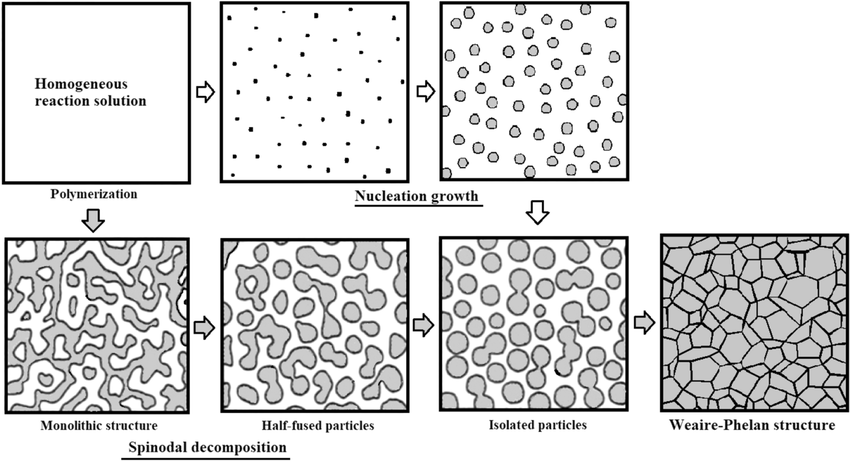
The integration of polymerization-induced phase separation (PIPS) with three-dimensional (3D) printing provides a transformative strategy for fabricating porous scaffolds in biomedical applications. Unlike traditional 3D printing, which faces challenges in pore control and material diversity, PIPS enables in situ formation of interconnected networks without sacrificial templates, allowing tunable pore size, distribution, and connectivity across multiple scales. This review introduces the principles of PIPS and its coupling with advanced platforms such as digital light processing (DLP), emphasizing parameters that govern phase separation behavior. It further highlights functional polymer systems, including photosensitive, degradable, conductive, and antimicrobial composites, and analyzes how their compositions influence pore morphology and biological performance. By combining precise structural control with multifunctional materials, PIPS-based 3D printing supports the development of next-generation biomedical scaffolds with enhanced adaptability, biocompatibility, and potential for smart, sustainable designs.
Show more
Read Article PDF
Cite
Research Article Open Access
Pathological Mechanism and Targeted Drugs of Systemic Lupus Erythematosus
The abnormal activation of immune system leads to a chronic immune-mediated disease called systemic lupus erythematosus (SLE) in general that attacks the organs of human. In the past, clinical practice often involved treatment with glucocorticoids combined with immunosuppressants. However, many patients still fail to achieve a state of low lupus disease activity (LLDAS) and are also plagued by adverse reactions such as osteoporosis, infections, and premature ovarian failure. Therefore, there is an urgent need for safer treatment regimens with fewer side effects. In recent years, with the development of knowledge into the pathology of SLE, phenomena such as aberrant B cell activation and deregulation of type I interferon (IFN-α) have been observed., providing directions for targeted therapy. Through comparative literature analysis, this article reviews the latest progress in mechanism-related studies involving B cells and IFN-α in SLE, as well as the research and development of targeted drugs. It covers aspects such as B cell-targeted therapy (e.g., telitacicept), IFN-α blockade (e.g., anifrolumab), JAK inhibition (e.g., baricitinib), and IL-6 receptor antagonism (e.g., tocilizumab). It summarizes the mechanisms of action, treatment strategies, clinical applications, and limitations of various new targeted drugs, aiming to provide a reference for personalized management and treatment strategies for SLE.
Show more
Read Article PDF
Cite
Research Article Open Access
Aberrant Regulation of Key Enzymes in Hepatocellular Carcinoma: From Metabolic Reprogramming to Diagnostic Markers
Hepatocellular carcinoma (HCC) is one of the leading causes of cancer-related death worldwide, with complex pathogenesis and limited treatment options. In recent years, the central role of enzymes in the proliferation of HCC has become increasingly prominent, beyond their traditional catalytic function. This review systematically describes the role of enzymes in HCC and their therapeutic potential. Firstly, review outlines some enzymes that drive HCC proliferation, invasion and metastasis, including metabolic enzymes (e.g. HK2, PKM2) in mediating Warburg effect; oxidative stress and detoxification enzymes (e.g. CYP450 family, SOD, PKM2) in accumulating of ROS and inducing of oncogenes; epigenetically modifying enzymes in silencing of tumor suppressor genes. Secondly, review discusses the potential of the enzyme as HCC diagnosis marker, emphasized the emerging markers (such as GP73) in make up for the traditional markers (AFP) lack of sensitivity and specificity of potential. Furthermore, we summarize the therapeutic strategies targeting enzymes, including approved multikinase inhibitors (sorafenib, lenvatinib), immunometabolism targets in clinical trials (IDO1 inhibitors), and preclinical hotspots (such as PKM2 inhibitors, HDAC inhibitors, and PARP inhibitors). Finally, we highlight the key challenges in the field, including the differences in enzyme expression profiles caused by tumor heterogeneity and the compensatory resistance mechanisms, then look forward to the future directions of combination therapy strategies integrated by new technologies such as single-cell sequencing and artificial intelligence. This review aims to highlight the great value and broad prospects of targeted enzyme systems as a precise and innovative strategy to overcome the clinical challenges of HCC.
Show more
Read Article PDF
Cite
Research Article Open Access
Targeting Chorea in Huntington’s Disease: Emerging Therapeutic Strategies
Huntington's disease (HD) is a currently incurable neurodegenerative disorder caused by an autosomal dominant mutation in the HTT gene, leading to the production of mutant huntingtin protein (mHTT) with an expanded polyglutamine (polyQ) tract. This aberrant protein aggregation results in progressive neuronal dysfunction, particularly in the striatum and cortex, manifesting as involuntary choreiform movements (resembling dance-like behaviors), cognitive decline, and psychiatric disturbances. Despite advances in symptomatic management—such as antidepressants, dopamine-modulating agents, and physical therapy—existing treatments fail to halt disease progression or reverse neuronal damage.In recent years, novel therapeutic strategies have emerged, offering hope for disease modification rather than mere symptom alleviation. One promising approach involves mini-intrabodies, engineered antibody fragments designed to selectively bind and neutralize mHTT. These intrabodies facilitate the degradation of toxic protein aggregates via lysosomal pathways, effectively reducing neuronal toxicity. Other cutting-edge interventions include antisense oligonucleotides (ASOs) to suppress mHTT expression, CRISPR-based gene editing to correct the HTT mutation, and stem cell therapy to replace damaged neurons.This article evaluates these innovative strategies, with a focus on lysosome-targeted mini-intrabodies as a potential curative approach. By analyzing preclinical and clinical advancements, we aim to highlight future research directions that could transform HD treatment from palliative care to definitive therapy.
Show more
Read Article PDF
Cite
Research Article Open Access
Mechanisms and Emerging Targeted Therapies of Uterine Serous Carcinoma
Categorized as a subtype of endometrial cancer, uterine serous carcinoma (USC) is the most destructive among other subtypes, where surgery, chemotherapy, and radiotherapy were historically the only curative modalities. Although these modalities may appear significantly effective, the first 5-year survival rate after first-phase treatments remains low due to the high recurrence rate of USC tumors. To address these challenges, many tests are done to identify mutated genes, and corresponding targeted therapies are developed, such as TP53-targeting drugs, HER-2-targeted therapies, and immune checkpoint inhibitors (ICIs), which will be elaborated on in the subsequent sections. The main reason for developing targeted therapies is that the side effects are significantly reduced compared to conventional therapies; they offer greater precision, which leads to better outcomes, and a possible cancer-free future for patients. This paper provides an overview of mechanisms and emerging targeted therapies for USC, along with a brief analysis of USC and its conventional therapies, which offers new ideas and directions for pathological research and clinical treatment of USC and other complex cancers.
Show more
Read Article PDF
Cite