Articles in this Volume

Research Article Open Access
Review of the association between non-coding RNAs and environmental exposure
Disease development is a consequence of the combination of genetic and environmental factors. Epigenetics can regulate gene expression without altering DNA sequence. There are different types of epigenetic regulation, including DNA methylation, histone modification and non-coding RNAs. Research has shown epigenetic regulation plays an essential role in environmental exposure and disease development. The role of DNA methylation and histone modification is well characterized so far. While the importance of non-coding RNA in disease development has gained more attention recently, the elucidation of the exposure-non coding RNA-disease pathway is still under much investigation. This review aims to provide a general review of ncRNA functions, focusing on research progress highlighting the association between a variety of exposure and non-coding RNAs and the hope of demonstrating how non-coding RNA can serve as biomarkers for preventive and therapeutic goals upon environmental exposure.
Show more
Read Article PDF
Cite
Research Article Open Access
Analysis of the clinical display effect of imaging techniques on the staging of gliomas
Article thumbnail
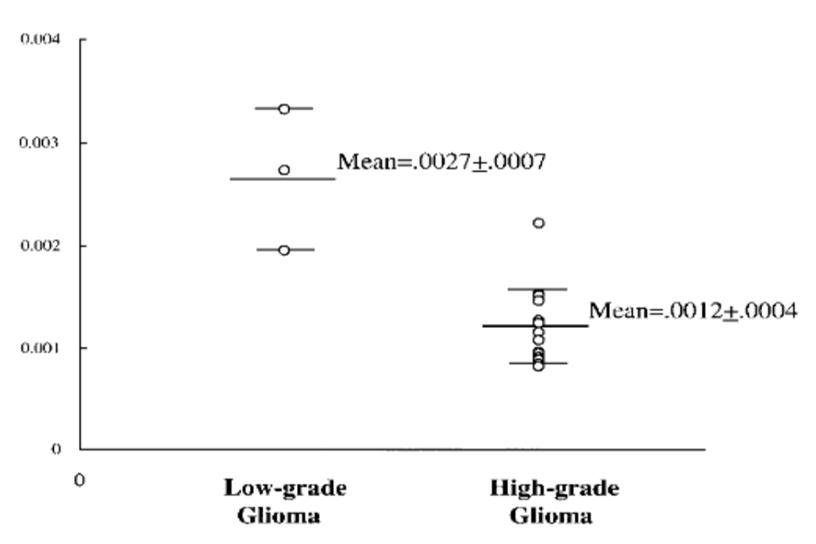
Glioma is a primary intracranial malignant tumor, which is difficult to be cured and has the characteristics of easy recurrence and high mortality rate, therefore, it is of great clinical significance to accurately grade glioma before operation. Since biopsy of gliomas is relatively difficult and its accuracy cannot be guaranteed, imaging examination has become an important means of clinical grading of gliomas. This paper, through the literature analysis method, reviews the previous studies of applying imaging methods to grade gliomas in China and abroad and summarizes the main techniques of MRI and CT and their grading effects. Finally, this paper finds that MRI and CT can be used to grade gliomas alone, but both have limitations, while the combined application of MRI and CT has high sensitivity and specificity for the diagnosis and grading of gliomas, which makes up for their respective shortcomings, and is worthy of wide application.
Show more
Read Article PDF
Cite
Research Article Open Access
Predicting the risk of stroke based on machine learning
Stroke, the second largest leading cause of death among all chronic diseases, is affecting about 101 million people in the world currently. It is estimated that this number of stroke cases will increase by 2.25 by the year 2050. Considering the large number of potential patients with stroke, a mathematical model is designed to predict one’s risk of having a stroke in the future based on one’s basic health data using machinery methods. Using the algorithm of Logistic Regression, the model reaches an accuracy of 92.28% when predicting whether one has a stroke, the model also validates that hypertension is the leading cause of the incidence of stroke by finding out the highest correlation value among all the feature variables. People who would like to know their probability of having a stroke can use the model, then they can have some precautionary measures to lower the likelihood of happening of stroke based on the prediction given, which helps save the medical costs and overuse of medical resources. Governments can enact policies and allocate medical resources based on the predictions made by the model.
Show more
Read Article PDF
Cite
Research Article Open Access
Application of deep learning in medical imaging segmentation
Article thumbnail
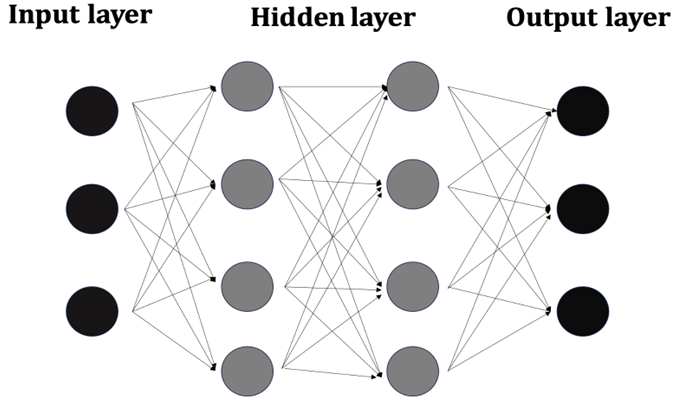
The increasing demand for segmentation of lesions in medical images necessitates research on automatic segmentation. Manual segmentation is inefficient due to training time and energy constraints. Deep learning-based image segmentation technology can improve efficiency and aid in diagnosing conditions. This technology provides accurate and detailed data support for clinical medicine, making it a crucial field in medical image processing. This essay introduces image segmentation and its classification, and explains the differences between two segmentation methods, semantic segmentation and instance segmentation and their respective application fields. Additionally, it introduces several well-known deep neural networks for segmenting medical images using deep learning. Regarding the models, this article introduces the structure and characteristics of each model as well as their respective advantages and disadvantages. This essay also introduces examples of deep learning using different deep neural network models to segment specific medical images, including image segmentation based on FCN for the heart and U-Net for the kidneys.
Show more
Read Article PDF
Cite
Research Article Open Access
The synthetic routes of sorafenib and its applications on hepatocellular carcinoma
Article thumbnail
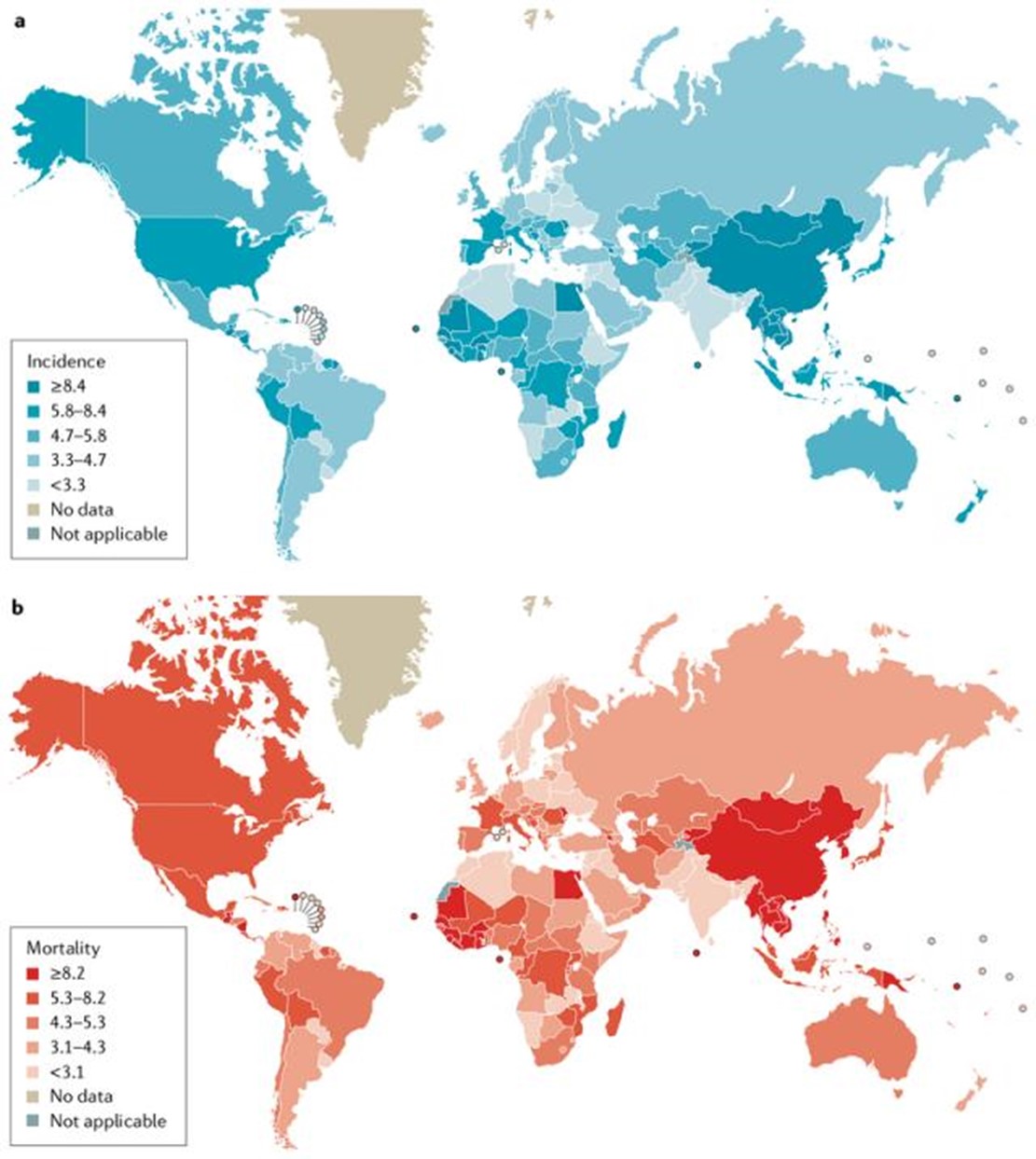
Cancer stands as the second leading cause of global mortality, with a staggering one in five individuals worldwide facing a cancer diagnosis in their lifetime. Addressing cancer prevention has emerged as a significant issue in the field of public health in the 21st century. Hepatocellular carcinoma (HCC) - the primary liver cancer type - not only ranks as one of the top five most frequent cancers globally, but also distressingly represents the fourth leading cause of cancer-related deaths. Notably, it claims the top spot in cancer-related mortality worldwide. Hepatocellular carcinoma is characterized by its high incidence, swift progression, recurrent nature, proclivity for metastasis, and distressingly high mortality rate. A significant proportion of cases trace a three-step path, hepatitis B infection leading to cirrhosis culminating in hepatocellular carcinoma. Sorafenib, a multi-targeted kinase inhibitor, offers promise in combatting this formidable adversary. It works by inhibiting key targets like vascular endothelial growth factor receptors (VEGFR1, VEGFR2, VEGFR3), platelet-derived growth factor receptor β (PDGFR-β), and RAF family kinases, which contributes to its healing effects. This article delves into the synthetic pathway of sorafenib, elucidating its impactful role in cancer treatment, and expounds on its advantageous attributes.
Show more
Read Article PDF
Cite
Research Article Open Access
Application of sunitinib in cancer treatment and analysis of its synthetic route
Article thumbnail
Sunitinib, also known as the free base of sunitinib malate, is an innovative oral agent used in the treatment of tumors. It functions by inhibiting various members of the receptor tyrosine kinase (RTK) family, which possess a split kinase structural domain. These members include vascular endothelial growth factor receptors (VEGFR) 1, 2, and 3, platelet-derived growth factor receptors (PDGFR) α and β, stem cell factor receptors, FMS-like tyrosine kinase 3, colony-stimulating factor 1 receptor, and BCR/ABL fusion genes. This paper briefly introduces the research background, pharmacological activity and toxicity of sunitinib, sorting out the incidence and pathogenesis of the diseases it is targeted to treat, and its regulatory mechanism in treating the diseases, etc., summarising several synthetic routes of sunitinib researched by the previous researchers, and at the same time analysing and evaluating the synthetic routes and suggesting the synthetic routes, summing up and proposing the outlook of its subsequent research contents and directions, providing references and help to the research on sunitinib afterward.
Show more
Read Article PDF
Cite
Research Article Open Access
The mechanism of lapatinib and its application in breast cancer
Article thumbnail
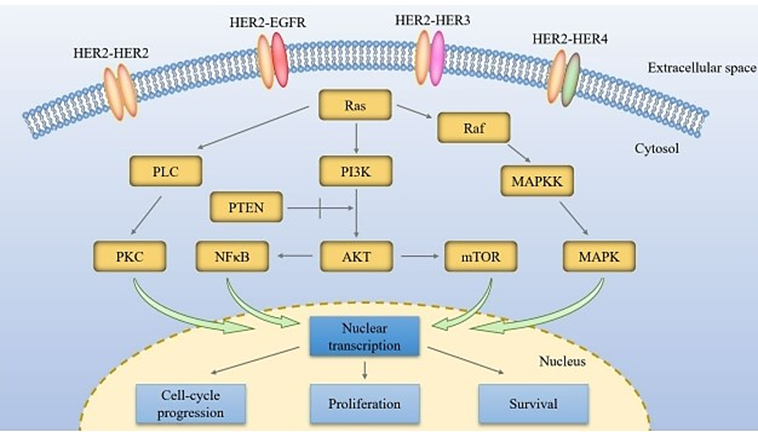
This paper aims to study the synthetic route, mechanism of action and application of lapatinib in breast cancer. As a common malignant tumor, breast cancer poses a serious threat to the life and health of patients. As an effective targeted drug, lapatinib is significant in treating breast cancer. Its pharmacological effects can block the growth and metastasis of tumor cells by inhibiting specific signaling pathways and affect cancer cells’ metabolism and drug efficacy. Its molecular mechanism is mainly through targeting the epidermal growth factor receptor (EGFR) to inhibit the proliferation and survival of tumor cells. Studies on lapatinib’s drug metabolism and pharmacodynamics also described its metabolism and therapeutic effect in vivo. Secondly, the pathophysiology of breast cancer was summarized, including the pathogenesis, clinical manifestations, and molecular biological characteristics of breast cancer. The therapeutic effect, application, efficacy evaluation, and adverse reaction management of lapatinib were analyzed for the application of lapatinib in the treatment of breast cancer. Moreover, the existing lapatinib synthetic routes were described. Lapatinib has a substantial treatment influence and may effectively decrease harmful reactions when used to treat breast cancer. Nevertheless, additional study is required to ascertain its optimal application and possible mechanism of action in breast cancer treatment.
Show more
Read Article PDF
Cite
Research Article Open Access
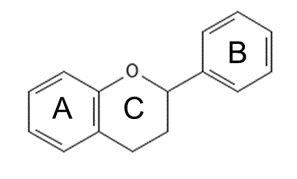
Flavonoids and the gut microbiota: A promising frontier for colorectal cancer prevention and intervention
Article thumbnail
Colorectal cancer (CRC) is a formidable global health challenge, with increasing incidence rates and significant mortality. Flavonoids, known for their antioxidant properties, a class of polyphenolic compounds found in various dietary sources, exert multifaceted effects on gut microbiota composition, short-chain fatty acids (SCFAs) production, inflammation mitigation, and gut barrier enhancement. Moreover, they demonstrate promise in countering DNA damage induced by microbial toxins and modulating metabolic processes. Animal studies and clinical trials revealed changes in gut microbiota composition in CRC. However, the translational application of flavonoids to treat CRC through modifying gut microbiota requires further research. This review paper delves into the intricate relationship between flavonoids, and gut microbiota, with a particular focus on their potential in CRC prevention. This paper discusses the complex mechanisms through which flavonoids influence CRC development and highlights their potential in shaping dietary strategies for cancer prevention. In the midst of the rising CRC burden, flavonoids offer a hopeful link between dietary choices and improved health outcomes, paving the way for a healthier, cancer-free future.
Show more
Read Article PDF
Cite
Research Article Open Access
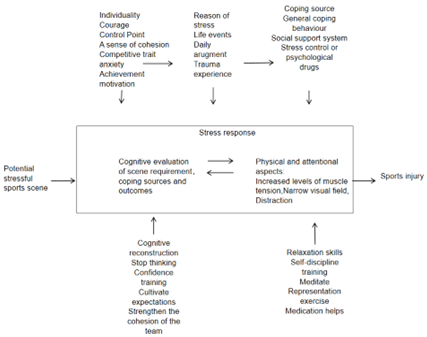
The waist injuries and treatment methods of rowers
Rowing is one of the world’s competitive sports, and it is an extremely energy intensive aerobic sport. This sport requires very strict physical fitness for athletes. Therefore, rowers need to withstand extreme load training and ultra-high intensity endurance training, whether in daily training or in actual competitions. Rowers must possess good physical fitness and functional abilities, as well as flexibility and agility. However, the prolonged physical wear and tear experienced by rowing athletes during training and competition can easily lead to sports injuries. Due to the influence of many factors, emphasis has been placed on rowing physical fitness training. In the specific operation process, it is necessary to closely combine the characteristics of rowing and the actual physical condition of athletes and develop a scientific and reasonable plan for rowing and injury treatment. Therefore, this article first starts from the investigation of physical injuries and types of injuries among different athletes and finds that the proportion of waist injuries is the highest. At the same time, it elaborates on the basic reasons for waist injuries, and finally provides rehabilitation treatment plans, allowing rowing athletes to make more progress and development.
Show more
Read Article PDF
Cite
Research Article Open Access
Causes and preventive measures of knee injuries in table tennis players
Article thumbnail
Table tennis, as the national sport of China, is widely practiced throughout the country and takes a leading position in the international arena. With the rapid development of table tennis, many excellent athletes have emerged. Since athletes are under high load in training for a long time, sports injuries are almost unavoidable, especially knee injuries, which have the greatest impact on athletes. Therefore, correctly recognizing the causes of knee injuries and mastering the corresponding preventive measures is an important topic. In this paper, we take the literature method and mathematical statistics method as the main research method, combine the knowledge of sports training science and sports physiology to introduce the parts and degree of knee injuries, analyze the causes of knee injuries according to the characteristics of table tennis, and put forward relevant suggestions, so as to help athletes effectively avoid knee injuries, improve the level of competitiveness, and contribute to the development of China’s table tennis industry.
Show more
Read Article PDF
Cite