Articles in this Volume

Research Article Open Access
An overview of the correlation between the stress response system and the respiratory system
Article thumbnail
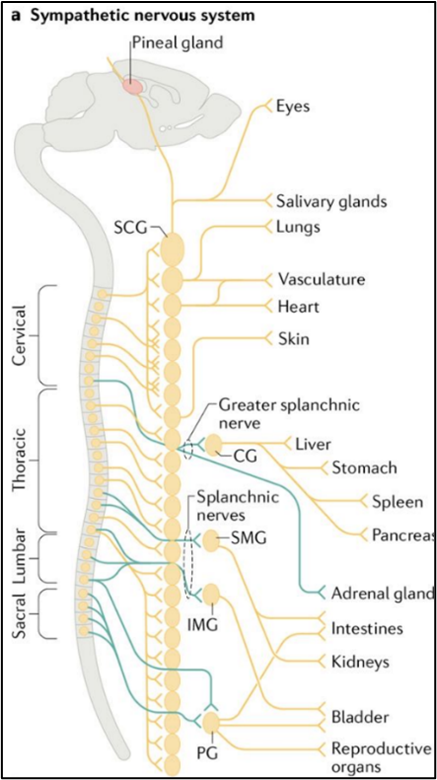
Since the stress response system was first discovered by Walter. B. Canno, stress is often viewed as an essential target in many applicational and basic research of neuroscience. Various proceeding research discovered many ways in which the stress system alters the physiological response of the body and upon the various effects, there is emergent evidence showing a potential correlation between the respiratory control system and the stress response system as stress- related hormones, such as ACTH and norepinephrine, are found to be irregular for people who suffered respiratory- related disorders and conditions. To seek an understanding of this opaque and complex relationship, this article will provide an overview of the two main stress response systems: the sympathetic nervous system (SNS) and hypothalamus-pituitary-adrenal (HPA) axis) and the respiratory control system and reviews recent and past evidence of their biological intersections via stress hormones. Lastly, the paper will investigate and propose areas that are of potential study in the future.
Show more
Read Article PDF
Cite
Research Article Open Access
Progress and future prospects in diagnosis and treatment of ASD
This paper discusses Autism Spectrum Disorder (ASD), a combined developmental and neurological disorder that affects a person's conversation, behavioral, and human interaction ability. The article explores the diagnosis of ASD based on clinical observations of behavior and developmental history. It also looks at the potential internal and external causes of ASD, which include genetic abnormalities and exposure to chemicals in the environment. According to the paper's conclusion, early identification and intervention can help control symptoms and enhance the quality of life for persons with ASD, even though there is no known cure or medicine to treat the illness. The research can help identify new therapies and interventions to enable individuals with ASD and their families. Additionally, research can help raise awareness about ASD and help reduce the stigma surrounding it. Together, we can make a difference in the lives of those who have ASD and make sure they receive the care and support they require to live happy, meaningful lives.
Show more
Read Article PDF
Cite
Research Article Open Access
Research progress in the treatment of acne
Acne is widely distributed globally, especially prevalent among adolescents and adults, and is one of the most common skin diseases clinically. Research has found that acne is a common chronic skin disease involving the sebaceous gland unit, and its pathogenesis involves multiple factors such as genetics and metabolism, including infection of Propionibacterium acnes, overactivation of sebaceous glands, abnormal follicular keratinization, and enhanced inflammatory response. Currently, topical drug therapy, systemic drug therapy, phototherapy, and chemical peel therapy have gained consensus in the treatment of acne. This review discusses the various advancements in acne treatment, including the use of probiotics as an adjuvant therapy based on the gut-skin axis and the latest research progress in biologic antibody-based immunotherapy targeting the pathophysiology of acne.
Show more
Read Article PDF
Cite
Research Article Open Access
Effects of sucralose on learning and memory in Caenorhabditis Elegans
Article thumbnail
Sugar-substituted beverages, including those sweetened with sucralose, are popular as sugar-free alternatives. However, the impact of sucralose on learning and memory abilities remains inconclusive. This study aimed to investigate the effects and mechanisms of sucralose, a commonly used sugar substitute, on the learning and memory abilities of Caenorhabditis elegans. Three different concentrations of sucralose were administered to C. elegans at the developmental stage to observe the effects on their non-associative and associative learning abilities. Non-associative learning was assessed through tap stimulus and odor chemotaxis assays, while associative learning was measured using a combination of high NaCl concentration and starvation-induced chemotaxis response. RT-qPCR analysis was employed to detect changes in the expression of 11 learning and memory-related genes in C. elegans exposed to sucralose, and homology analysis was conducted to compare these genes with their human counterparts. The results showed that C. elegans treated with a high concentration of sucralose exhibited significantly prolonged withdrawal reaction times, while those treated with a low concentration displayed reduced odor chemotaxis. Additionally, nematodes treated with different sucralose concentrations demonstrated impaired associative learning ability. RT-qPCR analysis revealed a significant down-regulation in the relative expression of all genes following high sucralose treatment, with the glutamate receptor signaling pathway being the most affected. Homology analysis indicated that 10 out of the 11 genes had homologs in humans. In conclusion, this study suggests that high concentrations of sucralose can diminish the learning and memory abilities of nematodes by extensively modulating learning and memory-related pathways, particularly affecting the glutamate receptor signaling pathway.
Show more
Read Article PDF
Cite
Research Article Open Access
A comprehensive analysis assessing the impact of climate events on global citizens’ health: From the aspect of disease and public health
Article thumbnail
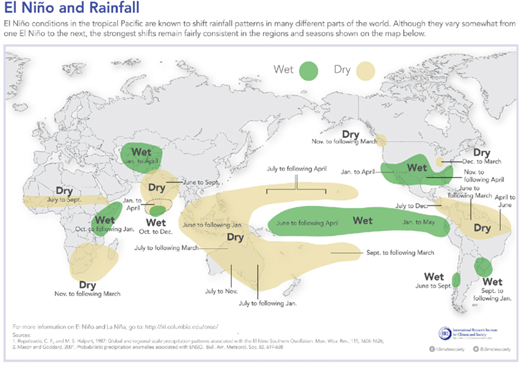
The challenge posed by shifting climatic conditions has emerged as one of the most critical issues of our time, carrying significant implications for human well-being. This research seeks to investigate climate events’ impact on individual health on a global scale. In order to achieve a comprehensive understanding of the intricate relationship between climate events and the health of global citizens, we analyze a diverse array of data sources, encompassing epidemiological studies, climate records, and health indicators. This study examines the direct and indirect effects of climate events, such as heat waves and extreme weather occurrences drawing upon authoritative epidemiological research. Furthermore, it explores the secondary repercussions of climate-induced disruptions, including alterations in the trend of cardiovascular diseases, which have been observed to heighten the overall health burden. The primary objective of this study is to advance our comprehension of the intricate interplay between climate change and global public health. The findings will underscore the pressing necessity to address climate-changing events as a paramount public health concern, emphasizing the importance of comprehensive, evidence-based policies that safeguard human well-being amidst an increasingly volatile climate. By combining empirical evidence with a broader understanding of social and environmental determinants of health, we aspire to assist decision-makers in implementing proactive measures to protect and promote the health of populations worldwide in the face of a changing climate.
Show more
Read Article PDF
Cite
Research Article Open Access
Evaluation of gefitinib based on indicators of targeted drugs
Article thumbnail
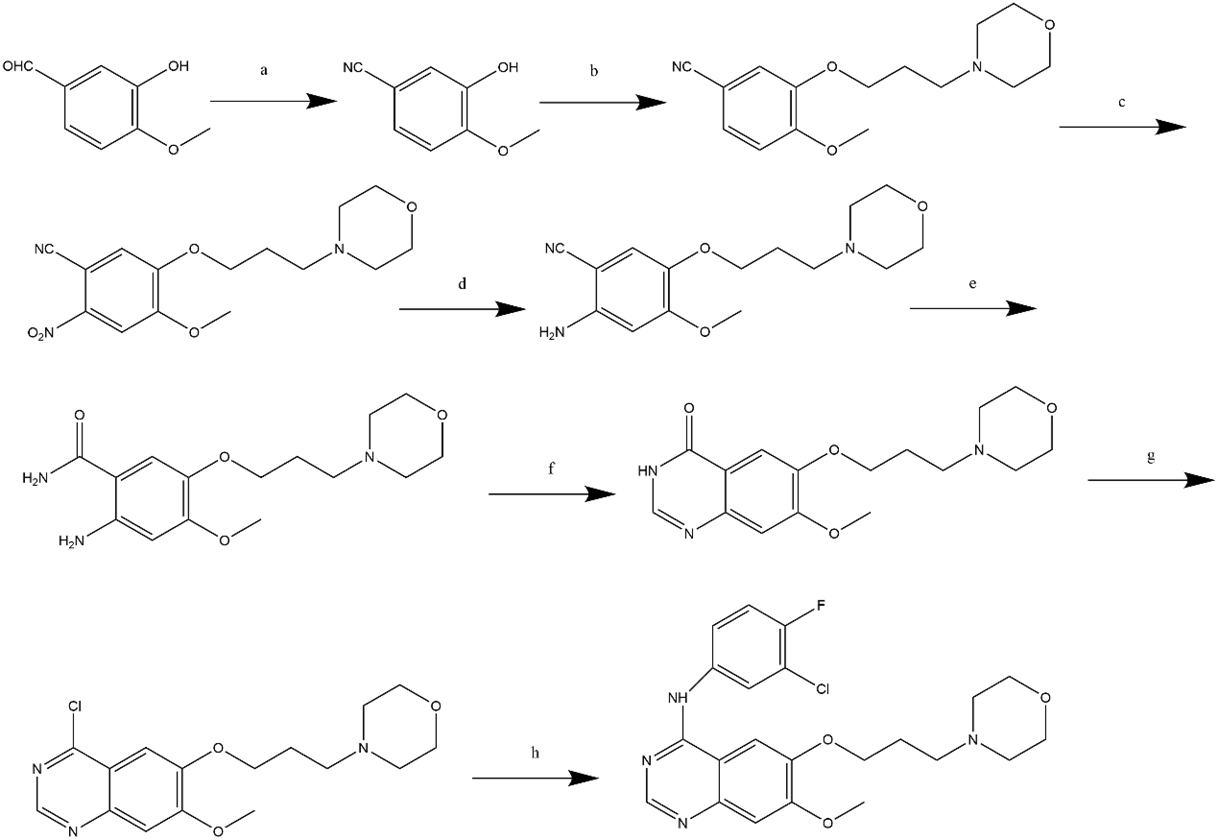
In the context where lung cancer poses a serious threat to human health, gefitinib, as a small molecule drug targeting the Epidermal Growth Factor Receptor (EGFR), has attracted widespread attention for its application in the treatment of Non-Small Cell Lung Cancer (NSCLC). Based on commonly utilized synthetic routes, an investigation into various resources led to the proposal of new suggestions for the synthesis of gefitinib. These suggestions have the potential to make the synthesis of gefitinib more efficient, straightforward, and compliant with the principles of green chemistry. Gefitinib shows therapeutic effects in certain specific cases of autoimmune diseases, but whether it can serve as a treatment drug still requires further clinical studies. Resistance to gefitinib is associated with genetic mutations. Such mutations weaken the binding ability of gefitinib to EGFR, ultimately leading to enhanced survival capabilities of mutated NSCLC cells. As treatment progresses, the emergence of resistance presents challenges in therapy. It is hoped that alternative means can be employed to improve treatment efficacy, prolong overall survival (OS), and mitigate the side effects associated with the use of gefitinib.
Show more
Read Article PDF
Cite
Research Article Open Access
The current clinical applications of invasive brain-computer interfaces
Article thumbnail
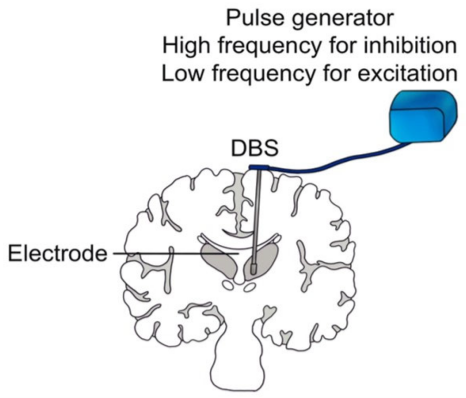
Brain-computer interface (BCI) technology is an emerging and swiftly expanding advanced technology. It links the brain to external devices, creates a brain-computer interface connection pathway, and ultimately realises information exchange and control. Meanwhile, as modern medicine continues to explore the composition and operation of the brain, the clinical applications of BCI have become more widespread. In particular, in the diagnosis, screening, treatment, and rehabilitation of neurological diseases and motor impairments, BCI is becoming more and more significant. This paper first explains the implementation and present state of BCI and provides a systematic evaluation of invasive BCIs, including the concepts of current invasive treatment techniques. The paper then review the current clinical applications of invasive BCIs technology, discuss its technical applications and benefits through case studies, and provide a comprehensive assessment of its risks. The prospects of invasive BCIs and their growing trend in the medical field are also reviewed.
Show more
Read Article PDF
Cite
Research Article Open Access
Analysis of the influence factors of coffee on human life
Article thumbnail
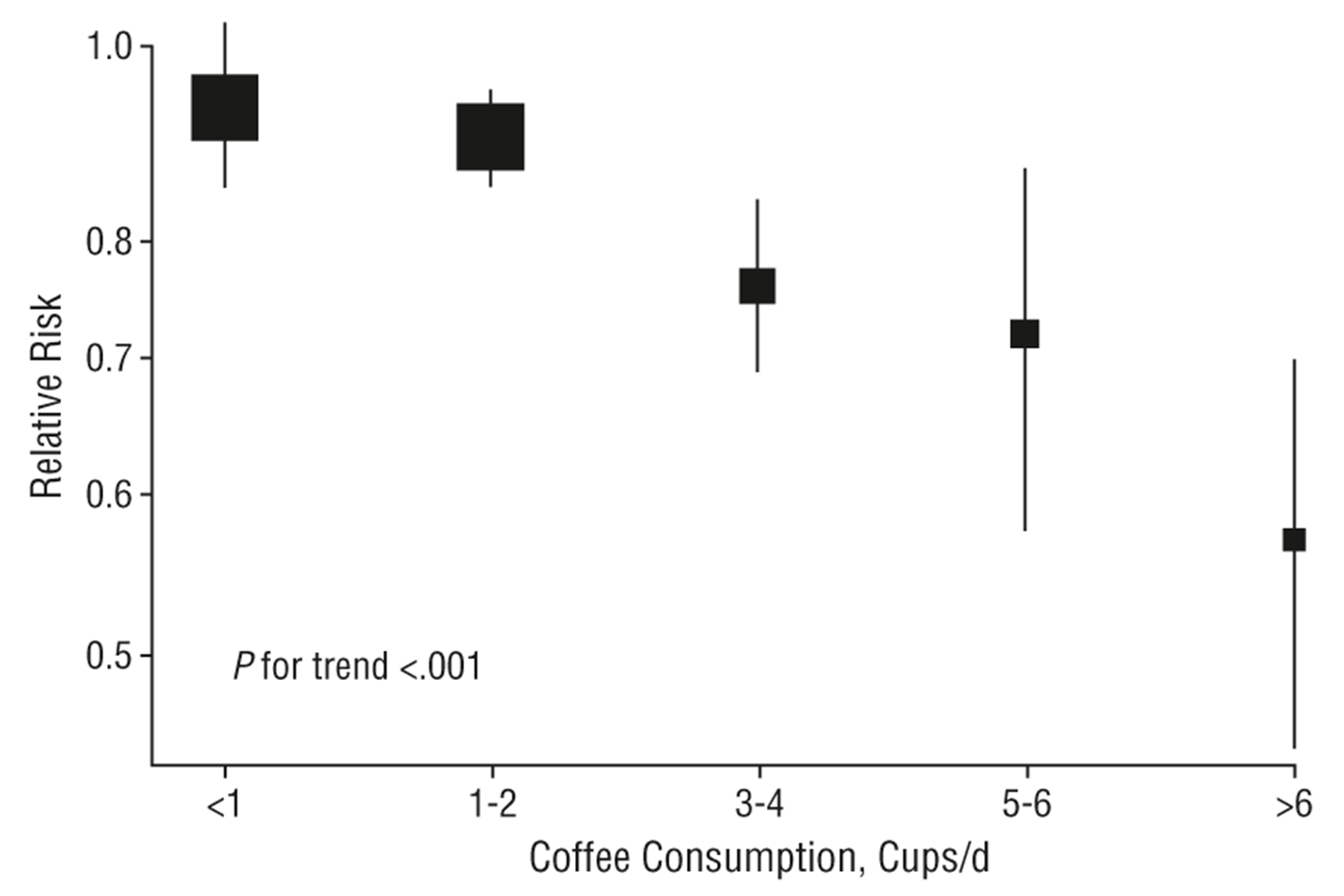
Coffee, as one of the world's most widely consumed beverages, has long held a prominent place in both daily enjoyment and scientific scrutiny. This study aims to comprehensively explore the multifaceted impact of coffee on the human body, with a particular emphasis on its influence on attention, the prevention of chronic diseases, and the potential associated risks. This article conducts a thorough analysis of coffee's primary constituents, encompassing caffeine and antioxidant compounds, and conducts an exhaustive review of pertinent research studies. The research findings unequivocally highlight that moderate coffee consumption can substantially enhance attention and significantly mitigate the risk of chronic diseases. However, it is imperative to acknowledge that excessive coffee intake may precipitate issues such as insomnia and gastrointestinal discomfort. Thus, this study underscores, with utmost clarity, the pivotal significance of temperate coffee consumption, laying a robust foundation for future investigations into the intricate interplay between coffee and human health.
Show more
Read Article PDF
Cite
Research Article Open Access
A tumor specific Bayesian framework reveals novel molecular subtypes in colorectal cancer
Article thumbnail
We applied a tumor-specific Bayesian framework to investigate the drivers and signaling mechanisms behind various subtypes of Colorectal Cancer (CRC), a highly aggressive cancer known to have diverse origins. Our approach aims to identify the cancer drivers that contribute to the development of colorectal cancer (CRC) within individual tumors. By inferring the target differentially expressed genes (DEGs) associated with these drivers, we effectively group patients into distinct molecular subtypes. We employed the tumor-specific causal inference (TCI) model to establish causal associations between somatic genome alterations (SGAs) and differentially expressed genes (DEGs) inside each colorectal cancer (CRC) tumor. Through the process of generalization, we have successfully discovered three distinct mechanism-oriented subtypes of colorectal cancer (CRC) by examining the most statistically significant SGAs and their corresponding target DEGs throughout the CRC cohort. Notably, this subtyping approach stands independently from the previously reported transcriptomic-based molecular subtyping of CRC. Additionally, our analysis successfully grouped patients based on significant prognostic outcomes, outperforming the previously reported subtyping. This research provides valuable insights into understanding the underlying drivers and molecular complexities associated with different CRC subtypes.
Show more
Read Article PDF
Cite
Research Article Open Access
Current materials used in artificial vascular tissue engineering
A commonly employed approach in the field of vascular tissue regeneration involves the utilization of artificial vascular tissue implants. These implants are designed to replicate the natural architecture of blood vessels through the use of artificial scaffolds, followed by cell growth induced onto these scaffolds, which are subsequently introduced into the body to replace damaged blood tissue. One of the primary obstacles encountered in implementing this technique pertains to the selection of materials that most nearly mimic the characteristics of naturally occurring tissue. Specifically, the aim is to develop an artificial device that closely emulates the biological functionality while eliciting minimal immunological reaction. A wide range of materials for constructing scaffolds has been extensively documented, encompassing natural, synthetic, and composite materials, as well as decellularized extracellular matrix. This study aims to conduct a comprehensive analysis of the existing literature in the field of vascular tissue engineering, utilizing methods of literature review and analysis. The examination will focus on evaluating the strengths, flaws, and availability of the available resources in this area of research.
Show more
Read Article PDF
Cite