Articles in this Volume

Research Article Open Access
A Comparative Study of Osimertinib and Pembrolizumab in the Treatment of Stage Ⅲ Non-small Cell Lung Cancer: Mechanism and Clinical Implications
Article thumbnail
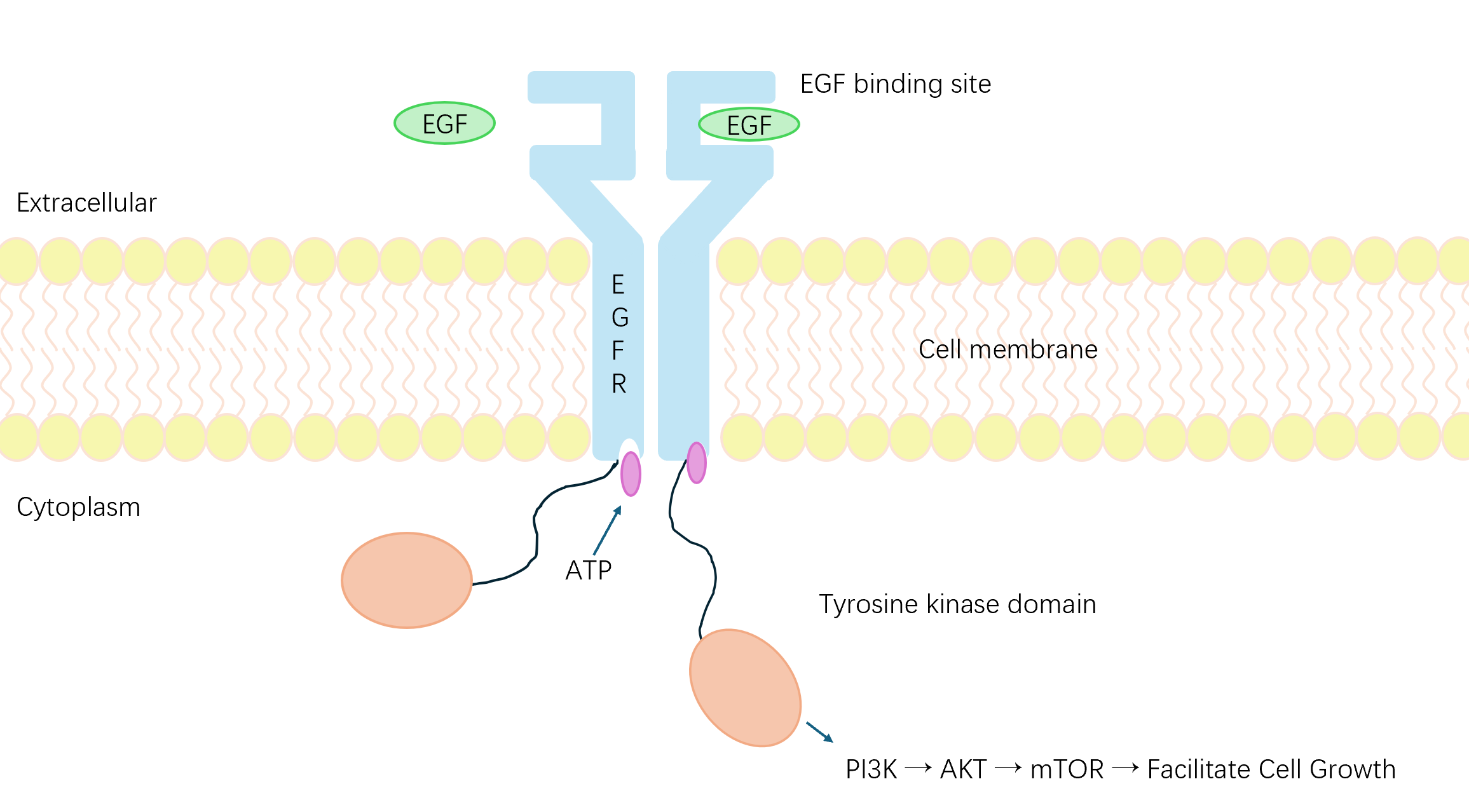
Lung cancer is known as one of the cancers that people are diagnosed with the most, so there are many treatments for lung cancer in recent years. This investigation focuses on the mechanisms and clinical implications of two medicines that are used to treat stage III non-small cell lung cancer, Osimertinib and Pembrolizumab. This comparative study shows the significant difference between the mechanisms of the two medicines, which Osimertinib is the representative of chemotherapy of cancer, and Pembrolizumab represents one example of immunotherapy. This work reveals some differences between the two methods of cancer treatment, the key mechanisms of the two kinds of medicine, and outlook the further investigation on its field.
Show more
Read Article PDF
Cite
Research Article Open Access
Strategies and Innovations in Oncolytic Virus Delivery
Oncolytic viruses (OVs) are a promising therapy in cancer treatment, thanks to their ability to selectively replicate in cancerous cells, induce apoptosis and trigger immune responses. Despite the therapeutic potential of OVs, the clinical application of oncolytic virotherapy (OVT) is very limited, primarily because of the challenges in achieving safe and efficient drug delivery. Conventional intratumoral (IT) injection can establish high local viral concentrations but is restricted to accessible tumors and suffers from inadequate IT distribution. Meanwhile, systemic delivery enables reach of metastatic and deep-seated malignancies but is hindered by immune clearance, nonspecific organ sequestration, and inefficient tumor targeting. This review paper summarizes the current OV delivery strategies, which are the clinical IT injection and preclinical systemic injection, and evaluates the advantages and limitations of these approaches. In addition, novel delivery strategies, such as platelet-membrane coatings and micro-/nanorobots, are discussed. Collectively, the continued advancement of OV delivery techniques is essential for promoting therapeutic efficacy and expanding clinical applicability of OVT.
Show more
Read Article PDF
Cite
Research Article Open Access
Recent Advances in the Relationship Between Hippocampus and Depression (2023-2025): Microscopic Mechanisms and Animal Models
Major Depressive Disorder (MDD) is a pressing global psychiatric burden, with its pathophysiology closely linked to structural and functional abnormalities in the hippocampus. Recent scientific advances (2023-2025) have transcended macroscopic observations to delineate with precision the underlying molecular and cellular mechanisms. This overview summarizes the latest progress, focusing on two critical areas: neuroinflammation-mediated hippocampal damage and dysregulated neurogenesis and synaptic signaling pathways. The multifaceted roles of all glial subpopulations—microglia, astrocytes, and oligodendrocytes—in orchestrating neuroinflammation and myelinopathy are highlighted. Furthermore, we elaborate on the identification of novel pathways like the FGFR1–Notch–BDNF axis and the inhibitory protein Numb in regulating adult hippocampal neurogenesis (AHN), alongside the critical role of microglial-mediated synaptic pruning. The author reviews sophisticated animal models, including aged and genetically modified mice, used to validate these mechanisms and emerging therapeutic modalities, such as Numb inhibition and enhanced ERK signaling for long-lasting ketamine effects. These findings offer a refined understanding of the hippocampal neurobiology underlying MDD and identify promising therapeutic candidates for next-generation antidepressants, including Numb inhibition and ERK pathway modulation.
Show more
Read Article PDF
Cite
Research Article Open Access
The Regulatory Mechanism of Trp53R172H Mutation in the Metastasis of Pancreatic Ductal Adenocarcinoma Cells
Pancreatic ductal adenocarcinoma (PDAC) is among the most lethal cancers. It is often diagnosed at a late stage, and is likely to spread, and has a 5-year survival rate of less than 7%. When it spreads, the prognosis deteriorates significantly. Fewer than 20% of patients are eligible for complete surgical resection. However, the reasons for its spread at the molecular level remain unknown. TP53 is the second most frequently mutated gene in PDAC, with alterations present in approximately 70% of cases, second only to KRAS. The Trp53R172H mutation, which is equivalent to human TP53R175H, is an important-gain-of-function-mutation. It cooperates with KrasG12D to promote PDAC progression and spread. This study aimed investigate out how Trp53R172H regulates the spread of PDAC cells and to define the underlying cellular and molecular mechanisms. To address these objectives, the study employed a systematically review of previous studies including in vitro cellular assays (including the establishment of gene-edited cell lines and Transwell assays for evaluating migratory and invasive capacities), in vivo animal models (via tumor xenotransplantation in nude mice), and molecular biology techniques (such as multi-omics analysis for screening differential molecules and chromatin immunoprecipitation (ChIP) for validating target gene binding). This study fills important gaps in the understanding of mutant p53 biology. It also provides new possible targets for clinical treatment of metastasis, and useful biomarkers that may enable early detection of metastatic risk.
Show more
Read Article PDF
Cite
Research Article Open Access
From Molecular Design to Clinical Application: A Comprehensive Reviewof Aldosterone Synthase Inhibitors
The aldosterone synthase inhibitors (ASIs) are a new approach to the treatment of hypertension and other disorders linked to aldosterone since they directly block the production of aldosterone in its enzyme synthesis site, CYP11B2. This upstream strategy presents potential benefits compared to the traditional mineralocorticoid receptor antagonists because it has the potential of inhibiting both the genomic and non-genomic effects of aldosterone. Recent developments have provided high-potency agents like lorundrostat and baxdrostat, that in spite of showing substantial blood pressure lowering, do not interfere with cortisol production, and thus can enhance the treatment window. ASIs have been shown to be effective in resistant hypertension and primary aldosteronism treatment based on clinical evidence. Besides, there is also an emergence of data that indicate possible cardio-renal protection advantages, such as a decrease in albuminuria. One of the most significant aspects of it still lacks a solution, such as the long-term safety evaluation, optimal patient selection, and integration into treatment algorithms. Further studies in the future should concentrate on organ-protective effectiveness in a long-term study, optimization of biomarkers-based therapy, and the implementation of combinations with other classes of drugs.
Show more
Read Article PDF
Cite
Research Article Open Access
The Preventive and Therapeutic Roles of Natural Medicines in the Management of Oral Cancer
Cancer is a group of diverse disorders that have a genetic impairment and an uncontrolled proliferation of cells. Behavioural risk factors are closely associated with oral malignancies and expose oral fibroblasts to physical trauma and chemical irritation. The most common course of treatment of the late-stage case, surgical resection, has a high likelihood of causing facial deformities and problems with the key functions of the body. Traditional therapeutic methods, such as surgery, radiotherapy and chemotherapy have also been limited by adverse reactions, inability to be targeted, recurrence of the disease, and high cost of treatment. These obstacles have prompted research on more natural anticancer agents which have multi-targeted and selective action mechanisms. This review discusses the preventive and therapeutic usefulness of natural compounds in the management of oral cancer with reference to two important compounds; anethole and naringenin. Anethole is selective in exerting cytotoxic effect in oral cancer cells, suppresses cell migration through the inhibition of the epithelial-mesenchymal transition (EMT), and also regulates the expression of key molecular signaling cascades, including cyclin D1, p53/p21, ERK, NF- 3 kg B and Wnt. Naringenin, in its turn, enjoys anti-fibrotic effects in oral submucous fibrosis, a precancerous condition, in downregulating fibrosis-related markers (alpha-SMA, collagen I, TGF-b) and reinstating the normal shape of fibroblasts. Collectively, these compounds emphasize the opportunities of natural bioactive compounds to supplement traditional therapies, decrease toxicity, and offer new prospects of drug development. They require testing by further clinical research to confirm their effectiveness and safety.

Show more
Read Article PDF
Cite
Research Article Open Access
Heterogeneity of Acquired Resistance Mechanisms to PD-1/PD-L1 Inhibitors in Non-Small Cell Lung Cancer and Clinical Strategies
Immune checkpoint inhibitors targeting PD-1/PD-L1 have changed the treatment of non-small cell lung cancer (NSCLC), but some patients who are effective at first will develop acquired drug resistance (AR), which has become a big problem. The causes of AR are very complicated, and some tumors change, for example, antigen presentation problems, IFN-γ signal pathway mutation, or carcinogenesis pathway activation. In addition, the tumor microenvironment (TME) is disturbing, which suppresses the immune system by infiltrating cells, metabolic reprogramming and physical barriers. This review systematically classifies these causes, and also evaluates some advanced diagnostic tools, such as single-cell omics, liquid biopsy and AI-based imaging omics. The article further analyzes the emerging clinical strategies, such as combined immunotherapy, targeted TME and biomarker-guided therapy. Combining mechanism understanding with diagnosis progress, a multi-step scheme can be formed, including clarifying the mechanism, stratifying patients and then carrying out targeted intervention. Current research shows that personalized combination therapy under the guidance of dynamic monitoring can reverse specific drug resistance types and improve the results. In order to overcome AR, it is necessary to transform the understanding of the mechanism into a clinically feasible strategy. The future work should focus on real-time tracking of tumor evolution and adaptive therapy, and at the same time solve the cost and ethical challenges.
Show more
Read Article PDF
Cite
Research Article Open Access
Lgr5⁺ Stem Cells and Potential Treatments for Hair Loss
Article thumbnail
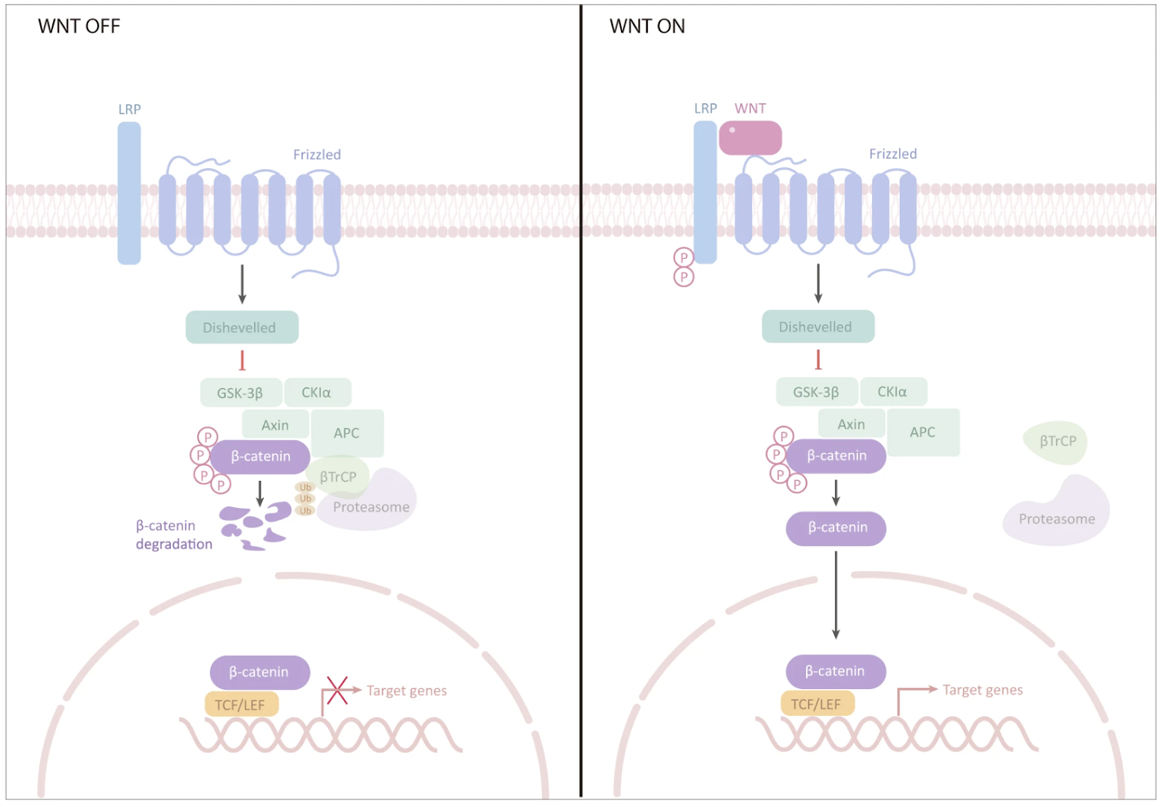
Hair follicle regeneration represents a very dynamic and tightly regulated biological process that requires the interaction of the stem cells and their specific niche. The Lgr5+ hair follicle stem cells (HFSCs) are considered to be among the most proliferative stem cell subpopulations that are vital in the initiation and homeostasis of the hair follicle cycling. This paper has explained in specifics the distribution, the biological functions and significance of Lgr5+ HFSCs as the stem cell markers. The key aspect of such a regulatory mechanism is the Wnt/β-catenin pathway, which maintains constant regulation of lineage differentiation, stem cell stimulation, and hair follicle developmental morphogenesis in developmental and wound healing processes. Wnt/β-catenin signaling functions are examined at major developmental events of organogenesis, cytodifferentiation, cyclical regeneration and hair follicle induction. This underscores its deep penetration of interactions with other signaling pathways, such as Shh, BMP, Notch, and EDA/EDAR/NF-κB. There are also the effects of the Wnt dysregulation. Lack of adequate signaling may result in inactivation of stem cells, follicular miniaturization, and eventual loss of hair. On the other hand, uncontrolled or overactivity may lead to the enhancement of the risk of abnormal growth of the epithelia, irregular follicle schedules and tumors associated with hair follicles. Lastly, new therapies to Wnt signaling and the Lgr5+ HFSC are addressed, such as peptide-based, small molecule modulators, physical therapy adjuncts, and stem cell-based regenerative therapies. All these findings highlight the importance of modulating Wnt/β-catenin with accuracy and precision to ensure that hair loss can be treated safely and effectively.
Show more
Read Article PDF
Cite
Research Article Open Access
A New Model Focused on Apoptosis-Induced Proliferation and Compensatory Proliferation of the General Process of Cell Apoptosis and Proliferation
Article thumbnail
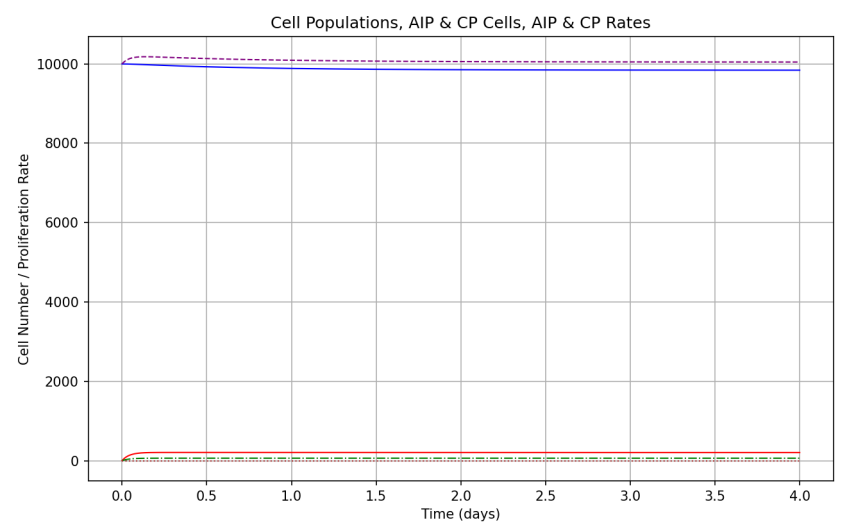
Cells are essential for every living organism, and the balance between cell apoptosis and cell proliferation is critical for cells to be healthy. Traditional apoptosis–proliferation models typically represent proliferation as a single aggregated term, failing to distinguish the biological mechanisms underlying regenerative growth. This study constructs an ordinary differential equation (ODE) model to explicitly separate two key regenerative mechanisms: apoptosis-induced proliferation (AIP) and compensatory proliferation (CP). AIP (Apoptosis-induced Proliferation) is triggered when apoptotic cells undergo death, secreting signals that stimulate the cell cycle in adjacent proliferative cells. CP (Compensatory Proliferation), by contrast, is triggered based on tissue size. AIP is more rapid but less stable than CP. Python was used to simulate three different conditions for a human thymus: healthy condition, injured condition, and tumor growth condition. The total cells, proliferative cells, apoptotic cells, and rate of AIP and CP were graphed. Results demonstrated that AIP induces more rapid cell growth but is unstable and may promote tumorigenesis, while CP is more stable in increasing cell numbers to reach tissue capacity. This model provides a quantitative tool for distinguishing pathological from physiological proliferation, exhibiting clear translational potential in cancer-targeted therapy and regenerative medicine, particularly in inhibiting AIP-driven malignant progression of tumors.
Show more
Read Article PDF
Cite