Articles in this Volume

Research Article Open Access
Application of Rehabilitation Interventions in Triangular Fibrocartilage Complex Injury
The triangular fibrocartilage complex (TFCC) is an important soft tissue stabilizing structure on the lateral side of the wrist, and its injury is one of the most common causes of lateral wrist pain. The mechanisms of TFCC injury include acute trauma, degenerative microtrauma, and penetrating injuries, and the clinical manifestations include lateral wrist pain, decreased grip strength, and limited forearm rotation, etc. The Palmer classification divides the lesions into traumatic type I and degenerative type II. Due to the uneven blood supply of the TFCC, the central fibrocartilage disc has no blood supply and a poor ability of spontaneous repair, and timely intervention is crucial for prognosis. For some cases of partial thickness tear, degenerative lesion, and chronic symptomatic cases, conservative rehabilitation is the first-line treatment, which mainly includes physical factor therapy, therapeutic exercise, and orthopedic braces, targeting pain and inflammation regulation, dynamic neuromuscular stabilization, and passive mechanical protection. The subtypes of injury, tissue blood supply, severity of symptoms, and functional requirements jointly determine the optimal intervention combination. This article reviews these three rehabilitation modes, compares the clinical effects, and points out the shortcomings in current conservative treatment.
Show more
Read Article PDF
Cite
Research Article Open Access
Analysis and Comparison of Detection and Quantification Methods for Influenza Virus
Article thumbnail
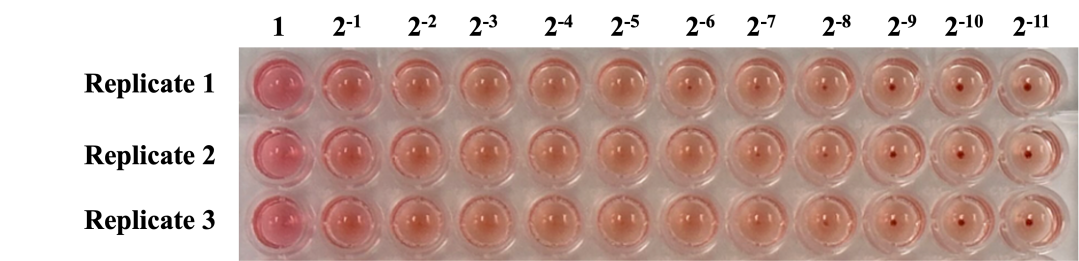
Influenza virus is a major pathogen of acute respiratory infectious diseases and poses a serious global public health threat. Rapid, accurate detection and quantification are essential for clinical diagnosis, epidemic control, and evaluation of therapeutic efficacy. This article compares four commonly used methods for influenza virus detection and quantification: hemagglutination assay (HA assay), 50% tissue culture infectious dose (TCID50) assay, plaque-forming unit (PFU) assay, and reverse transcription quantitative PCR (RT-qPCR), in terms of principle, quantitative capacity, sensitivity, detection time, and applicable scenarios. HA assay semi-quantifies the virus through hemagglutinin binding to red blood cells, it is simple and remains a classical method for WHO surveillance. TCID50 and PFU assays rely on cell culture and quantify infectious viral particles, they are core virological tools but require long turnaround times. RT-qPCR monitors amplification in real time and, with a standard curve, absolute quantification of viral RNA, offering the highest sensitivity and specificity as the gold standard for clinical molecular diagnosis. These methods represent three quantification levels: antigen-based (HA assay), infectivity-based (TCID50/PFU), and nucleic acid-based absolute quantification (RT-qPCR). They suit different scenarios, including virological research, vaccine development, and clinical diagnosis, providing a systematic reference for method selection.
Show more
Read Article PDF
Cite
Research Article Open Access
Dentin–Pulp Regeneration: A Requirement-Driven Comparison of Scaffold-Based, Scaffold-Free, and Hybrid Strategies
The failure of the dentin-pulp complex in many situations can lead to problems in tissue function, and therefore there is a need for regenerative strategies that can restore the structural and biological integrity of the tissue. In this review, the different approaches to dentin-pulp regeneration, including single-material natural scaffolds, single-material synthetic scaffolds, scaffold-free strategies, and hybrid/composite scaffolds, are evaluated. These approaches are then compared based on seven criteria for successful regeneration: biocompatibility, cellular activity, structural stability, controlled degradation, vascularization, tissue organization, and reproducibility/feasibility in a clinical setting. At present, the evidence points to the fact that no individual strategy is consistently better. Natural scaffolds, for example, support biological interactions but have variable characteristics and insufficient mechanical properties. Synthetic scaffolds offer greater control, predictability, and reproducibility, but lack some of the inherent bioactivity of natural scaffolds. Scaffold-free strategies maintain cell-to-cell interactions and ECM formation but are less stable and reproducible. These hybrid/composite scaffolds provide a potentially beneficial scaffold structure in which they can combine biological and physical characteristics. The added complexity of a hybrid/composite approach, however, adds even more challenges. Overall, the successful dentin-pulp regeneration may be more dependent on defining the optimal strategy to satisfy the needs of the dentin-pulp complex than on identifying the best and optimal material.
Show more
Read Article PDF
Cite
Research Article Open Access
CDK4/6 Inhibitor–Associated Drug-Induced Liver Injury: Clinical Characteristics, Management, and Rechallenge Outcomes—A Systematic Review
CDK4/6 inhibitor–associated drug-induced liver injury (DILI) is an uncommon but clinically important adverse event that may necessitate treatment interruption or discontinuation.This study aimed to systematically characterizethe clinical features, management, and rechallenge outcomes of CDK4/6 inhibitor–associated DILI through a pooled analysis of reported cases. Literature was retrieved from PubMed, Google Scholar, China National Knowledge Infrastructure (CNKI), Wanfang, VIP Chinese Science and Technology Journal Database, J-STAGE, and relevant conference sources, and patient characteristics, biochemical findings, treatment patterns, and outcomes were systematically extracted and analyzed. A total of 62 patients from 37 eligible studies were included. Ribociclib was the most frequently implicated agent (56.5%), followed by abemaciclib (32.3%). The median time to DILI onset was 57 days (IQR 29–74), and 98.2% of patients with available grading data developed grade 3 or higher liver injury. Despite the severity of reported cases, 90.3% of patients recovered. Among 39 patients with clearly reported rechallenge outcomes, recurrent DILI occurred in 41.0%. Recurrence was substantially more frequent after same-drug rechallenge than after switching to an alternative CDK4/6 inhibitor (81.3% vs. 13.0%, p<0.001), whereas no baseline clinical or biochemical variables were significantly associated with DILI recurrence in the exploratory analyses.Overall, CDK4/6 inhibitor–associated DILI can be clinically severe but is frequently reversible after drug withdrawal. Switching to an alternative CDK4/6 inhibitor after complete recovery may represent a potential management strategy in selected patients, although further prospective studies are required to evaluate the safety of this strategy.
Show more
Read Article PDF
Cite
Research Article Open Access
New Treatment Methods for Lateral Epicondylitis
Lateral epicondylitis, commonly known as tennis elbow, is a common overuse injury that causes pain and reduces function of the tendons around the elbow. This essay analyzes multiple studies comparing conventional treatments with three emerging treatments for tennis elbow, focusing on platelet-rich plasma (PRP), extracorporeal shock wave therapy (ESWT), and mesenchymal stem cell (MSC) therapy. For PRP therapy, research suggests that it can improve pain and elbow function within at least 52 weeks, but the scores decrease when the time reaches 104 weeks. The second therapy, ESWT, also improves pain and grip strength over a period of 6 months, but the results remain inconsistent among studies. While early research of mensenchymal stem cell (MSC) therapy reports enhancement in pain and function. However, current studies are generally limited by small sample sizes and insufficient long-term evidence. Overall, these three treatments may provide valuable alternatives for patients who seem to experience no effects under conventional care, but none of them can be considered universally effective.
Show more
Read Article PDF
Cite
Research Article Open Access
How Insufficient Sleep May Increase the Risk of Injury in Athletes
Sleep constitutes a fundamental component of athletic health and recovery. Nevertheless, demanding training schedules, academic commitments, competitive stress, frequent travel, and early-morning training sessions can make it difficult for athletes to obtain sufficient, high-quality sleep. While research has studied the links between sleep, performance, recovery, and injury risk, these topics are often discussed separately. As a result, it can be unclear how issues like trouble focusing, weaker muscles and bones, and slower muscle recovery combine to raise the chance of injury for athletes. This review addresses how insufficient sleep affects the risk of sports-related injuries through these combined effects. Ten studies from PubMed, using different types of research and reviews, were considered. The main findings show that athletes who do not get enough sleep tend to have worse attention and slower reactions, which may impair their safety during fast-paced play and increase their risk of concussion. Ongoing poor sleep is also linked with more frequent sports and muscle injuries, and sleep loss can slow down the body's recovery. Overall, the current evidence suggests that sleep should be included in injury prevention plans. Further controlled research is therefore required to clarify the causal mechanisms and evaluate sleep-targeted preventive interventions. However, because most studies show an association rather than a direct cause, more controlled research is still needed.
Show more
Read Article PDF
Cite