Articles in this Volume

Research Article Open Access
Comparative analysis of machine learning in diagnosing Parkinson's: Utilizing vocal characteristics
Article thumbnail
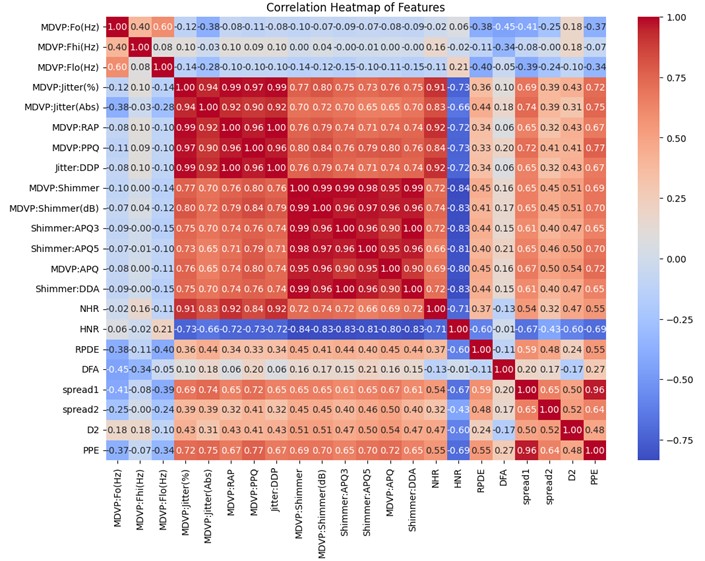
Parkinson’s disease is a neurodegenerative disorder that affects movement. Diagnosing Parkinson’s disease has traditionally involved clinical assessments by neurologists, and this practice still persists today to a significant extent. However, clinical assessments can be prone to subjectivity. In this study, a comprehensive predictive modeling approach was undertaken, employing nine dis¬tinct machine learning algorithms and six different model evaluation metrics to identify the best per¬forming algorithms. The findings reveal that, using only 12 vocal characteristics, KNeighborsClassfier (KNC), MLPClassifier (MLP), and XGBClassifier (XGBC) achieved the highest score of 0.87. This score is generally considered very good, indicating that the model is robust and possesses strong predictive power. This study marks a crucial initial step in leveraging machine learning techniques for more effective and potentially more accurate diagnosis of Parkinson’s disease based on patients’ vocal characteristics.
Show more
Read Article PDF
Cite
Research Article Open Access
Animal models: A powerful tool for the study of human diseases
The application of animal models is an alternative approach to studying human diseases and developing new drugs without direct trials on humans due to ethical and technical restrictions. The animal model is a widely used approach to study human metabolic diseases since humans and animals share a high similarity of biological and physiological features. With the development of genetic engineering technology, its application has evolved to simulate human diseases in animals as human wills. This paper summarized the literature concerning animal models to provide an overview of the course of animal models application, the selection criteria of animal species and the limitations of their application. It can be concluded that animal models, at present, should mainly serve as a medical tool to provide clinical recommendations for the treatment of human diseases and new drug development as there are nonnegligible biological, financial and ethical problems associated with the application of animal models, for instance, different intolerance of chemicals, low input conversion efficiency, and animal welfare considerations.
Show more
Read Article PDF
Cite
Research Article Open Access
Antimicrobial peptides-a promising novel antimicrobial agent
Antibiotic resistance has become one of the most critical public health problems in the 21st century, and infections caused by drug-resistant bacteria severely threaten human health. Otherwise, the development rate of conventional antibiotics has been unable to keep up with the speed at which bacteria develop resistance. Therefore, it is urgent to develop antimicrobial agents with novel mechanisms of action. Antimicrobial peptides (AMPs) are naturally occurring polypeptides with antibacterial activity, which have different mechanisms of action from existing antibiotics and thus have incomparable advantages over traditional antibiotics in treating infections caused by drug-resistant bacteria. Up to now, AMPs have been used in several clinical studies to destroy drug-resistant bacteria. The review introduces the basic properties of AMPs and their therapeutic mechanisms, summarizes some advances in preclinical studies and clinical applications, and analyzes the factors limiting their application in clinical treatment. In addition, some new strategies to overcome the shortcomings of AMPs in clinical applications are also introduced. Efficient and diverse synthesis technologies and optimization strategies keep coming to overcome the difficulties of clinical applications for AMPs, which may become an important weapon against drug-resistant bacterial infections in the future.
Show more
Read Article PDF
Cite
Research Article Open Access
Research progress in stem cell technology in Alzheimer's disease
Dementia in the elderly is a neurodegenerative disease that affects approximately 50-75% of people worldwide. Patients with Alzheimer’s will gradually experience a decline in intelligence and cognitive function, and Alzheimer’s is also the most common form of Alzheimer’s disease. At present, there have been many advances in the causes and treatment of Alzheimer’s disease, but they also face great difficulties. There is no effective treatment for senile dementia yet, and the main clinical drugs are to alleviate symptoms, delay onset, and reduce the impact of the disease on daily life. However, stem cell technology has made great progress this year, and stem cells have shown tremendous potential in the treatment of many diseases. Many studies have been conducted on the use of stem cells in the treatment of Alzheimer’s and Alzheimer’s disease, and some of the results have shown good therapeutic effects. The application of mesenchymal stem cells in the treatment of Alzheimer’s disease has been partially preclinical. However, most of the plans for treating dementia in the elderly through stem cell therapy are still in the experimental stage, and there is currently a lack of standardized treatment. There are potential risks and technical difficulties in promotion and implementation that need to be further explored. Further research is needed on the risks, processes, and technical difficulties of stem cell therapy. This article will systematically discuss the symptoms and pathogenesis of senile dementia, and analyze the current use of stem cells in the treatment of senile dementia. This article will contribute to people’s understanding of dementia in the elderly and promote related research.
Show more
Read Article PDF
Cite
Research Article Open Access
Delivery of differentiation therapy into solid tumor cancer stem-like cells to prevent metastasis and recurrence
Article thumbnail
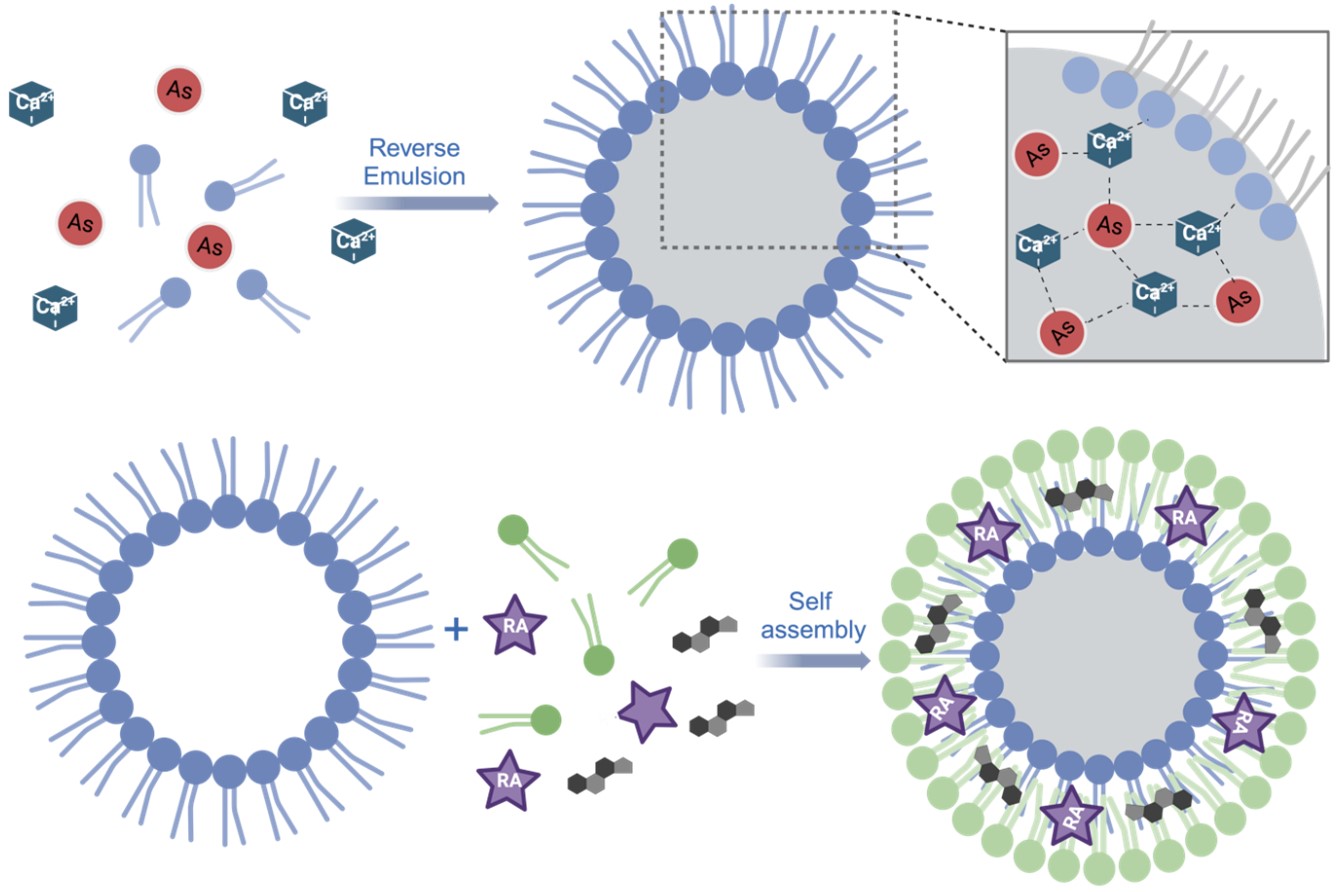
The concept of differentiation therapy offers an attracting explanation for plenty of clinical observations, such as relapse and metastasis. Its hallmark success has been in the treatment of acute promyelocytic leukaemia, a condition that is now highly curable through the combination of retinoic acid (RA) and arsenic. Recently, the finding of cancer stem-like cells (CSCs) triggers more attentions due to it’s unique high tumourigenicity and chemoresistance., which reside in hypoxic tumor regions, and are characterized by high tumourigenicity and chemoresistance. Considerable efforts have been made to develop promising anti-CSC strategies, including blocking surface biomarkers and inhibiting self-renewal signaling pathways. In this study, we engineered a liposomal delivery strategy that enables the codelivery of RA and arsenate, aiming to differentiate and potentiate CSCs. The core of the liposome is formed through coordination polymerization between arsenate and Calcium, while the membraneincorporates RA and helper lipids. We evaluated their cytotoxicity against cultured CSCs and their potential to differentiate CSCs into less malignant phenotypes.
Show more
Read Article PDF
Cite
Research Article Open Access
Contemporary strategies and challenges in the management of acute Leukemia: An in-depth analysis
Article thumbnail
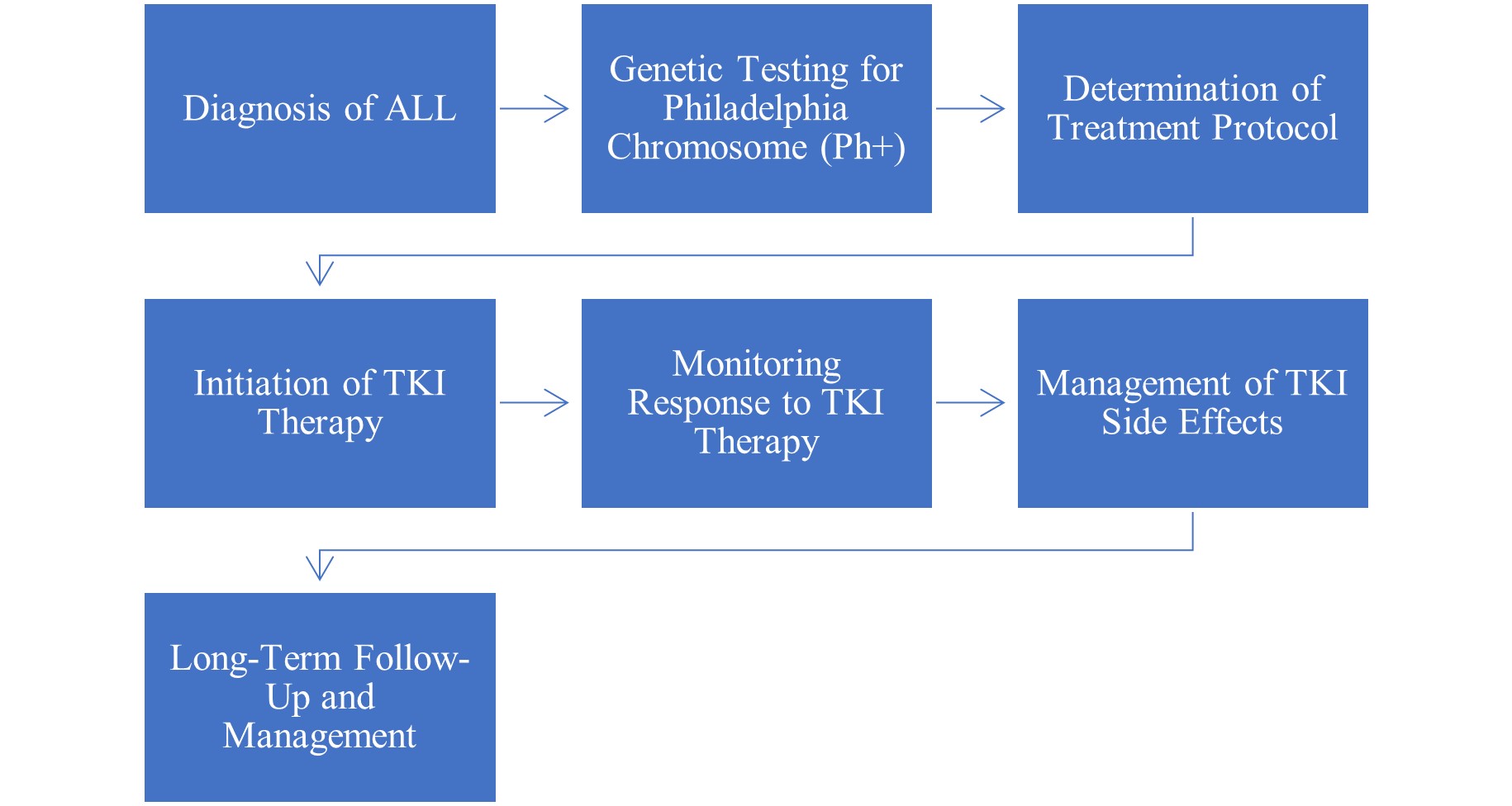
This article provides a detailed overview of the current state of acute leukemia treatment, encompassing chemotherapy, molecular-targeted therapy, bone marrow transplantation, and the evolving role of personalized medicine. It delves into standard chemotherapy regimens, their efficacy, and adverse effects, highlighting the challenges posed by resistance and relapses. The significant impact of molecular-targeted therapy, including tyrosine kinase inhibitors and FLT3 inhibitors, is examined, along with their integration with traditional chemotherapy. The article also discusses bone marrow transplantation, comparing allogeneic and autologous transplants and conditioning regimens. Personalized medicine, driven by genetic profiling and the emergence of novel therapies like CAR-T and immunomodulatory drugs, is explored for its potential to revolutionize treatment approaches. The global trends in acute leukemia, including epidemiological shifts and disparities in access to care, are analyzed, alongside the economic aspects influencing treatment accessibility and policy decisions. This comprehensive review underscores the multifaceted nature of acute leukemia treatment and the ongoing efforts to enhance patient outcomes while addressing global disparities in care.
Show more
Read Article PDF
Cite
Research Article Open Access
Application of fat substitutes in meat products
Article thumbnail
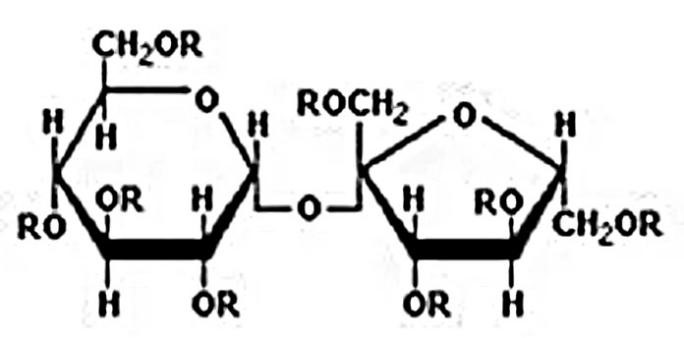
In the human body, fat plays a key role. In addition to providing the body with the necessary energy, it also has a decisive influence on the structure and overall quality of food. However, frequent intake of high-fat food will have adverse effects on human health. With the increase in people's health awareness, the production of low-fat or fat-free food is an important way to improve people's dietary habits and improve their health levels. Therefore, it is hoped that by adding fat substitutes, we can reduce the harmful effects of excessive fat intake on the human body while maintaining the original flavor of food as much as possible. In this paper, the research reviews the basic concepts and classification of fat substitutes and their application in meat products, the current status of their application in sausage, pork, beef, and other products is elaborated, and the problems of fat substitutes such as intolerance to high-temperature frying are analyzed, and countermeasures for the research and development of fat substitutes with high thermal stability, high water absorption, low calorie content, and nutritional safety are proposed, providing provide a theoretical basis for the further development and utilization of fat substitutes in meat products.
Show more
Read Article PDF
Cite
Research Article Open Access
Study on the potential construction of giant virus gene transfer vectors
Article thumbnail
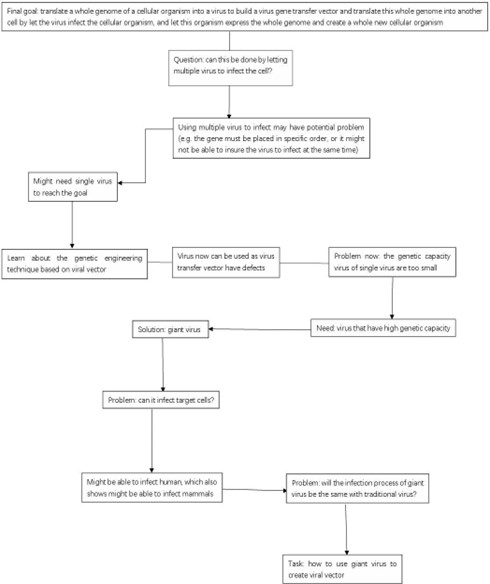
In 2003, a unique virus parasitic to amoebic protozoa was first isolated from water in a cooling tower in the United Kingdom . This virus possesses numerous characteristics that distinguish it from conventional viruses. Owing to its substantial genome capacity and physical volume, such viruses have been labeled as giant viruses. Due to their relatively recent discovery, limited existing research impedes the realization of their practical applications. Given their potential to carry extensive genetic information, this paper asserts the potential of these viruses to be fashioned into specialized virus transfer vectors and deliberates upon this topic. This study synthesizes domestic and international research on large viruses, analyzing their structural characteristics and host properties to explore the feasibility of constructing large virus transfer vectors. Large viruses possess traits not inherent in traditional viral vectors, such as the ability to survive in extremely short environments and accommodate vast genetic capacities. As a novel research domain in the past two decades, further exploration of the types, structural characteristics, and host properties of large viruses is necessary to ascertain their potential in constructing gene transfer vectors.
Show more
Read Article PDF
Cite
Research Article Open Access
Interrogating pathophysiological processes: A multidisciplinary perspective on medical biochemistry and molecular biology
Article thumbnail
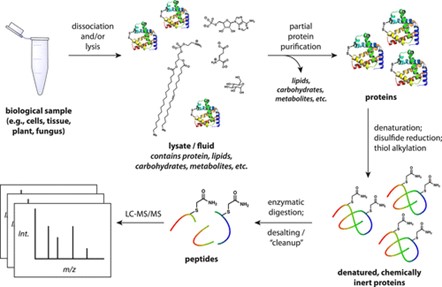
This study offers a comprehensive exploration into the intricate world of medical biochemistry and molecular biology, highlighting key molecular mechanisms and their implications in health and disease. Through quantitative analysis and mathematical modeling, we dissect various biochemical pathways, gene expression regulation, and protein functions, aiming to elucidate their roles in cellular processes and medical conditions. The investigation encompasses a multifaceted approach, integrating data from genomic studies, proteomics, and bioinformatics tools to offer insights into the molecular underpinnings of diseases, potentially paving the way for novel therapeutic strategies.
Show more
Read Article PDF
Cite
Research Article Open Access
Implantable neural recording devices for brain-machine interfaces: A review
Article thumbnail
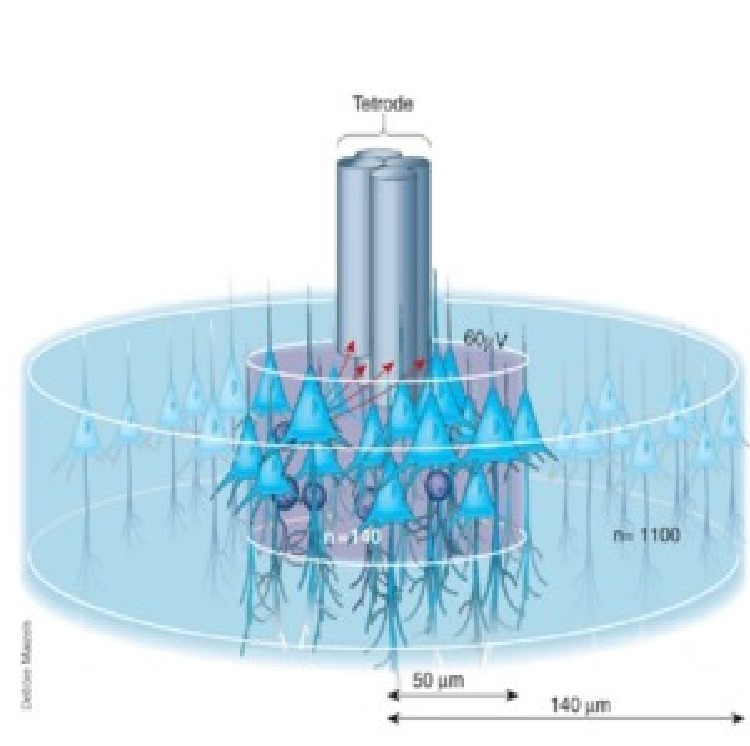
BMIs provide individuals with neuromuscular illness with communication and management options. The capture and analysis of signals are critical. BMIs enable people to engage with their environments, giving patients optimism. In this overview, we will discuss embedded sensors for collecting data from our bodies, such as chemical sensors and electrophysiological sensors. We will also discuss some general aspects of implantable sensors, such as why they are helpful and the various kinds of electrodes for BMI. We also discuss new methods for miniaturizing devices, such as microfabrication and microfluidics.
Show more
Read Article PDF
Cite